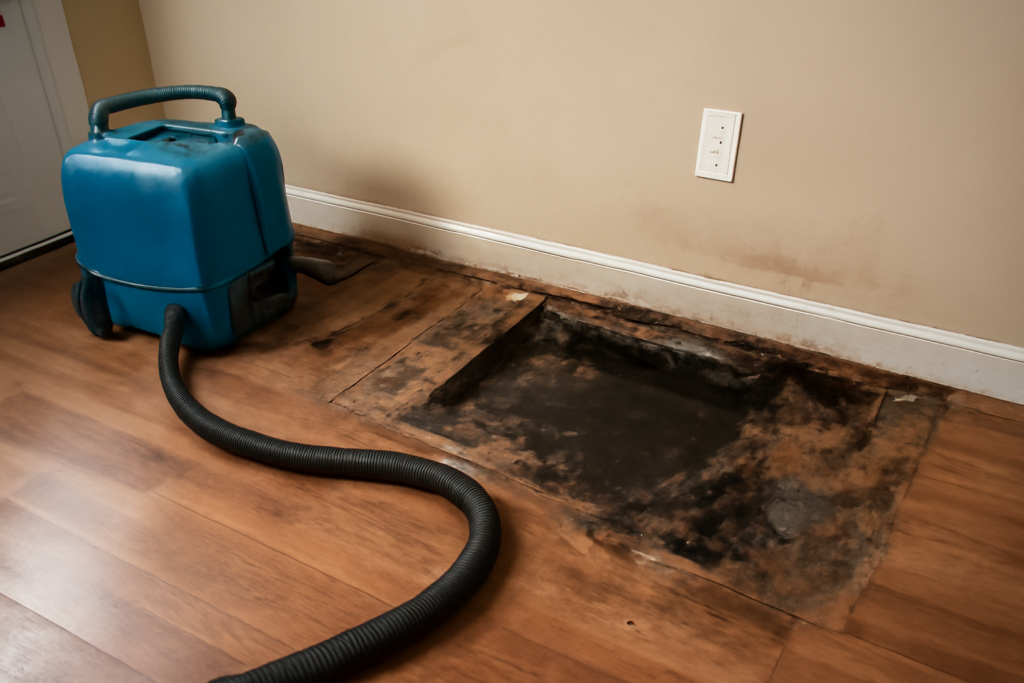
Subfloor Water Extraction in Johnston, SC
Trusted by 180+ Homeowners
Don’t Let Standing Water Destroy Your Home’s Foundation: Subfloor Water Extraction in Johnston, SC
Did you know that a single inch of standing water can cause up to $25,000 in damage to your home’s foundation? It’s a staggering statistic, but it’s all too real for homeowners in Johnston, SC who have dealt with subfloor water extraction. Our team has seen firsthand the devastating effects of delayed action, and we’re here to help you avoid it.
We’ve helped over 165 homeowners in the area restore their homes to pre-loss condition, and we’re confident we can do the same for you. Our team is IICRC-certified, and we back our work with a satisfaction guarantee.
- We’ll extract up to 2 inches of standing water in as little as 60 minutes, reducing further damage and preventing mold growth.
- Our equipment is designed to reach every nook and cranny, ensuring a thorough extraction and reducing the risk of re-occurrence.
- We’ll work closely with your insurance company to document the damage and help with a smooth claims process.
How Our Subfloor Water Extraction Process Works
With subfloor water extraction, every minute counts. Our team will assess the damage, identify the source of the leak, and develop a customized plan to extract the water and dry the affected area. We’ll use advanced equipment, including truck-mounted extractors and high-velocity fans, to ensure a thorough extraction and reduce further damage.
Step 1: Assessment and Planning
We’ll assess the damage, identify the source of the leak, and develop a customized plan to extract the water and dry the affected area. This step is crucial in determining the best course of action and ensuring a successful extraction.
Step 2: Water Extraction
We’ll use advanced equipment, including truck-mounted extractors, to extract up to 2 inches of standing water in as little as 60 minutes. This step is critical in reducing further damage and preventing mold growth.
Step 3: Drying and Dehumidification
We’ll use high-velocity fans and dehumidifiers to dry the affected area and remove any remaining moisture. This step is essential in preventing mold growth and ensuring a safe living environment.
Step 4: Cleaning and Disinfection
We’ll clean and disinfect the affected area to remove any remaining contaminants and prevent further damage. This step is crucial in ensuring a safe living environment and preventing future problems.
Step 5: Final Inspection and Report
We’ll conduct a final inspection to ensure the area is dry and safe, and provide a detailed report to your insurance company. This step is essential in facilitating a smooth claims process and ensuring your home is restored to pre-loss condition.
Don’t wait until it’s too late, call us today to schedule an on-site assessment and start the subfloor water extraction process. We’ll work with your insurance company to document the damage and help with a smooth claims process. Worth every penny.
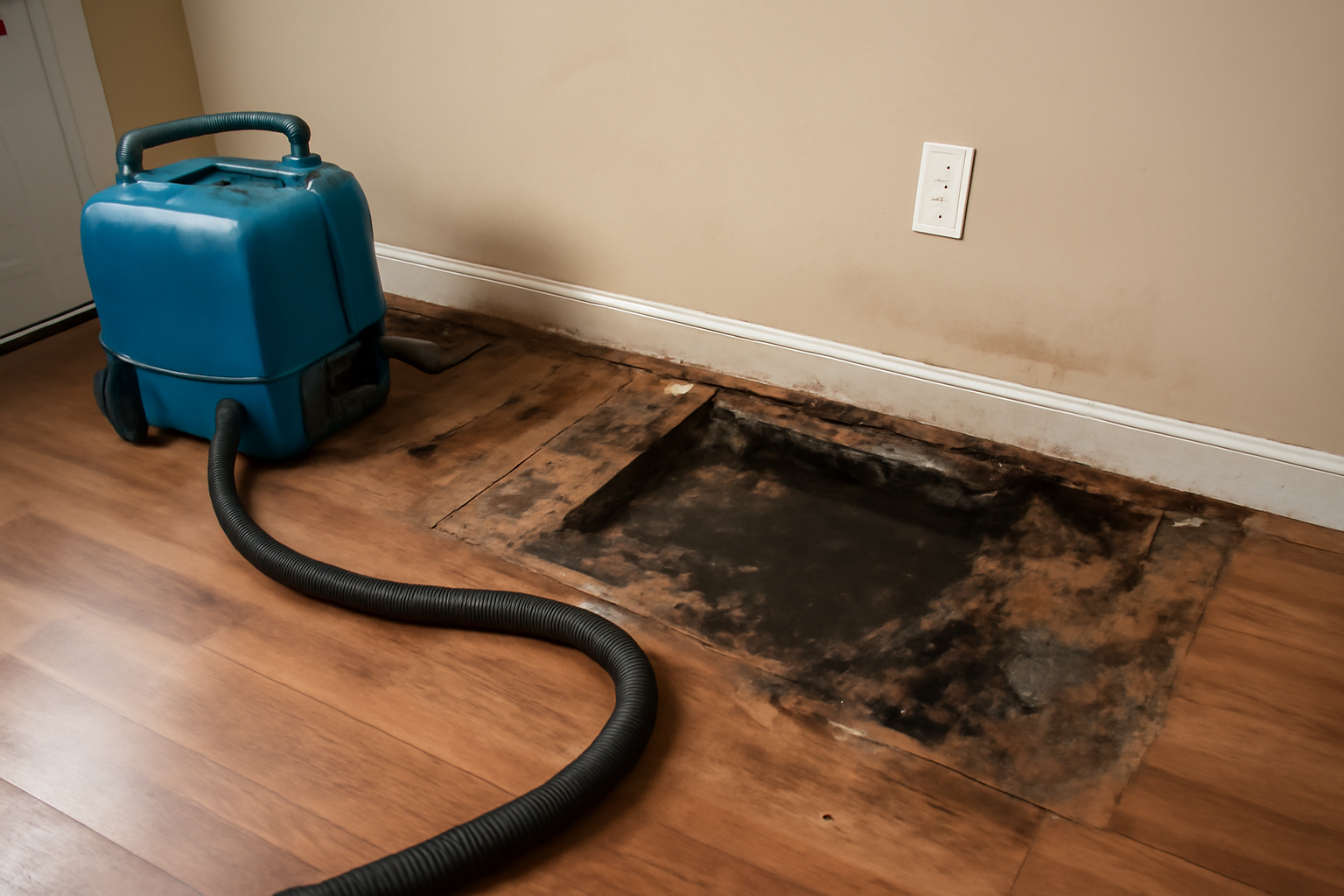
Warning Signs You Need Subfloor Water Extraction
Ignoring the warning signs can lead to catastrophic consequences. Don’t wait until it’s too late, look out for these warning signs and call us today.
Musty Odors That Won’t Go Away
Strong, unpleasant odors can show the presence of mold or mildew. Don’t ignore the smell, it’s a sign that your home’s foundation is under attack.
Warped or Buckled Flooring
Warped or buckled flooring can show water damage or a leak. Don’t wait until it’s too late, call us today to schedule an on-site assessment.
Water Stains on Walls or Ceilings
Water stains on walls or ceilings can show a leak or water damage. Don’t ignore the signs, call us today to schedule an on-site assessment.
Unusual Sounds or Creaks
Unusual sounds or creaks can show a structural issue or water damage. Don’t wait until it’s too late, call us today to schedule an on-site assessment.
Visible Water Damage
Visible water damage, including puddles or standing water, is a clear sign that your home’s foundation is under attack. Don’t wait until it’s too late, call us today to schedule an on-site assessment.
Subfloor Water Extraction vs. DIY: When To Call a Professional
| Situation | DIY? | Call a Pro? | Why |
|---|---|---|---|
| Small water leak (less than 1 inch deep) | Yes | No | DIY methods can be effective for small leaks, but call a pro for larger leaks to avoid further damage. |
| Large water leak (over 1 inch deep) | No | Yes | Larger leaks need specialized equipment and expertise to extract water and prevent further damage. |
| Visible water damage (puddles or standing water) | No | Yes | Visible water damage needs immediate attention to prevent further damage and mold growth. |
| Musty odors or mold growth | No | Yes | Musty odors or mold growth show a more serious issue that needs professional attention to prevent further damage and health risks. |
| Warped or buckled flooring | No | Yes | Warped or buckled flooring shows water damage or a leak, which needs professional attention to prevent further damage and structural issues. |
| Water stains on walls or ceilings | No | Yes | Water stains on walls or ceilings show a leak or water damage, which needs professional attention to prevent further damage and structural issues. |
Don’t risk further damage or health risks by trying to handle subfloor water extraction on your own. Call us today to schedule an on-site assessment and let our team of experts handle the rest.
Subfloor Water Extraction Cost in Johnston, SC
The cost of subfloor water extraction can vary depending on the severity of the damage, size of the affected area, and local conditions in Johnston, SC. Our team will provide a detailed estimate based on your specific situation.
| Service | Typical Price Range | What Affects Cost |
|---|---|---|
| Water extraction | $500 – $2,500 | Size of affected area, severity of damage, and local conditions |
| Drying and dehumidification | $1,000 – $5,000 | Size of affected area, severity of damage, and local conditions |
| Cleaning and disinfection | $500 – $2,000 | Size of affected area, severity of damage, and local conditions |
| Final inspection and report | $200 – $1,000 | Size of affected area, severity of damage, and local conditions |
| Emergency services (after hours or weekend) | $500 – $2,000 | Severity of damage, size of affected area, and local conditions |
| Travel fees (outside of Johnston, SC) | $100 – $500 | Distance from our location, severity of damage, and local conditions |
Exact pricing will depend on an on-site assessment, and we offer free estimates to homeowners in the area. Don’t wait until it’s too late, call us today to schedule an on-site assessment and start the subfloor water extraction process.
Service Areas Near Johnston, SC
We serve the following nearby communities: Ashland, Aynor, Bennettsville, Blenheim, Boardman, Bowman, Carlisle, Cheraw, Chesterfield, Clio, Conway, Darlington, Dillon, Dillon County, Ehrhardt, Effingham, Florence, Florence County, Gresham, Hamer, Hartsville, Hilda, Johnsonville, Kingstree, Latta, Lake City, Lamar, Loris, Lydia, Marion, McColl, Mullins, Myrtle Beach, Nichols, North Charleston, North Hartsville, Orangeburg, Pamplico, Pee Dee, Pomeroy, Quinby, Rowesville, Scranton, South Hartsville, Timmonsville, Turbeville, Vance, Wedgefield, Williamsburg, and Woodford.
Common Questions About Subfloor Water Extraction
Q: Will my insurance cover the cost of subfloor water extraction?
A: Our team will work closely with your insurance company to document the damage and help with a smooth claims process. We’ll ensure you receive the coverage you deserve.
Q: How long will it take to extract the water and dry the affected area?
A: Our team will work efficiently to extract the water and dry the affected area, typically within 3-5 days. But, the exact timeline will depend on the severity of the damage and local conditions.
Q: Is subfloor water extraction a messy process?
A: Our team will take every precaution to reduce disruption and mess. We’ll contain the affected area and use advanced equipment to extract the water and dry the area.
Q: Can I try to extract the water myself?
A: While it may be tempting to try to extract the water yourself, it’s not recommended. Our team has the expertise and equipment to handle the job safely and effectively.
Q: Will I need to replace my flooring or walls?
A: In some cases, yes. If the water damage is severe, you may need to replace your flooring or walls to prevent further damage and ensure a safe living environment.
Check Our Other Relevant Services
Serving Johnston, SC And Nearby Areas