Tignall, GA · Wilkes County
AC Unit Water Removal in Tignall, GAAC Leak Water Extraction & AC Leak Water Cleanup
AC Unit Water Removal in Tignall runs from emergency AC water removal and AC leak water cleanup to air conditioner restoration services.
Answered 24/7
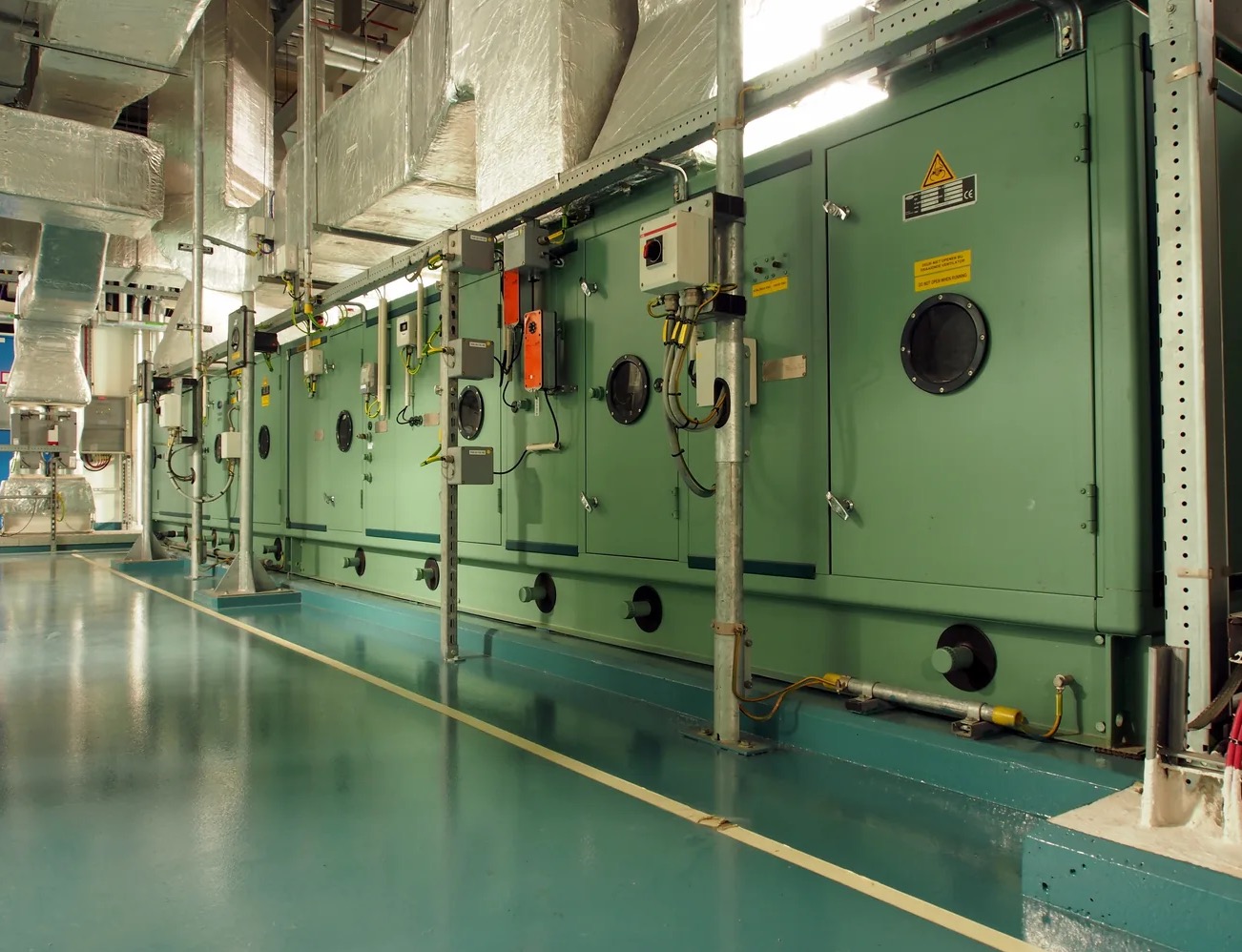
Trusted AC Unit Water Removal for Tignall Residents
AC Unit Water Removal in Tignall covers the whole leak, from removing standing water to drying wet materials and repairing drywall or trim afterward. Each step depends on how far the water traveled and how long it sat.
Property owners in Tignall can call (706) 810-5477 day or night when an air handler starts leaking. Service also covers Washington, Lincolnton and Sharon, with the same extraction, drain clearing and drying process for attic, closet and garage units in houses, condos and apartments.
Detailed AC Unit Water Removal Offerings for Tignall
AC Leak Water Extraction
Water is removed from every wet surface the leak reached, including closets and rooms below an attic air handler.
AC Leak Water Cleanup
Cleanup starts at the drain pan and works outward, removing pooled water and wet debris so drying can begin.
AC Leak Mold Prevention
Surfaces that stayed damp, such as framing under the air handler, are treated after drying so leftover spores have less to feed on.
Emergency AC Water Removal
Help is available day or night for leaks that start after hours, when water dripping from an attic unit cannot wait until morning.
AC Condensate Drain Clearing
The PVC drain line is cleared with suction or a flush, and the trap is checked so water stops backing up into the pan.
How to Know You Need AC Unit Water Removal in Tignall
AC Drain Pan Overflow
Water at the rim of the drain pan, or in the secondary pan, means the condensate line is blocked.
Unusual AC System Noises
Gurgling or dripping sounds from the unit can mean water is backing up in the drain line.
Reduced Cooling Efficiency
A clogged drain can trip a float switch or starve the coil of airflow, so the system runs longer and cools less.
Water on the Floor
A puddle around the air handler or furnace closet is the most direct sign of a leak.
How AC Unit Water Removal Works in Tignall
Step 1: AC Unit Flood Cleanup
Water is extracted quickly to keep it from soaking into insulation, framing and the ceiling below.
Step 2: Drain Line Diagnosis and Clearing
The drain line is inspected for clogs, sags or loose fittings and cleared so water drains outside.
Step 3: Structural and Unit Drying
Air movers and dehumidifiers run around the unit, with daily moisture checks on walls and floors.
Step 4: System Check and Cleanup
The pan is cleaned, the drain is tested with water and the area is left dry.
Common Causes of AC Unit Water Damage in Tignall
Improper AC Unit Installation
A unit that is not level, or a drain line without enough slope, lets water pool instead of draining.
Excess Outdoor Humidity
Very humid air makes the coil produce more water than a partly clogged drain can carry.
Damaged AC Drain Pan
Metal pans rust through and plastic pans crack with age, letting water drip straight through.
Age and Component Wear
Older units have worn fittings, brittle seals and corroded pans that start leaking together.
AC Unit Water Removal Services for All Properties in Tignall
Residential AC Unit Water Removal
In a home, an AC leak usually hits a hallway ceiling, a closet floor or the carpet near the air handler. Water removal and drying start there, followed by drywall repair if needed.
Commercial AC Unit Water Removal
In offices and stores, a leaking rooftop or ceiling unit drips onto desks, stock and floors and creates slip hazards. Work can be scheduled around business hours where possible.
Why DIY AC Water Removal Often Fails in Tignall
Pouring a cup of diluted vinegar into the drain line each season helps prevent algae clogs. Once water spreads past the unit into walls, ceilings or flooring, it is time to call local AC unit water removal pros for extraction and drying.
Factors Influencing AC Unit Water Removal Cost in Tignall
After-hours calls, the number of rooms affected, the drying time and any drywall or ceiling repairs all change the total for AC unit water removal in Tignall.
Documentation Needs
Detailed photos and moisture logs for an insurance claim add some time to the job.
Affected Component Count
The more of the system that got wet, such as the blower, panels and insulation, the more drying time is needed.
Emergency Service Timing
After-hours and holiday response can cost more than a scheduled weekday visit.
Does Insurance Cover AC Unit Water Removal?
Photos, moisture readings and a written scope from local AC unit water removal pros help support an insurance claim for AC water damage in Tignall. Keep copies of everything you send your adjuster, along with your own photos.
Why Choose Local Pros for AC Unit Water Removal in Tignall
Systematic Drain Line Clearing
The condensate line is cleared, not just the water mopped up, so the leak does not come right back.
Industry Drying Standards
Drying follows industry water damage standards, with moisture readings at each visit.
Drain Pan Extraction
Both the main pan and the safety pan are emptied and checked for damage.
Emergency AC Unit Water Removal Available 24/7 in Tignall
Water from an air handler spreads fast through drywall and carpet. Call (706) 810-5477 for emergency AC unit water removal in Tignall at any time of the day or night.
Call Now (706) 810-5477AC Unit Water Removal Throughout Tignall and Beyond
Other places served are listed below, each with its own page.
- AC Unit Water Removal in Washington
- AC Unit Water Removal in Lincolnton
- AC Unit Water Removal in Sharon
- AC Unit Water Removal in Crawfordville
- AC Unit Water Removal in McCormick
- AC Unit Water Removal in Appling
- AC Unit Water Removal in Warrenton
- AC Unit Water Removal in Dearing
- Emergency Damage Restoration in 30668
- Storm Damage Restoration in 30668
- Water Damage Restoration in 30668
- Water Extraction Service in 30668
- Water Leak Detection in 30668
- Water Removal Service in 30668
Frequently Asked Questions About AC Unit Water Removal in Tignall
What should I do while waiting for help with an AC leak?
Turn off the AC, place towels or a bucket under the drip, move belongings out of the way and take photos.
What clogs an AC condensate line?
Algae, sludge, dust and debris build up inside the line, especially over long cooling seasons, until water backs up into the pan.
Why does the drain pan need to be emptied?
A full pan overflows into ceilings and floors. Emptying and inspecting it stops the spill and shows whether the pan is cracked.
What happens if I ignore a drain pan overflow?
The leak keeps wetting the same materials, which can lead to rot, ceiling damage and microbial growth.
What are signs I need water removed from around my air conditioner?
Puddles near the unit, ceiling stains, a musty smell, a full drain pan or an AC that shuts off on its own.