Waynesboro, GA · Burke County
AC Unit Water Removal in Waynesboro, GAAC Leak Water Extraction & AC Leak Water Cleanup
AC Unit Water Removal in Waynesboro handles AC drain pan water extraction, AC leak water cleanup and AC leak mold prevention before the water spreads.
Answered 24/7
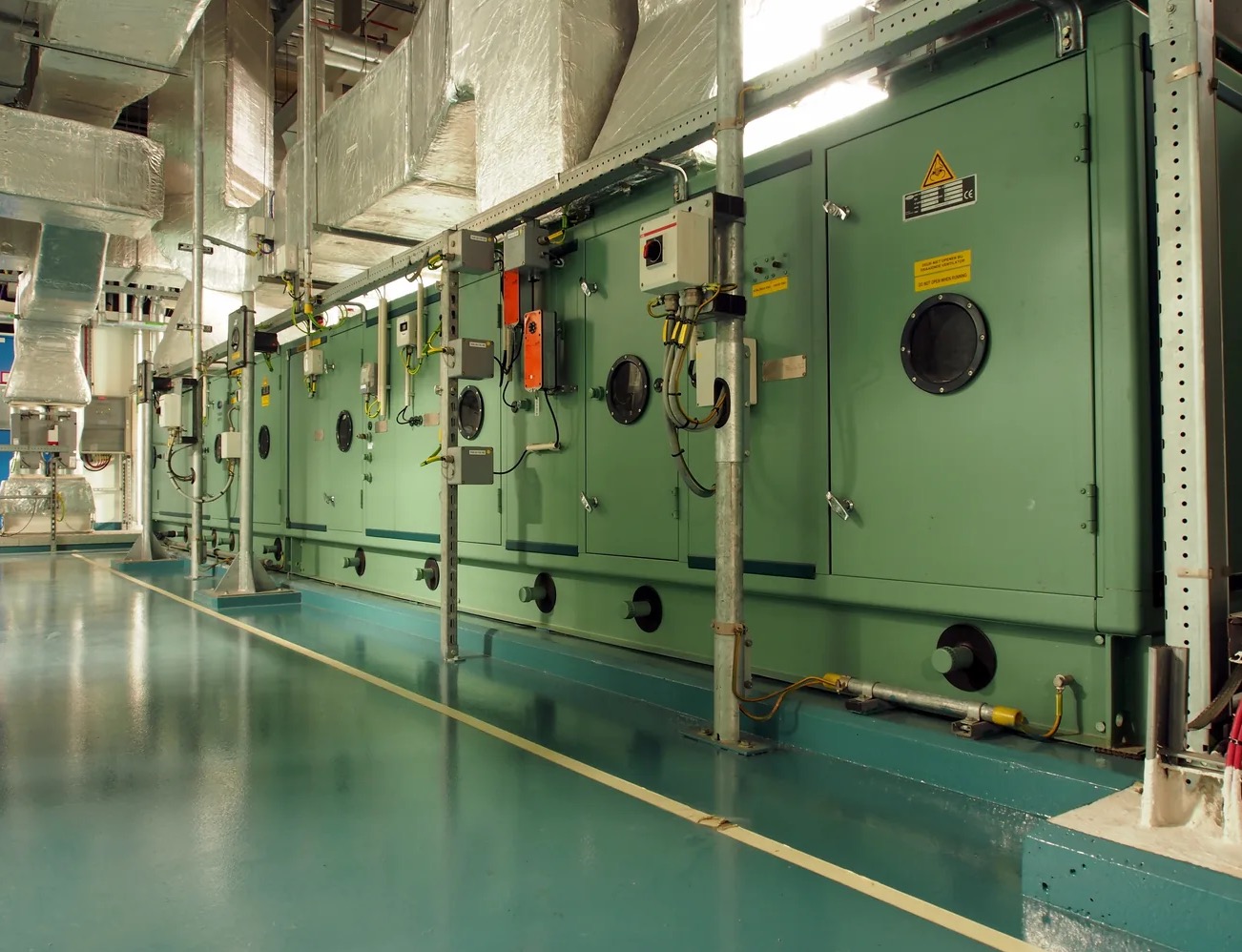
Expert AC Unit Water Removal for Waynesboro Homes
A leaking AC unit in Waynesboro can wet drywall, carpet and electrical parts within hours. Water that sits for more than a day or two also raises the risk of microbial growth on wood and paper-faced drywall.
A leaking AC in Waynesboro rarely fixes itself, and the water keeps soaking the same drywall and subfloor until the drain is cleared. Local water damage pros serve Waynesboro and nearby Vidette, Keysville and Hephzibah, with help available around the clock for leaks of any size.
The AC Unit Water Removal Process in Waynesboro, GA
AC Leak Water Extraction
Extraction is followed by drying with air movers and dehumidifiers, with daily readings to track progress.
AC Leak Water Cleanup
Standing water around the indoor unit is pumped and vacuumed up first, before it wicks into drywall, baseboards or the subfloor.
Emergency AC Water Removal
A sudden AC flood can soak a ceiling or floor in hours. Emergency removal gets the water out before it spreads into framing and insulation.
Air Conditioner Restoration Services
After drying, damaged drywall, trim or ceiling panels near the unit can be replaced and repainted.
AC Drain Pan Water Extraction
A soaked pan in an attic unit is a ceiling leak waiting to happen. Extracting it quickly protects the drywall underneath.
When to Call for AC Unit Water Removal in Waynesboro
Water Stains on Walls
Brown rings or peeling paint on the ceiling under an attic unit, or on walls near the closet, point to a slow leak.
High Indoor Humidity Levels
Rooms that feel clammy while the AC runs may mean water is not draining and is evaporating back into the air.
Reduced Cooling Efficiency
A clogged drain can trip a float switch or starve the coil of airflow, so the system runs longer and cools less.
Unusual AC System Noises
Gurgling or dripping sounds from the unit can mean water is backing up in the drain line.
How AC Unit Water Removal Works in Waynesboro
Step 1: AC Unit Flood Cleanup
Water is extracted quickly to keep it from soaking into insulation, framing and the ceiling below.
Step 2: Drain Line Diagnosis and Clearing
The drain line is inspected for clogs, sags or loose fittings and cleared so water drains outside.
Step 3: Structural and Unit Drying
Air movers and dehumidifiers run around the unit, with daily moisture checks on walls and floors.
Step 4: System Check and Cleanup
The pan is cleaned, the drain is tested with water and the area is left dry.
Frequent Sources of AC Water Damage
High Static Pressure in Ducts
Restricted ducts can pull water off the coil and blow it into the cabinet or ductwork.
Frozen Evaporator Coils Thawing
A coil that freezes from low airflow sheds a large amount of water at once when it thaws.
Disconnected Drain Line
A drain line knocked loose in the attic or closet empties condensate onto the ceiling or floor.
Excess Outdoor Humidity
Very humid air makes the coil produce more water than a partly clogged drain can carry.
Residential and Commercial AC Unit Water Removal in Waynesboro
Residential AC Unit Water Removal
In a home, an AC leak usually hits a hallway ceiling, a closet floor or the carpet near the air handler. Water removal and drying start there, followed by drywall repair if needed.
Commercial AC Unit Water Removal
In offices and stores, a leaking rooftop or ceiling unit drips onto desks, stock and floors and creates slip hazards. Work can be scheduled around business hours where possible.
Why DIY AC Water Removal Often Fails in Waynesboro
A wet vac on the condensate line outlet clears many simple clogs. If the ceiling below an attic unit is stained or sagging, stay out from under it and call (706) 810-5477 instead of poking holes in it.
Factors Influencing AC Unit Water Removal Cost in Waynesboro
An attic unit that leaked all night costs more to fix than a closet leak caught the same day. In Waynesboro, calling early is the simplest way to keep the bill down.
Affected Component Count
The more of the system that got wet, such as the blower, panels and insulation, the more drying time is needed.
Preventative Treatment Scope
Antimicrobial treatment is an optional step, priced by the size of the area treated.
Secondary Damage Presence
Wet ceilings, swollen baseboards or damp framing add removal and repair work to the job.
Does Insurance Cover AC Unit Water Removal?
Coverage for AC unit water removal varies from policy to policy. The pros document the damage and the drying, but your insurer decides what is covered and what is not, so ask early in the claim.
Advantages of Hiring Local Pros in Waynesboro for AC Unit Water Removal
Leak Source Identification
The pros trace the leak to its source, whether that is a clog, a cracked pan or a failed pump.
Preventative Microbial Treatment
Optional antimicrobial treatment can be applied to wood and drywall that stayed wet for days.
Detailed Moisture Documentation
Photos and moisture readings are recorded at each visit to support your insurance claim.
Emergency AC Unit Water Removal Available 24/7 in Waynesboro
Every hour of standing water means more drying later and more materials to replace. Call (706) 810-5477 for AC unit water removal in Waynesboro as soon as you see the leak.
Call Now (706) 810-5477AC Unit Water Removal Available in Waynesboro and Surrounding Towns
Help with AC unit water removal is also available in communities near Waynesboro, including Vidette, Keysville and Hephzibah, for leaking air handlers and overflowing drain pans.
- AC Unit Water Removal in Vidette
- AC Unit Water Removal in Keysville
- AC Unit Water Removal in Hephzibah
- AC Unit Water Removal in Sardis
- AC Unit Water Removal in Girard
- AC Unit Water Removal in Blythe
- AC Unit Water Removal in Jackson
- AC Unit Water Removal in Midville
- Emergency Damage Restoration in 30830
- Storm Damage Restoration in 30830
- Water Damage Restoration in 30830
- Water Extraction Service in 30830
- Water Leak Detection in 30830
- Water Removal Service in 30830
Frequently Asked Questions About AC Unit Water Removal in Waynesboro
Does homeowners insurance cover water damage from an HVAC unit?
Sudden leaks are often covered, but slow leaks and the unit itself usually are not. Check your policy.
What does emergency AC water removal include?
Shutting off the unit, extracting standing water, clearing the drain and starting drying equipment, at any hour.
How does antimicrobial treatment help after an AC leak?
Once surfaces are dry, an antimicrobial can be applied to wood and drywall that stayed wet to slow microbial growth.
What should I do while waiting for help with an AC leak?
Turn off the AC, place towels or a bucket under the drip, move belongings out of the way and take photos.
What clogs an AC condensate line?
Algae, sludge, dust and debris build up inside the line, especially over long cooling seasons, until water backs up into the pan.