Blythe, GA · Richmond County
Antimicrobial Treatment Services in Blythe, GACrawl Space Antimicrobial Treatment & Basement Mold Prevention Treatment
After a leak, Antimicrobial Treatment Services in Blythe cover bathroom mold treatment, kitchen surface disinfection and post flood disinfection services.
Answered 24/7
Antimicrobial Treatment Services in Blythe, Georgia
A leak that sat behind a wall or under a floor in Blythe often leaves stained, musty framing once the drywall comes off. That wood can usually stay if it is dried, cleaned and treated.
Homes and businesses in Blythe and nearby Keysville, Hephzibah and Harlem deal with the same water problems: plumbing leaks, appliance failures and sewer backups. Help with antimicrobial treatment services is applied after those leaks are cleaned up and the area is dry.
Specialized Antimicrobial Treatment Services Available in Blythe
Crawl Space Antimicrobial Treatment
Treatment in a crawl space lasts longer with the moisture source fixed and a vapor barrier in good shape on the ground.
Basement Mold Prevention Treatment
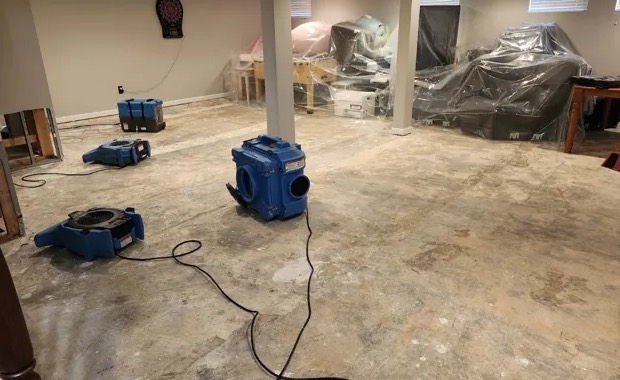
Wet drywall and carpet are removed from the basement, the space is dried, and remaining wood and concrete are treated before rebuilding.
HVAC Duct Sanitization
After water reaches ductwork, from a flood or a leaking air handler, accessible duct surfaces are cleaned and treated, and badly soiled flexible duct may be replaced.
Mold Remediation Antimicrobial Treatment
After damaged materials are removed and the area is dried, an EPA-registered antimicrobial is applied to framing and subfloor to slow regrowth on surfaces that stay in place.
Emergency Sewage Sanitization
Sewage and other contaminated water are cleaned up with protective gear, contaminated porous materials are removed, and hard surfaces are disinfected.
Symptoms That Warrant Antimicrobial Treatment Services in Blythe
Stains Found During Repairs
Dark or damp framing found when opening a wall or floor is a common reason to dry and treat before closing it up.
Recurring Mold After Cleaning
Spots that come back after cleaning usually mean the material is still wet inside or the leak was never fixed.
Wet Materials Left for Days
Drywall, carpet or framing that stayed wet for more than a couple of days is a likely place for microbial growth.
Persistent Musty or Mildew Odors
A musty or sour smell that lingers after a leak was cleaned up suggests wet or contaminated materials are still in the room.
How Antimicrobial Treatment Services Work in Blythe
Step 1: Site Evaluation
The pros look at how long materials were wet, the type of water involved and where moisture remains.
Step 2: HEPA Vacuuming and Dry Cleaning
Loose debris and dust are removed with HEPA vacuums before any liquid product is applied.
Step 3: Wet Cleaning With Disinfectant Solutions
Surfaces are scrubbed or wiped with a disinfectant suited to the material and the contamination.
Step 4: Preventative Treatment and Documentation
A final antimicrobial coat is applied where needed, and photos and product details are recorded.
Common Causes Requiring Antimicrobial Treatment in Blythe
Roof Leaks and Poor Ventilation
Roof leaks let water into attics and ceilings, where poor airflow keeps insulation and wood damp for days.
High Indoor Humidity Levels
Constant high humidity keeps materials damp enough for mold, even without a single large leak.
Sewage Backups and Toilet Overflows
Sewage carries bacteria and other contaminants that require disinfection of every surface it touches.
Inadequate Drying After Water Damage
Water damage that was mopped up but never fully dried leaves moisture inside walls and under floors.
Antimicrobial Treatment Services for All Property Types in Blythe
Residential Antimicrobial Treatment Services
In houses, the crawl space and the cabinets under sinks are common hidden spots. They are dried and treated even if the rooms above look fine after a leak.
Commercial Antimicrobial Treatment Services
In larger buildings, ductwork and ceiling cavities can spread odor from one wet area to many rooms. Those spaces are checked and treated as part of the job.
Antimicrobial Treatment Services vs. DIY: When to Call the Pros
Never clean up sewage without gloves, eye protection and boots. For any backup larger than a small spill, it is safer to call local antimicrobial treatment pros.
Factors Affecting Antimicrobial Treatment Services Pricing in Blythe
Treating soon after drying in Blythe keeps the job smaller. Waiting can mean more stained framing to clean and more odor to deal with later.
Material and Agent Selection
The product chosen depends on the surface and the type of contamination, which affects cost.
Access and Containment
Crawl spaces, attics and ductwork take longer to reach and may need containment.
Contamination Severity
Sewage and floodwater need more removal and disinfection than a clean water leak, which raises the cost.
Does Insurance Cover Antimicrobial Treatment Services?
Many homeowner policies cover cleanup after sudden water damage, including disinfection, but limit or exclude problems caused by slow leaks or poor upkeep. Read your policy and ask your adjuster early.
Benefits of Local Pros for Antimicrobial Treatment Services in Blythe
Industry Cleaning Standards
Cleaning and treatment follow industry water damage standards, applied only after the area is dry.
24/7 Emergency Response
Help is available day or night for sewage backups and other contaminated water.
Post-Treatment Checks
Moisture readings and a final walk-through confirm the area is dry and clean before rebuilding.
24/7 Antimicrobial Treatment Services Response in Blythe, GA
The sooner wet, dirty surfaces are cleaned and treated, the less material needs replacing. Call (706) 810-5477 for antimicrobial treatment services in Blythe.
Call Now (706) 810-5477Antimicrobial Treatment Services Near Blythe: Areas Served
Help with antimicrobial treatment services is also available in communities near Blythe, including Keysville, Hephzibah and Harlem, after leaks, floods and sewage backups.
- Antimicrobial Treatment Services in Keysville
- Antimicrobial Treatment Services in Hephzibah
- Antimicrobial Treatment Services in Harlem
- Antimicrobial Treatment Services in Grovetown
- Antimicrobial Treatment Services in Wrens
- Antimicrobial Treatment Services in Dearing
- Antimicrobial Treatment Services in Augusta
- Antimicrobial Treatment Services in Stapleton
- Emergency Damage Restoration in 30805
- Storm Damage Restoration in 30805
- Water Damage Restoration in 30805
- Water Extraction Service in 30805
- Water Leak Detection in 30805
- Water Removal Service in 30805
Frequently Asked Questions About Antimicrobial Treatment Services
Where is crawl space antimicrobial treatment usually needed?
On joists, subfloor and sill plates that got wet from a plumbing leak or seepage, after the space is dried and debris removed.
Does antimicrobial treatment replace drying?
No. Treatment only works on clean, dry surfaces. Water must be removed and materials dried before any product is applied.
Why is emergency sewage sanitization different from regular cleaning?
Sewage and contaminated water carry bacteria and other contaminants, so they need protective gear, containment and disinfection, not just drying.
How soon after a flood should post flood disinfection begin?
Right after the water is removed and soaked materials are taken out. Surfaces are cleaned first, then disinfected and dried.
Is HVAC duct sanitization useful after water damage?
It can be, if water or damp air reached the ducts. Ducts are cleaned first, and the moisture source is fixed before any treatment.