Washington, GA · Wilkes County
Antimicrobial Treatment Services in Washington, GACrawl Space Antimicrobial Treatment & Post Flood Disinfection Services
After a leak, Antimicrobial Treatment Services in Washington cover bathroom mold treatment, kitchen surface disinfection and post flood disinfection services.
Answered 24/7
Antimicrobial Treatment Services in Washington, Georgia
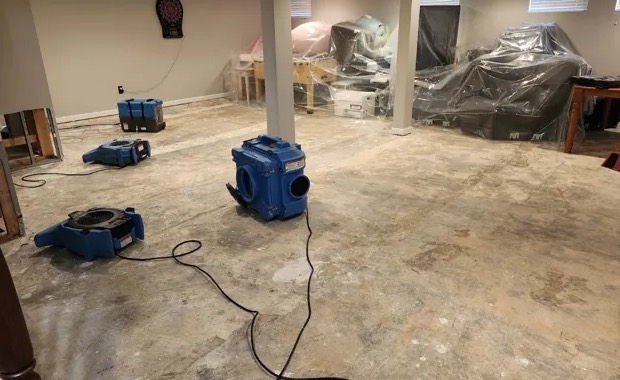
Homes in Washington that went through a flood or sewage backup need surfaces disinfected before rooms are rebuilt and used again. That includes lower walls, floors, cabinets and any framing left in place.
A sewage backup in Washington needs cleanup and disinfection before the room can be used again. Local water damage pros serve Washington and nearby Tignall, Sharon and Lincolnton, with emergency help for contaminated water.
Specialized Antimicrobial Treatment Services Available in Washington
Crawl Space Antimicrobial Treatment
Wet insulation and debris are removed from the crawl space first, then wood framing is cleaned and coated where moisture sat.
Post Flood Disinfection Services
Floodwater carries soil, bacteria and debris. After extraction, floors, walls and cabinets it touched are cleaned and then treated with a disinfectant.
HVAC Duct Sanitization
Registers, plenums and reachable duct runs are cleaned and treated so the system does not spread odor through the house.
Mold Remediation Antimicrobial Treatment
Remaining studs, joists and sheathing are cleaned, then coated with an antimicrobial so leftover spores have a harder time taking hold again.
Emergency Sewage Sanitization
Areas touched by sewage are contained so contamination is not tracked into clean rooms, then cleaned and disinfected step by step.
Warning Signs You Need Antimicrobial Treatment Services
Wet Materials Left for Days
Drywall, carpet or framing that stayed wet for more than a couple of days is a likely place for microbial growth.
Persistent Musty or Mildew Odors
A musty or sour smell that lingers after a leak was cleaned up suggests wet or contaminated materials are still in the room.
Visible Mold on Surfaces
Dark spots on drywall, wood or grout after a leak mean the surface stayed wet long enough to need cleaning and treatment.
Discoloration or Staining on Walls
Yellow or brown stains on walls and ceilings point to water that soaked in and may have carried dirt or contamination.
How Antimicrobial Treatment Services Work in Washington
Step 1: Emergency Response and Hazard Containment
For sewage or floodwater, the area is closed off and power to wet rooms is checked for safety.
Step 2: Affected Material Removal and Disposal
Contaminated carpet, pad and drywall are bagged and carried out, following local rules for disposing of sewage-soaked materials.
Step 3: Antimicrobial Fogging and Coating
Remaining framing and hard surfaces are treated by spraying, wiping or fogging, depending on the space.
Step 4: Final Sanitization and Walk-Through
Surfaces are wiped down, the area is checked, and the treatment record is shared with you.
Factors Contributing to Surface Sanitizing Issues in Washington
Condensation on Cold Surfaces
Warm, humid air condensing on cold pipes, ducts and windows keeps nearby surfaces wet.
Plumbing Leaks and Pipe Bursts
Leaking supply lines and burst pipes soak walls and floors, and materials that stay wet can start to grow microbes.
Poorly Maintained HVAC Systems
A clogged condensate drain or dirty coil can keep the air handler and nearby ductwork wet.
High Indoor Humidity Levels
Constant high humidity keeps materials damp enough for mold, even without a single large leak.
Both Residential & Commercial Antimicrobial Treatment Services in Washington
Residential Antimicrobial Treatment Services
In houses, the crawl space and the cabinets under sinks are common hidden spots. They are dried and treated even if the rooms above look fine after a leak.
Commercial Antimicrobial Treatment Services
In larger buildings, ductwork and ceiling cavities can spread odor from one wet area to many rooms. Those spaces are checked and treated as part of the job.
Antimicrobial Treatment Services vs. DIY: When to Call the Pros
Running a dehumidifier and fixing a leaky fixture are good DIY steps. If a musty smell remains after a week, there is likely hidden moisture that needs to be found with meters.
Antimicrobial Treatment Services Cost in Washington, GA
In Washington, most of the cost comes from cleaning time, removal of soaked materials and the product used. A walk-through sets the scope before work begins.
Material and Agent Selection
The product chosen depends on the surface and the type of contamination, which affects cost.
Odor Elimination Needs
Lingering odor may need extra cleaning or deodorizing steps beyond the antimicrobial.
Contamination Severity
Sewage and floodwater need more removal and disinfection than a clean water leak, which raises the cost.
Does Insurance Cover Antimicrobial Treatment Services?
Take photos before cleanup starts and keep receipts for any emergency work, such as sewage extraction done at night. Both help when you file a water damage claim.
Reasons to Select Local Pros for Antimicrobial Treatment Services in Washington
Industry Cleaning Standards
Cleaning and treatment follow industry water damage standards, applied only after the area is dry.
Surface and Air Treatment
Hard surfaces are cleaned and disinfected, and air scrubbers can be used while work is under way.
Documentation for Insurance
The product used, the areas treated and photos are recorded for your insurer.
Urgent Antimicrobial Treatment Services for Washington Properties
Water damage that is starting to smell needs attention soon. Call (706) 810-5477 to schedule antimicrobial treatment services in Washington after the area is checked and dried.
Call Now (706) 810-5477Antimicrobial Treatment Services in Washington
Each place listed below has its own page with local details.
- Antimicrobial Treatment Services in Tignall
- Antimicrobial Treatment Services in Sharon
- Antimicrobial Treatment Services in Lincolnton
- Antimicrobial Treatment Services in Crawfordville
- Antimicrobial Treatment Services in Warrenton
- Antimicrobial Treatment Services in Appling
- Antimicrobial Treatment Services in Dearing
- Antimicrobial Treatment Services in McCormick
- Emergency Damage Restoration in 30673
- Storm Damage Restoration in 30673
- Water Damage Restoration in 30673
- Water Extraction Service in 30673
- Water Leak Detection in 30673
- Water Removal Service in 30673
Antimicrobial Treatment Services FAQs
How soon after a flood should post flood disinfection begin?
Right after the water is removed and soaked materials are taken out. Surfaces are cleaned first, then disinfected and dried.
What is the difference between disinfecting and sanitizing surfaces?
Sanitizing lowers germs on a surface. Disinfecting kills a wider range of germs as listed on the product label. Sewage cleanup calls for disinfection.
Are antimicrobial spray products safe for pets?
Products are used according to their labels, which list re-entry times. Keep pets and children out of treated rooms until the label says it is safe.
Does antimicrobial treatment replace drying?
No. Treatment only works on clean, dry surfaces. Water must be removed and materials dried before any product is applied.
What is included in a standard antimicrobial treatment service?
Removing materials that cannot be saved, drying the area, cleaning remaining surfaces and applying an EPA-registered antimicrobial to wood, concrete and other hard materials.