Burnettown, SC · Aiken County
Attic Water Extraction in Burnettown, SCAttic Mold Prevention & Attic Drying Services
Homeowners in Burnettown get Attic Water Extraction for emergency attic water extraction, attic mold prevention and attic moisture inspection.
Answered 24/7
Attic Water Extraction Response in Burnettown
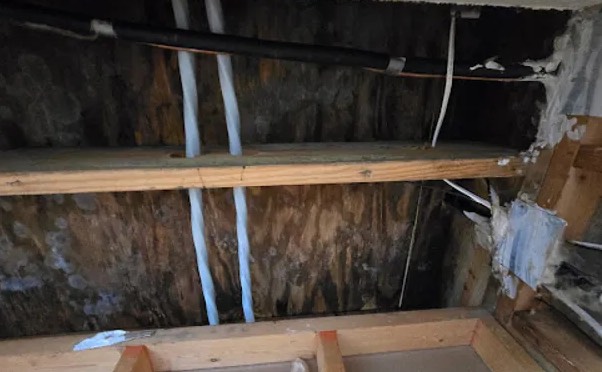
Attic water is hard to reach. Joists are narrow, headroom is low and the ceiling drywall cannot hold a person's weight. In Burnettown, extraction in an attic takes boards, lighting and careful footing.
A storm in Burnettown can push water into an attic in one night. Local water damage pros serve Burnettown and nearby Langley, Bath and Gloverville, with extraction available around the clock.
Key Attic Water Extraction Steps in Burnettown, SC
Attic Mold Prevention
Moisture sources such as a bath fan venting into the attic are noted, since they keep the attic damp after the leak is fixed.
Attic Drying Services
Drying runs until wood framing and ceiling drywall reach normal readings. Equipment is moved as each area dries.
Roof Leak Water Removal
Roof leaks often show up far from where they start. Moisture meters trace the water back along the decking to its entry point.
Attic Moisture Inspection
The inspection maps where the water went from the leak point, which decides what is extracted, removed or dried in place.
Ceiling Water Damage Cleanup
The ceiling under a wet attic is checked with a meter. Damp drywall may dry in place, while sagging drywall is drained and removed.
When to Call for Attic Water Extraction in Burnettown
Sagging or Bulging Ceilings
A ceiling that bulges or droops is holding water and can fall. Keep people out of the room below.
Water Stains on Ceiling
A brown or yellow stain on an upstairs ceiling usually means water is sitting on the drywall from the attic.
Condensation on Attic Surfaces
Droplets or damp patches on the underside of the roof decking point to a moisture and ventilation problem.
Musty Odors From Attic
A musty smell from the attic hatch or upstairs rooms often points to wet insulation or wood.
How Attic Water Extraction Works in Burnettown
Step 1: Attic Leak Source Identification
The pros trace the water to the roof, a pipe or the AC pan and stop it with a tarp or shut-off.
Step 2: Flooded Attic Cleanup
Water, wet debris and fallen insulation are removed, and stored items are moved out of the attic.
Step 3: Structural Drying Setup
Equipment is placed to dry the framing and decking, with the room below checked and dried too.
Step 4: Attic Mold Prevention Treatment
Once dry, wood that stayed wet for days can be cleaned and treated with an antimicrobial.
What Leads to Attic Water Extraction Needs in Burnettown
Plumbing Leaks in Attic
Supply lines and water heaters in the attic can leak or burst onto the ceiling below.
Skylight or Chimney Flashing Failure
Worn flashing around skylights and chimneys lets rain run down into the attic.
HVAC System Condensate Overflow
AC air handlers in the attic overflow when the condensate line clogs or the pan cracks.
Roof Leaks From Storm Damage
Wind and hail can lift or break shingles, letting rain reach the decking and the attic floor.
Residential & Commercial Attic Water Extraction in Burnettown
Residential Attic Water Extraction
In two-story homes, attic leaks can reach upstairs ceilings and run down into walls. Each wet area is checked with a meter and dried.
Commercial Attic Water Extraction
Flat-roof buildings often have leaks that travel far before they drip. The water path above the ceiling is traced so no wet section is missed.
The Risks of DIY Attic Water Extraction in Burnettown
If it is safe, you can look into the attic with a flashlight to find the wet area. Removing water and insulation from between joists takes boards, protective gear and drying equipment.
What Influences Attic Water Extraction Cost in Burnettown
Storm calls, tight attic access, insulation replacement and ceiling repair all add to the total for attic water extraction in Burnettown.
Mold Prevention Steps
Antimicrobial treatment of wood that stayed wet is an added step, priced by area.
Size of the Affected Area
A leak that spread across the whole attic costs more than one confined to a single bay.
Type of Water Involved
Clean rainwater is simpler to remove than water from a drain line or a dirty source.
Does Insurance Cover Attic Water Extraction?
Damage to the ceiling and rooms below an attic leak is usually part of the same claim. Show the adjuster both spaces.
Selecting Local Pros for Attic Water Extraction in Burnettown
Roof Leak Location
The leak point is marked and photographed so the roofer can fix the right spot.
Dehumidification Plan
Dehumidifiers and air movers are placed for the attic's size and airflow, then adjusted daily.
Detailed Documentation
Photos, readings and drying logs are kept to support your insurance claim.
24/7 Attic Water Extraction for Burnettown Emergencies
The longer insulation stays wet, the more ceiling has to be replaced. Call (706) 810-5477 for attic water extraction in Burnettown as soon as you see a drip.
Call Now (706) 810-5477Local Attic Water Extraction Areas Including Burnettown
Help with attic water extraction is also available in communities near Burnettown, including Langley, Bath and Gloverville, for roof leaks and attic equipment failures.
Your Attic Water Extraction Questions in Burnettown, SC
How quickly should I deal with water in my attic?
Right away. Water sitting on ceiling drywall can make it sag or fall within a day, and wet wood starts to break down.
Does a roof leak always cause attic water damage?
Almost always some. Even a small leak wets the decking and insulation, which should be checked and dried.
What causes attic water damage?
Roof leaks, attic plumbing failures, overflowing AC drain pans, poor ventilation and bath fans venting into the attic.
Why is a moisture inspection important after extraction?
Extraction removes pooled water, but wood and drywall stay wet inside. Meters show what still needs drying.
Why is wet insulation removal often necessary?
Soaked insulation stays wet for a long time, adds weight to the ceiling and loses its insulating value.