Louisville, GA · Jefferson County
Attic Water Extraction in Louisville, GAAttic Mold Prevention & Emergency Attic Water Extraction
Attic Water Extraction in Louisville includes attic leak water cleanup, roof leak water removal and ceiling water damage cleanup.
Answered 24/7
Attic Water Extraction Response in Louisville
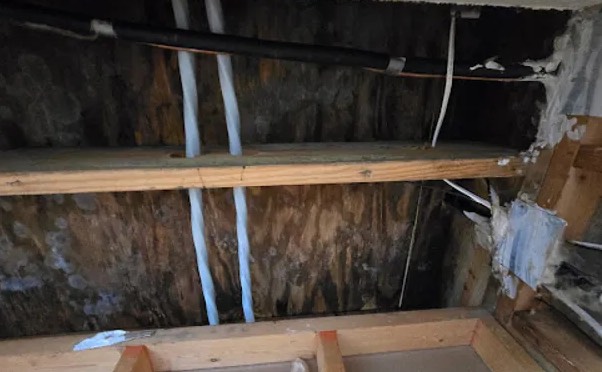
Attic Water Extraction in Louisville usually follows one of three events. A storm damaged the roof, a pipe or water heater failed in the attic, or an AC drain pan overflowed.
In Louisville, attic extraction calls often follow heavy rain or a clogged AC drain line. Local water damage pros serve Louisville, Bartow, Wadley and Vidette, removing water and wet insulation and drying the ceiling below.
Attic Water Extraction and Damage Mitigation in Louisville
Attic Mold Prevention
Drying the attic quickly is the main way to limit mold on wood. Treatment is added for areas that were wet for days.
Emergency Attic Water Extraction
Help is available any hour, because water sitting on top of a ceiling can bring the drywall down within a day.
Wet Attic Insulation Removal
Blown-in insulation that got wet is vacuumed out of the affected bays, and fiberglass batts are pulled and bagged.
Ceiling Water Damage Cleanup
Ceiling cleanup covers the room below: fallen drywall, wet insulation and debris are cleared, and the floor is protected.
Attic Moisture Inspection
The inspection maps where the water went from the leak point, which decides what is extracted, removed or dried in place.
Detecting the Need for Attic Water Extraction in Your Attic
Damp Attic Insulation
Insulation that feels damp, looks matted or has dark patches has been soaking up water.
Sagging or Bulging Ceilings
A ceiling that bulges or droops is holding water and can fall. Keep people out of the room below.
Rotting Wood in Attic
Soft or crumbling wood in the attic, especially around vents and valleys, points to long-term leaks.
Insect Infestations in Attic
Wet wood draws insects, so new activity in the attic can be a sign of an ongoing leak.
How Attic Water Extraction Works in Louisville
Step 1: Attic Leak Source Identification
The pros trace the water to the roof, a pipe or the AC pan and stop it with a tarp or shut-off.
Step 2: Flooded Attic Cleanup
Water, wet debris and fallen insulation are removed, and stored items are moved out of the attic.
Step 3: Structural Drying Setup
Equipment is placed to dry the framing and decking, with the room below checked and dried too.
Step 4: Attic Mold Prevention Treatment
Once dry, wood that stayed wet for days can be cleaned and treated with an antimicrobial.
What Leads to Attic Water Extraction Needs in Louisville
Plumbing Leaks in Attic
Supply lines and water heaters in the attic can leak or burst onto the ceiling below.
Bathroom Exhaust Fan Vent Leaks
Bathroom fans vented into the attic, or with loose ducts, release moisture onto the wood.
Condensation From Poor Ventilation
Warm, moist air from the house condenses on roof decking when the attic lacks ventilation.
Aging or Deteriorated Roofing Materials
Old, curled or cracked shingles and worn underlayment let water through during heavy rain.
Attic Water Extraction for Homes and Businesses in Louisville
Residential Attic Water Extraction
Homeowners often keep boxes and seasonal items in the attic. Wet items are moved out first so the floor can be extracted and the insulation removed.
Commercial Attic Water Extraction
Offices and stores need the area below protected during attic work. Extraction and drying are planned around business hours where possible.
Attic Water Extraction vs. DIY: When to Call the Pros
Patching the roof stops new water, but the attic stays wet underneath. After any roof repair, have the insulation and decking checked for leftover moisture.
Understanding Attic Water Extraction Cost in Louisville
Water extracted from an attic in Louisville the same day usually means less ceiling drywall to replace than water left over a weekend.
Type of Water Involved
Clean rainwater is simpler to remove than water from a drain line or a dirty source.
Access and Complexity
Low headroom, tight access hatches and narrow joists make the work slower.
Material Removal Needs
Wet insulation and ceiling drywall that must be removed add labor and disposal costs.
Does Insurance Cover Attic Water Extraction?
Photos, moisture readings and drying logs from local water damage pros help support an insurance claim for attic water damage in Louisville.
The Value of Local Pros for Attic Water Extraction
Ceiling Damage Mitigation
Sagging ceilings are drained and removed safely before they can fall into the room.
Roof Leak Location
The leak point is marked and photographed so the roofer can fix the right spot.
Wet Insulation Handling
Wet insulation is bagged and removed without spreading debris into the living space.
24/7 Attic Water Extraction for Louisville Emergencies
If water is dripping from a light fixture, shut off that circuit at the panel and stay clear. Then call (706) 810-5477 for help in Louisville.
Call Now (706) 810-5477Attic Water Extraction Coverage in Louisville, Bartow, Wadley and Vidette
Help with attic water extraction is also available in communities near Louisville, including Bartow, Wadley and Vidette, for roof leaks and attic equipment failures.
- Attic Water Extraction in Bartow
- Attic Water Extraction in Wadley
- Attic Water Extraction in Vidette
- Attic Water Extraction in Davisboro
- Attic Water Extraction in Wrens
- Attic Water Extraction in Avera
- Attic Water Extraction in Stapleton
- Attic Water Extraction in Midville
- Emergency Damage Restoration in 30434
- Storm Damage Restoration in 30434
- Water Damage Restoration in 30434
- Water Extraction Service in 30434
- Water Leak Detection in 30434
- Water Removal Service in 30434
Your Attic Water Extraction Questions in Louisville, GA
What is involved in professional attic water extraction?
Catching drips, vacuuming pooled water from decking and drywall tops, removing soaked insulation and drying the framing and ceiling below.
Can wet attic insulation be saved?
Lightly damp areas sometimes dry, but soaked or matted insulation is usually removed and replaced after the attic is dry.
Why is wet insulation removal often necessary?
Soaked insulation stays wet for a long time, adds weight to the ceiling and loses its insulating value.
What happens during ceiling water damage cleanup?
Water in the ceiling is drained, sagging drywall is removed, debris is cleared and the cavity is dried before repairs.
What is the purpose of attic mold prevention?
To slow microbial growth on wood that stayed wet, by drying it quickly and treating it with an antimicrobial if needed.