Gloverville, SC · Aiken County
Attic Water Removal in Gloverville, SCCeiling Water Damage Cleanup & Attic Leak Water Cleanup
For a storm leak, Attic Water Removal in Gloverville means emergency attic water extraction, roof leak water removal and attic moisture inspection.
Answered 24/7
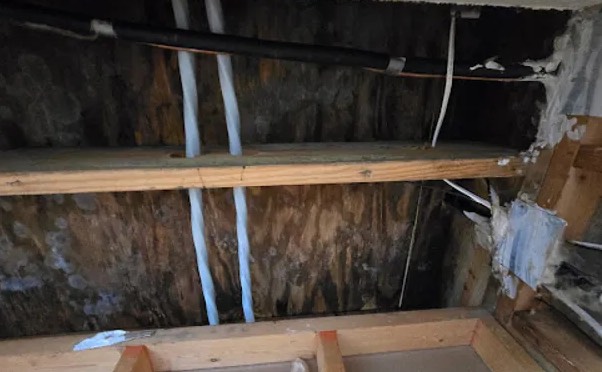
Attic Water Removal Services for Gloverville Homes
In Gloverville, the most common attic water sources are roof leaks, attic AC units and plumbing that runs through the attic. Each one needs to be stopped before drying can work.
Homeowners in Gloverville can call (706) 810-5477 day or night when water starts coming through the ceiling. Service also covers Langley, Burnettown and Warrenville, with the same inspection and drying steps.
Attic Water Removal Services in Gloverville
Ceiling Water Damage Cleanup
Fallen drywall, wet insulation and debris in the room below are cleaned up, and floors and furniture are protected during the work.
Attic Leak Water Cleanup
Cleanup focuses on the low spots where water collects: the bays between joists, the area around the hatch and the space under an air handler.
Emergency Attic Water Extraction
When a storm or a burst pipe floods the attic, help is available any hour to remove the water before the ceiling below fails.
Attic Drying Services
Equipment is adjusted daily, moving airflow from areas that are dry to areas that still read wet.
Wet Attic Insulation Removal
Fiberglass batts are lifted out by hand, while wet blown-in insulation is vacuumed with a high-powered insulation vacuum.
When to Consider Attic Water Removal in Gloverville
Puddles or Standing Water in Attic
Pooled water on the attic floor or on top of drywall needs removal right away.
High Utility Bills Unexpectedly
Wet insulation loses its insulating value, so energy bills can rise after an attic leak.
Visible Mold in Attic Spaces
Dark spots on rafters or roof decking mean the wood has stayed damp for days or longer.
Peeling Paint on Ceilings or Walls
Paint that peels or blisters on upstairs ceilings and walls often has water behind it.
How Attic Water Removal Works in Gloverville
Step 1: Source Control and Water Removal
The roof is tarped or the line shut off, and pooled water is removed from the attic floor.
Step 2: Wet Attic Cleanup and Debris Removal
Soaked insulation, wet debris and stored items are cleared so the wood and drywall can dry.
Step 3: Structural Drying and Dehumidification
Air movers and dehumidifiers are set on boards in the attic and run until readings drop.
Step 4: Final Attic Moisture Check
Decking, rafters and the ceiling below are tested to confirm they are dry before repairs.
Typical Sources of Attic Water Damage
HVAC System Leaks or Drain Pan Overflow
An attic air handler overflows when its condensate line clogs or the drain pan cracks.
Storm Damage From High Winds or Hail
High winds and hail can damage shingles and open the roof to rain during a storm.
Roof Leaks From Damaged Shingles
Cracked, missing or lifted shingles let rain reach the decking and drip into the attic.
Appliance Malfunctions Like Water Heater Leaks
Water heaters located in the attic can leak or fail, flooding the attic floor.
Attic Water Removal for Homes and Businesses
Residential Attic Water Removal
In two-story homes, attic water can run down inside walls to the floor below. Walls under the leak are checked with a meter and dried if needed.
Commercial Attic Water Removal
Flat-roof buildings often have water that travels far before it drips. The path above the ceiling is traced so every wet section is found.
Attic Water Removal vs. DIY: When to Call the Pros
If the ceiling is bulging, keep people out of the room and place a bucket nearby. Local water extraction specialists can drain and remove it in a controlled way.
Factors Influencing Attic Water Removal Cost
Roof or plumbing repair is billed separately from water removal and drying. In Gloverville, both are needed after most attic leaks.
Secondary Damage Repairs
Ceiling drywall replacement and paint in the room below add to the total.
Extent of Water Damage
A leak confined to one bay costs less than water spread across the attic and the rooms below.
Mold Prevention Measures
Antimicrobial treatment of wood that stayed wet is an added step, priced by area.
Does Insurance Cover Attic Water Removal?
Many homeowner policies cover sudden attic leaks from storms or burst pipes, but not damage from worn roofing or slow leaks. Read your policy and call your insurer early.
Selecting Local Pros in Gloverville for Attic Water Removal
Damage Documentation
Photos, readings and a list of removed materials are kept for insurance.
Dehumidification Equipment
Dehumidifiers sized for the attic remove moisture much faster than roof vents and open hatches alone.
Advanced Moisture Detection
Moisture meters and thermal cameras find wet wood and insulation that look dry.
24-Hour Emergency Attic Water Removal Near Gloverville
Ceiling sagging under the weight of water? Keep people out of the room below and call (706) 810-5477 now for attic water removal in Gloverville.
Call Now (706) 810-5477Nearby Towns for Attic Water Removal from Gloverville
Help with attic water removal reaches Langley, Burnettown and Warrenville, plus other communities around Gloverville, for one-story and two-story homes alike.
- Attic Water Removal in Langley
- Attic Water Removal in Burnettown
- Attic Water Removal in Warrenville
- Attic Water Removal in Graniteville
- Attic Water Removal in Bath
- Attic Water Removal in Beech Island
- Attic Water Removal in Vaucluse
- Attic Water Removal in Belvedere
- Emergency Damage Restoration in 29828
- Storm Damage Restoration in 29828
- Water Damage Restoration in 29828
- Water Extraction Service in 29828
- Water Leak Detection in 29828
- Water Removal Service in 29828
Common Attic Water Removal Queries Answered
How can mold be prevented after attic water removal?
By drying wood quickly, fixing ventilation problems and treating framing that stayed wet with an antimicrobial.
What does water damaged attic restoration include after drying?
New insulation, any decking or framing repairs, and ceiling drywall replacement and paint in the room below.
Can I remove attic water myself?
Only small amounts that are easy to reach safely. Pooled water and soaked insulation need safe footing and drying equipment.
Will attic water damage cause mold?
It can if wood and insulation stay wet for days. Fast removal and drying are the main ways to prevent mold.
What causes attic water damage?
Roof leaks, plumbing failures, attic AC overflows, water heater leaks, loose bath fan ducts and poor ventilation.