Dublin, GA · Laurens County
Basement Water Damage Restoration in Dublin, GABasement Dehumidification & Basement Floor Water Removal
Get basement water damage restoration in Dublin for basement floor water removal, basement mold prevention and basement drying services.
Answered 24/7
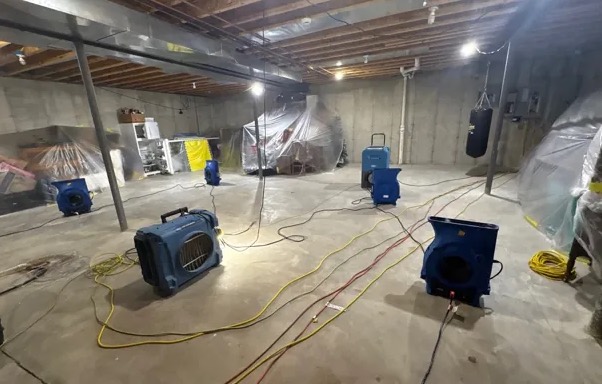
Expert Basement Water Damage Restoration Serving Dublin
Sewage backups are one of the most common problems in any basement or lower level, including in Dublin. Water coming up through a floor drain or basement toilet carries bacteria and needs a different cleanup than clean water.
One burst pipe or heavy storm in Dublin can flood a basement. Local water removal pros serve Dublin and nearby Oconee, with help available around the clock.
Professional Basement Water Damage Restoration Offered in Dublin
Basement Dehumidification
A basement with no moisture problem before the flood may still need a dehumidifier afterward while the concrete dries.
Basement Floor Water Removal
A slab can look dry on top while still holding water. Moisture readings show when it is ready for new flooring.
Basement Mold Prevention
Fast extraction and drying are the main ways to limit microbial growth in a basement. Surfaces that stayed wet can be treated once dry.
Basement Sewer Backup Cleanup
After a sewer backup, cleanup and disinfection come before drying, so contaminated surfaces are not left in place.
Emergency Basement Flood Cleanup
Emergency cleanup starts with stopping the source where possible, checking for electrical hazards and pumping out the water.
Indicators for Basement Water Damage Restoration in Dublin
Efflorescence on Concrete Walls
White, chalky deposits on concrete walls mean water is moving through the concrete and leaving minerals behind.
High Humidity Levels Below-Grade
A basement that stays damp and clammy even on dry days has a moisture source that needs attention.
Rusted Appliances or Pipes
Rust on the water heater, furnace base or pipes points to repeated moisture or past flooding.
Sump Pump Failure or Overflow
A sump pump that runs constantly, fails to start or lets the pit overflow puts the basement at risk.
How Basement Water Damage Restoration Works in Dublin
Step 1: Initial Assessment and Water Removal
The source and type of water are identified, and standing water is removed right away.
Step 2: Focused Drying of Materials
Walls, framing and the slab are dried with directed airflow, with wet insulation removed.
Step 3: Air Quality Management
Air scrubbers filter dust and odors from removal work while drying continues.
Step 4: Documentation for Restoration
Photos, readings and a list of removed materials are prepared for insurance and rebuilding.
Why Basement Water Damage Occurs in Dublin
High Water Table and Hydrostatic Pressure
A high water table pushes groundwater up through the slab and into the joints between wall and floor.
Stormwater Runoff Into Lower Levels
Heavy rain running off hard ground or a sloped yard can pour down stairwells and under doors into below-grade rooms.
Plumbing Pipe Bursts or Leaks
Supply lines and drain pipes in basement ceilings can crack or burst onto the floor below.
Sewer Line Backups
A blocked or overloaded sewer line pushes wastewater up through basement drains and toilets.
Basement Water Damage Restoration for All Properties in Dublin
Residential Basement Water Damage Restoration
Homeowners with older basements may have seepage that returns with each storm. Drying fixes the current damage, and the source is noted for a waterproofing contractor.
Commercial Basement Water Damage Restoration
Apartment and condo buildings with shared basements or lower levels may have laundry and storage below grade. Each area is extracted, dried and recorded for the building manager.
When to DIY and When to Call the Pros for Basement Water Damage Restoration
Fans alone can push damp air into the rest of the house. Basement drying needs dehumidifiers to pull the moisture out of the air and the concrete.
Factors Affecting Basement Water Damage Restoration Cost in Dublin
The cost of basement water damage restoration in Dublin depends on how much water there is, whether it is clean or sewage and how much finished material must be removed.
Dehumidification Needs
Large dehumidifiers may need to run longer in below-grade spaces than in upper floors.
Emergency Service
Night, weekend and storm calls can cost more than a scheduled visit.
Affected Square Footage
Larger basements need more extraction, more drying equipment and more days of drying time.
Does Insurance Cover Basement Water Damage Restoration?
Coverage for groundwater seepage and backups varies widely between policies. Ask your adjuster whether your policy includes it before work begins.
Why Choose Local Pros for Basement Water Damage Restoration in Dublin
Water Type Handling
Clean water, gray water and sewage are each handled with the right protection and removal steps.
Containment Strategies
Plastic sheeting keeps contaminated areas separate from clean parts of the house.
Industrial-Grade Equipment
Pumps, extractors and large dehumidifiers remove water much faster than household wet vacs and fans.
Round-the-Clock Emergency Basement Water Damage Restoration in Dublin
Sewage coming up through a floor drain? Stop using water in the house and call (706) 810-5477 now for basement water damage restoration in Dublin.
Call Now (706) 810-5477Local Basement Water Damage Restoration Coverage: Dublin and Beyond
The places below are also served, and each one has its own page.
- Basement Water Damage Restoration in Oconee
- Basement Water Damage Restoration in Harrison
- Basement Water Damage Restoration in Tennille
- Basement Water Damage Restoration in Sandersville
- Basement Water Damage Restoration in Swainsboro
- Basement Water Damage Restoration in Davisboro
- Basement Water Damage Restoration in Bartow
- Basement Water Damage Restoration in Wadley
- Emergency Damage Restoration in 31021
- Storm Damage Restoration in 31021
- Water Damage Restoration in 31021
- Water Extraction Service in 31021
- Water Leak Detection in 31021
- Water Removal Service in 31021
- Emergency Damage Restoration in 31040
- Storm Damage Restoration in 31040
FAQ for Basement Water Damage Restoration in Dublin
Does basement mold prevention need special steps after flooding?
Fast drying is the main step. Wood and concrete that stayed wet can be treated with an antimicrobial once dry.
How is basement restoration documented for insurance?
With photos of the water level and damage, moisture readings, a list of removed materials and daily drying logs.
Is basement floor water removal different from carpet extraction?
Yes. Bare concrete is squeegeed and dried, while carpet and pad need extraction, and the pad is usually replaced.
What causes the most common below-grade leaks in homes?
Sump pump failures, foundation cracks, clogged drain tile, sewer backups and burst pipes in the basement ceiling.
Why is dehumidification so important after basement water removal?
Basements hold moisture in the air and concrete. Without dehumidifiers, walls and framing stay damp long after the water is gone.