Gloverville, SC · Aiken County
Basement Water Damage Restoration in Gloverville, SCBasement Water Extraction & Basement Mold Prevention
Basement Water Damage Restoration in Gloverville runs from basement water extraction and basement floor water removal to basement dehumidification.
Answered 24/7
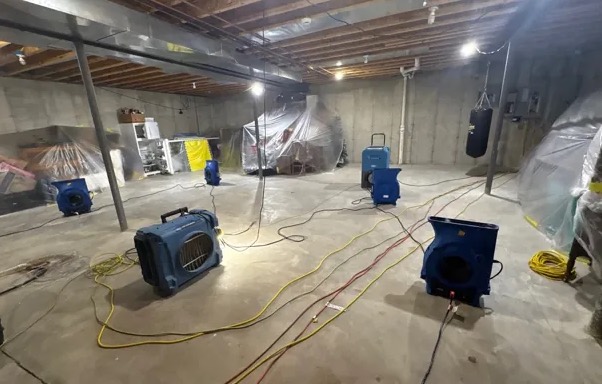
Basement Water Damage Restoration Solutions in Gloverville, South Carolina
In Gloverville, a damp, musty basement or lower room often means water damage that was never fully dried. Old leaks can leave moisture in walls and under flooring long after the water is gone.
Homeowners in Gloverville can call (706) 810-5477 day or night when water is rising in the basement. Service also covers Langley, Burnettown and Warrenville, with the same pumping and drying steps.
The Basement Water Damage Restoration Process in Gloverville
Basement Water Extraction
Submersible pumps remove deep standing water, then portable extractors pull water from carpet, pad and the concrete floor.
Basement Mold Prevention
Fast extraction and drying are the main ways to limit microbial growth in a basement. Surfaces that stayed wet can be treated once dry.
Basement Dehumidification
A basement with no moisture problem before the flood may still need a dehumidifier afterward while the concrete dries.
Emergency Basement Flood Cleanup
Emergency cleanup starts with stopping the source where possible, checking for electrical hazards and pumping out the water.
Basement Wall Drying
Concrete and block walls are dried with directed airflow and dehumidifiers, and checked with meters until readings drop.
When to Consider Basement Water Damage Restoration for Your Gloverville Home
Wet or Stained Basement Walls
Dark, wet patches or tide lines on basement walls show where water seeped in or wicked up.
Damp or Musty Odors
A damp, earthy or musty smell in the basement often means hidden moisture in walls, carpet or the slab.
Rusted Appliances or Pipes
Rust on the water heater, furnace base or pipes points to repeated moisture or past flooding.
Condensation on Windows or Pipes
Water beading on cold pipes or basement windows shows high humidity that keeps materials damp.
How Basement Water Damage Restoration Works in Gloverville
Step 1: Floodwater Pump-Out
Submersible pumps remove deep water, and electrical hazards are checked before anyone walks in it.
Step 2: Deep Moisture Extraction
Extractors pull water from carpet, pad and the concrete floor after the deep water is gone.
Step 3: Air Circulation and Drying
Air movers keep dry air moving across walls and floors throughout the basement.
Step 4: Dehumidification and Verification
Dehumidifiers run until humidity and material readings confirm the basement is dry.
Common Causes of Water Damage in Gloverville
Sewer Line Backups
A blocked or overloaded sewer line pushes wastewater up through basement drains and toilets.
HVAC Condensate Line Overflow
A clogged furnace or air conditioner condensate line can overflow onto the floor of a basement or lower-level utility room.
High Water Table and Hydrostatic Pressure
A high water table pushes groundwater up through the slab and into the joints between wall and floor.
Water Heater or Appliance Leaks
Water heaters, washers and utility sinks in the basement can leak or fail without warning.
Residential and Commercial Basement Water Damage Restoration in Gloverville
Residential Basement Water Damage Restoration
Finished basements used as living space need carpet, pad and lower drywall checked carefully. Soaked materials are removed so the walls and slab can dry.
Commercial Basement Water Damage Restoration
Businesses with below-grade storage need inventory moved out of the water quickly. Wet stock is separated and documented for insurance.
When to DIY and When to Call the Pros for Basement Water Damage Restoration
Fans alone can push damp air into the rest of the house. Basement drying needs dehumidifiers to pull the moisture out of the air and the concrete.
Factors Affecting Basement Water Damage Restoration Cost in Gloverville
Before pricing basement water damage restoration in Gloverville, the pros check the water depth, the type of water and what the basement is finished with.
Secondary Damage
Damage to furnaces, water heaters and belongings adds repair and replacement costs.
Drying Time Required
Basements dry slowly, and longer drying means more equipment days and monitoring visits.
Access Complexity
Narrow stairs, low ceilings and stored contents can make the work slower.
Does Insurance Cover Basement Water Damage Restoration?
Photos, moisture readings and drying logs from local water removal pros help support an insurance claim for basement water damage in Gloverville.
Reasons to Hire Local Pros for Basement Water Damage Restoration in Gloverville
Water Extraction First
Water is removed from floors, carpet and pad before drying starts, which shortens drying time.
Structural Integrity Assessment
Walls, stairs and framing are checked for damage before work begins in the basement.
24/7 Emergency Response
Help is available day or night when water is rising in the basement.
24/7 Emergency Basement Water Damage Restoration in Gloverville
A flooded basement damages walls, furnaces, water heaters and belongings quickly. Call (706) 810-5477 for basement water damage restoration in Gloverville at any hour.
Call Now (706) 810-5477Basement Water Damage Restoration Serving Gloverville, Langley, Burnettown and Warrenville
Need basement water damage restoration outside Gloverville? Service also covers Langley, Burnettown and Warrenville, including emergency help during storms.
- Basement Water Damage Restoration in Langley
- Basement Water Damage Restoration in Burnettown
- Basement Water Damage Restoration in Warrenville
- Basement Water Damage Restoration in Graniteville
- Basement Water Damage Restoration in Bath
- Basement Water Damage Restoration in Beech Island
- Basement Water Damage Restoration in Vaucluse
- Basement Water Damage Restoration in Belvedere
- Emergency Damage Restoration in 29828
- Storm Damage Restoration in 29828
- Water Damage Restoration in 29828
- Water Extraction Service in 29828
- Water Leak Detection in 29828
- Water Removal Service in 29828
Your Basement Water Damage Restoration Questions Addressed
Why is quick action important for below-grade flood restoration?
Basements dry slowly, so every hour of standing water adds days of drying and more material to replace.
What health risks come with delayed basement flood cleanup?
Standing water and wet materials can support bacteria and microbial growth, and sewage carries contaminants that need disinfection.
How is basement sewer backup cleanup different from regular flooding?
Sewage carries bacteria, so it needs protective gear, removal of porous materials and disinfection before drying.
What does below-grade moisture removal include beyond pumping?
Extracting carpet and pad, opening wet walls, running air movers and dehumidifiers, and checking readings until dry.
What causes the most common below-grade leaks in homes?
Sump pump failures, foundation cracks, clogged drain tile, sewer backups and burst pipes in the basement ceiling.