Hampton, SC · Hampton County
Basement Water Damage Restoration in Hampton, SCBasement Sewer Backup Cleanup & Basement Water Extraction
Basement Water Damage Restoration in Hampton includes emergency basement flood cleanup, basement sewer backup cleanup and basement wall drying.
Answered 24/7
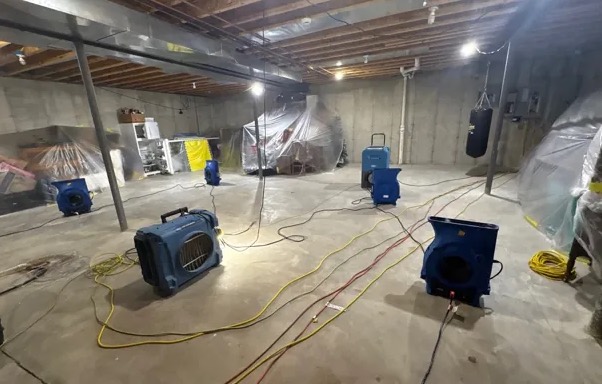
Basement Water Damage Restoration Solutions in Hampton, South Carolina
In Hampton, a damp, musty basement or lower room often means water damage that was never fully dried. Old leaks can leave moisture in walls and under flooring long after the water is gone.
Homeowners in Hampton can call (706) 810-5477 day or night when water is rising in the basement. Service also covers Brunson, Gifford and Luray, with the same pumping and drying steps.
Complete Basement Water Damage Restoration for Hampton
Basement Sewer Backup Cleanup
Sewage that backs up through a floor drain or toilet is extracted with protective gear, and the area is contained from the rest of the house.
Basement Water Extraction
Basement water is removed before drying starts, because every gallon left behind keeps the walls and air damp.
Basement Dehumidification
Dehumidification continues until humidity and material readings are normal. Turning it off too early lets moisture return.
Basement Drying Services
Equipment is adjusted each day based on moisture readings until every material reaches its normal level.
Basement Floor Water Removal
A slab can look dry on top while still holding water. Moisture readings show when it is ready for new flooring.
Signs of Basement Water Damage in Hampton
Damp or Musty Odors
A damp, earthy or musty smell in the basement often means hidden moisture in walls, carpet or the slab.
Efflorescence on Concrete Walls
White, chalky deposits on concrete walls mean water is moving through the concrete and leaving minerals behind.
Warped or Buckling Basement Floors
Laminate, wood or vinyl flooring that buckles or lifts in the basement has water underneath.
High Humidity Levels Below-Grade
A basement that stays damp and clammy even on dry days has a moisture source that needs attention.
How Basement Water Damage Restoration Works in Hampton
Step 1: Floodwater Pump-Out
Submersible pumps remove deep water, and electrical hazards are checked before anyone walks in it.
Step 2: Deep Moisture Extraction
Extractors pull water from carpet, pad and the concrete floor after the deep water is gone.
Step 3: Air Circulation and Drying
Air movers keep dry air moving across walls and floors throughout the basement.
Step 4: Dehumidification and Verification
Dehumidifiers run until humidity and material readings confirm the basement is dry.
Frequent Sources of Water Damage in Hampton
Water Heater or Appliance Leaks
Water heaters, washers and utility sinks in the basement can leak or fail without warning.
High Water Table and Hydrostatic Pressure
A high water table pushes groundwater up through the slab and into the joints between wall and floor.
Faulty Basement Waterproofing
Old or failed waterproofing on foundation walls lets water through during wet weather.
Sump Pump Mechanical Failure
A sump pump that fails, loses power or is too small lets groundwater rise into the basement.
Both Residential & Commercial Basement Water Damage Restoration in Hampton
Residential Basement Water Damage Restoration
Finished basements used as living space need carpet, pad and lower drywall checked carefully. Soaked materials are removed so the walls and slab can dry.
Commercial Basement Water Damage Restoration
Businesses with below-grade storage need inventory moved out of the water quickly. Wet stock is separated and documented for insurance.
Basement Water Damage Restoration vs. DIY: When to Call the Pros
Fans alone can push damp air into the rest of the house. Basement drying needs dehumidifiers to pull the moisture out of the air and the concrete.
Basement Water Damage Restoration Cost in Hampton, SC
Sewage cleanup, finished walls, storm-night calls and damaged appliances all add to the total for basement water damage restoration in Hampton.
Drying Time Required
Basements dry slowly, and longer drying means more equipment days and monitoring visits.
Dehumidification Needs
Large dehumidifiers may need to run longer in below-grade spaces than in upper floors.
Secondary Damage
Damage to furnaces, water heaters and belongings adds repair and replacement costs.
Does Insurance Cover Basement Water Damage Restoration?
Flood damage from rising outside water usually needs flood insurance. Water from inside the home, like a broken pipe, is more often covered.
Reasons to Hire Local Pros for Basement Water Damage Restoration in Hampton
Detailed Documentation
Photos, readings and drying logs are kept to support your insurance claim.
24/7 Emergency Response
Help is available day or night when water is rising in the basement.
Containment Strategies
Plastic sheeting keeps contaminated areas separate from clean parts of the house.
Hampton Emergency Basement Water Damage Restoration Response
Storm night, weekend or holiday, local restoration pros handle flooded basements in Hampton. Call (706) 810-5477 to get the pumps running and the water out.
Call Now (706) 810-5477Local Basement Water Damage Restoration Coverage: Hampton and Beyond
The places below are also served, and each one has its own page.
- Basement Water Damage Restoration in Brunson
- Basement Water Damage Restoration in Gifford
- Basement Water Damage Restoration in Luray
- Basement Water Damage Restoration in Fairfax
- Basement Water Damage Restoration in Sycamore
- Basement Water Damage Restoration in Allendale
- Basement Water Damage Restoration in Ulmer
- Basement Water Damage Restoration in Bamberg
- Emergency Damage Restoration in 29924
- Storm Damage Restoration in 29924
- Water Damage Restoration in 29924
- Water Extraction Service in 29924
- Water Leak Detection in 29924
- Water Removal Service in 29924
Frequently Asked Questions About Basement Water Damage Restoration
How is basement sewer backup cleanup different from regular flooding?
Sewage carries bacteria, so it needs protective gear, removal of porous materials and disinfection before drying.
What equipment is used for below-grade water damage repair?
Submersible pumps, extractors, air movers, large dehumidifiers, moisture meters and air scrubbers for dust and odor.
Why is dehumidification so important after basement water removal?
Basements hold moisture in the air and concrete. Without dehumidifiers, walls and framing stay damp long after the water is gone.
How long does below-grade drying take after a flood?
Often several days or longer, since concrete and cool basement air dry slowly. Daily readings show progress.
What is the priority during emergency basement flood cleanup?
Safety first, especially electrical hazards, then stopping the source and pumping out the water as quickly as possible.