Lexington, SC · Lexington County
Basement Water Damage Restoration in Lexington, SCEmergency Basement Flood Cleanup & Basement Sewer Backup Cleanup
Homeowners in Lexington get Basement Water Damage Restoration for emergency basement flood cleanup, basement wall drying and basement mold prevention.
Answered 24/7
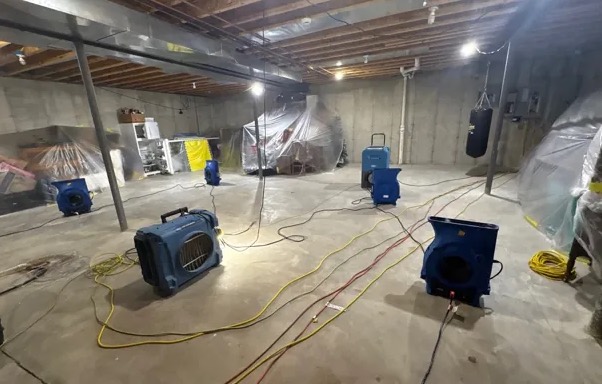
Basement Water Damage Restoration for Lexington Homes
A basement dries slower than any other part of a house. The air is cool, there is little sunlight and the concrete holds moisture for a long time. In Lexington, that makes extraction and steady dehumidification important.
One burst pipe or heavy storm in Lexington can flood a basement. Local water removal pros serve Lexington and nearby Cayce, West Columbia and Columbia, with help available around the clock.
Basement Water Damage Restoration Services in Lexington
Emergency Basement Flood Cleanup
Emergency cleanup starts with stopping the source where possible, checking for electrical hazards and pumping out the water.
Basement Sewer Backup Cleanup
Porous materials touched by sewage, such as carpet, pad and lower drywall, are removed. Concrete and framing are cleaned and disinfected.
Basement Wall Drying
Finished basement walls hide wet insulation and framing. Removing the bottom of the drywall lets air reach the cavity.
Basement Dehumidification
A basement with no moisture problem before the flood may still need a dehumidifier afterward while the concrete dries.
Basement Water Extraction
Basement water is removed before drying starts, because every gallon left behind keeps the walls and air damp.
Signs of Basement Water Damage in Lexington
Damp or Musty Odors
A damp, earthy or musty smell in the basement often means hidden moisture in walls, carpet or the slab.
Efflorescence on Concrete Walls
White, chalky deposits on concrete walls mean water is moving through the concrete and leaving minerals behind.
Mold on Surfaces
Dark spots on drywall, framing or stored boxes mean the area has stayed wet for days.
Sewage Odors or Backups
Sewage smells or water coming up through a floor drain mean the sewer line is backing up.
How Basement Water Damage Restoration Works in Lexington
Step 1: Floodwater Pump-Out
Submersible pumps remove deep water, and electrical hazards are checked before anyone walks in it.
Step 2: Deep Moisture Extraction
Extractors pull water from carpet, pad and the concrete floor after the deep water is gone.
Step 3: Air Circulation and Drying
Air movers keep dry air moving across walls and floors throughout the basement.
Step 4: Dehumidification and Verification
Dehumidifiers run until humidity and material readings confirm the basement is dry.
Typical Sources of Basement Water Damage in Lexington
HVAC Condensate Line Overflow
A clogged furnace or air conditioner condensate line can overflow onto the floor of a basement or lower-level utility room.
Clogged Floor Drains
A floor drain blocked by debris cannot carry off water from a leak or overflow, so it spreads across the basement floor.
Failed or Clogged Drain Tile
Clogged or collapsed drain tile around the foundation lets water build up against the walls.
Stormwater Runoff Into Lower Levels
Heavy rain running off hard ground or a sloped yard can pour down stairwells and under doors into below-grade rooms.
Both Residential & Commercial Basement Water Damage Restoration in Lexington
Residential Basement Water Damage Restoration
Homeowners with older basements may have seepage that returns with each storm. Drying fixes the current damage, and the source is noted for a waterproofing contractor.
Commercial Basement Water Damage Restoration
Apartment and condo buildings with shared basements or lower levels may have laundry and storage below grade. Each area is extracted, dried and recorded for the building manager.
Basement Water Damage Restoration vs. DIY: When to Call the Pros
Sewage in a basement should not be cleaned up without gloves, boots and eye protection. For any backup through a floor drain or toilet, call local water removal pros.
Understanding Basement Water Damage Restoration Pricing in Lexington
A basement pumped and dried right away in Lexington usually costs less than one left wet for days, when more drywall and flooring are lost.
Emergency Service
Night, weekend and storm calls can cost more than a scheduled visit.
Secondary Damage
Damage to furnaces, water heaters and belongings adds repair and replacement costs.
Material Saturation
Finished basements with carpet, drywall and insulation take more removal work than bare concrete.
Does Insurance Cover Basement Water Damage Restoration?
Photograph the water level, damaged belongings and appliances before cleanup starts, and keep receipts for emergency pumping and drying to send to your insurer.
Advantages of Hiring Local Pros in Lexington for Basement Water Damage Restoration
Industry Drying Standards
Drying follows industry water damage standards, with readings taken at every visit.
24/7 Emergency Response
Help is available day or night when water is rising in the basement.
Detailed Documentation
Photos, readings and drying logs are kept to support your insurance claim.
24/7 Emergency Basement Water Damage Restoration for Lexington
If water is near outlets or the electrical panel, do not walk into it. Call (706) 810-5477 for help in Lexington and wait for the power to be made safe.
Call Now (706) 810-5477Regions Served for Basement Water Damage Restoration Near Lexington
Nearby areas served for basement water damage restoration include Cayce, West Columbia and Columbia, with the same pumping and drying steps used in Lexington.
- Basement Water Damage Restoration in Cayce
- Basement Water Damage Restoration in West Columbia
- Basement Water Damage Restoration in Columbia
- Basement Water Damage Restoration in Forest Acres
- Basement Water Damage Restoration in Batesburg-Leesville
- Basement Water Damage Restoration in Wagener
- Basement Water Damage Restoration in Monetta
- Basement Water Damage Restoration in Perry
- Emergency Damage Restoration in 29071
- Storm Damage Restoration in 29071
- Water Damage Restoration in 29071
- Water Extraction Service in 29071
- Water Leak Detection in 29071
- Water Removal Service in 29071
- Emergency Damage Restoration in 29072
- Storm Damage Restoration in 29072
Basement Water Damage Restoration FAQs
Why is dehumidification so important after basement water removal?
Basements hold moisture in the air and concrete. Without dehumidifiers, walls and framing stay damp long after the water is gone.
What health risks come with delayed basement flood cleanup?
Standing water and wet materials can support bacteria and microbial growth, and sewage carries contaminants that need disinfection.
What causes the most common below-grade leaks in homes?
Sump pump failures, foundation cracks, clogged drain tile, sewer backups and burst pipes in the basement ceiling.
How long does below-grade drying take after a flood?
Often several days or longer, since concrete and cool basement air dry slowly. Daily readings show progress.
How is basement sewer backup cleanup different from regular flooding?
Sewage carries bacteria, so it needs protective gear, removal of porous materials and disinfection before drying.