Sparta, GA · Hancock County
Basement Water Damage Restoration in Sparta, GAEmergency Basement Flood Cleanup & Basement Floor Water Removal
Basement Water Damage Restoration in Sparta runs from basement water extraction and basement floor water removal to basement dehumidification.
Answered 24/7
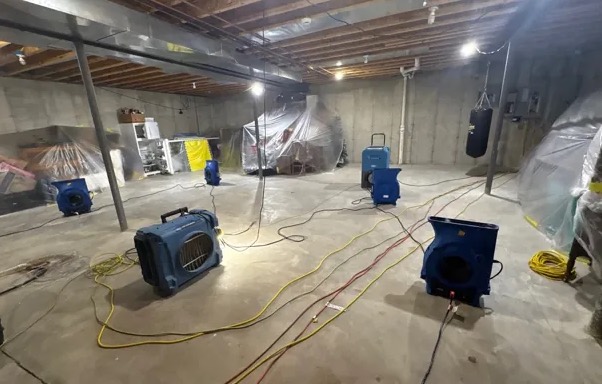
Professional Basement Water Damage Restoration in Sparta, GA
A basement dries slower than any other part of a house. The air is cool, there is little sunlight and the concrete holds moisture for a long time. In Sparta, that makes extraction and steady dehumidification important.
A finished basement or lower level in Sparta or Mitchell, Deepstep and Crawfordville can hide old moisture behind drywall and flooring. The pros find the water and dry the space before more damage sets in.
Professional Basement Water Damage Restoration Offered in Sparta
Emergency Basement Flood Cleanup
A flooded basement can damage furnaces, water heaters and stored items quickly. Fast pumping limits how much is lost.
Basement Floor Water Removal
A slab can look dry on top while still holding water. Moisture readings show when it is ready for new flooring.
Basement Dehumidification
Dehumidification continues until humidity and material readings are normal. Turning it off too early lets moisture return.
Basement Mold Prevention
After drying, an antimicrobial can be applied to framing and concrete that were wet, to slow mold on surfaces that stay in place.
Basement Sewer Backup Cleanup
After a sewer backup, cleanup and disinfection come before drying, so contaminated surfaces are not left in place.
Signs of Basement Water Damage in Sparta
Condensation on Windows or Pipes
Water beading on cold pipes or basement windows shows high humidity that keeps materials damp.
Standing Water in the Basement
Any standing water on the basement floor needs pumping right away, before it soaks walls and framing.
Mold on Surfaces
Dark spots on drywall, framing or stored boxes mean the area has stayed wet for days.
Peeling Paint or Wallpaper
Paint that peels or blisters on basement walls often has moisture behind it.
How Basement Water Damage Restoration Works in Sparta
Step 1: Source Control and Extraction
The pipe is shut off, the sump restarted or the backup stopped, then the water is pumped out.
Step 2: Structural Drying Setup
Lower drywall is removed where soaked, and equipment is placed to dry wall cavities and the slab.
Step 3: Contaminant Removal
Materials touched by sewage or dirty water are removed and hard surfaces are cleaned and disinfected.
Step 4: Monitoring and Completion
Daily readings track drying until every material is normal, then equipment is removed.
Common Causes of Water Damage in Sparta
Failed or Clogged Drain Tile
Clogged or collapsed drain tile around the foundation lets water build up against the walls.
Stormwater Runoff Into Lower Levels
Heavy rain running off hard ground or a sloped yard can pour down stairwells and under doors into below-grade rooms.
Plumbing Pipe Bursts or Leaks
Supply lines and drain pipes in basement ceilings can crack or burst onto the floor below.
Sump Pump Mechanical Failure
A sump pump that fails, loses power or is too small lets groundwater rise into the basement.
Home and Business Basement Water Damage Restoration in Sparta
Residential Basement Water Damage Restoration
A sewer backup in a home basement needs contaminated carpet, pad and drywall removed and every hard surface disinfected before drying.
Commercial Basement Water Damage Restoration
In restaurants and stores with basements, sewage backups need fast containment so contamination does not reach food or customer areas.
Basement Water Damage Restoration: Professional Help vs. Doing It Yourself in Sparta
Sewage in a basement should not be cleaned up without gloves, boots and eye protection. For any backup through a floor drain or toilet, call local water damage pros.
Basement Water Damage Restoration Cost in Sparta, GA
A basement pumped and dried right away in Sparta usually costs less than one left wet for days, when more drywall and flooring are lost.
Secondary Damage
Damage to furnaces, water heaters and belongings adds repair and replacement costs.
Drying Time Required
Basements dry slowly, and longer drying means more equipment days and monitoring visits.
Affected Square Footage
Larger basements need more extraction, more drying equipment and more days of drying time.
Does Insurance Cover Basement Water Damage Restoration?
Photograph the water level, damaged belongings and appliances before cleanup starts, and keep receipts for emergency pumping and drying to send to your insurer.
Advantages of Hiring Local Pros in Sparta for Basement Water Damage Restoration
Mold Prevention Focus
Fast drying is the main way to limit microbial growth in a below-grade space.
Water Extraction First
Water is removed from floors, carpet and pad before drying starts, which shortens drying time.
Structural Integrity Assessment
Walls, stairs and framing are checked for damage before work begins in the basement.
Sparta Emergency Basement Water Damage Restoration Response
If water is near outlets or the electrical panel, do not walk into it. Call (706) 810-5477 for help in Sparta and wait for the power to be made safe.
Call Now (706) 810-5477Local Basement Water Damage Restoration Coverage: Sparta and Beyond
Each place listed below has its own page with local details.
- Basement Water Damage Restoration in Mitchell
- Basement Water Damage Restoration in Deepstep
- Basement Water Damage Restoration in Crawfordville
- Basement Water Damage Restoration in Milledgeville
- Basement Water Damage Restoration in Sandersville
- Basement Water Damage Restoration in Sharon
- Basement Water Damage Restoration in Tennille
- Basement Water Damage Restoration in Warrenton
- Emergency Damage Restoration in 31087
- Storm Damage Restoration in 31087
- Water Damage Restoration in 31087
- Water Extraction Service in 31087
- Water Leak Detection in 31087
- Water Removal Service in 31087
FAQ for Basement Water Damage Restoration in Sparta
Is basement floor water removal different from carpet extraction?
Yes. Bare concrete is squeegeed and dried, while carpet and pad need extraction, and the pad is usually replaced.
What are signs of hidden moisture after below-grade water extraction?
Musty smells, tide lines on walls, damp carpet edges and moisture readings that stay high in walls or the slab.
Should I try below-grade waterproofing myself after flooding?
Sealing a small crack can be a DIY job, but drying must come first, and larger waterproofing work should go to a contractor.
What is involved in basement water damage restoration?
Pumping out water, removing soaked materials, cleaning contaminated areas, drying walls, framing and concrete, and dehumidifying until readings are normal.
What is the purpose of basement wall drying?
To remove water from drywall, insulation, framing and concrete so the walls can be repaired without trapping moisture.