Washington, GA · Wilkes County
Clean Water Extraction (Category 1) in Washington, GAClean Water Removal From Flooring & Hard Surface Floor Drying
Clean Water Extraction (Category 1) in Washington covers standing water pump out, wet carpet water extraction and hard surface floor drying.
Answered 24/7
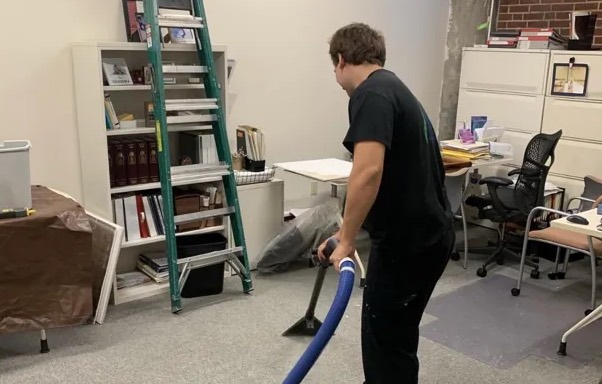
Clean Water Extraction (Category 1) for Washington Properties
Clean water does not stay clean forever. In Washington, water that sits for more than a day or two picks up dirt from floors and starts to support bacteria, which can turn it into a more serious category.
Homeowners in Washington can call (706) 810-5477 day or night when clean water floods a room. Service also covers Tignall, Sharon and Lincolnton, with the same extraction and drying steps.
The Clean Water Extraction (Category 1) Process for Properties in Washington
Clean Water Removal From Flooring
Water is followed under baseboards and thresholds into nearby rooms, so no wet flooring is missed.
Hard Surface Floor Drying
Laminate and vinyl plank are checked for water trapped beneath. Planks that cupped or lifted are noted for replacement.
Ceiling Leak Water Removal
The ceiling cavity is dried along with the room below, so both levels are back to normal before repairs.
Wet Carpet Water Extraction
Carpet pad is checked after extraction. Pad soaked through is often replaced, while the carpet above is floated and dried.
Appliance Leak Water Cleanup
Appliance leaks often spread under the appliance and into the subfloor. The appliance is pulled out so the area beneath can be dried.
Indicators for Professional Clean Water Extraction (Category 1) in Washington
Damp or Soft Drywall
Drywall that feels soft or damp near the floor has wicked up water from a leak.
Standing Water in Basement
Standing water on a basement floor from a pipe or appliance needs pumping before it soaks walls and stored items.
High Indoor Humidity
A room that feels damp or fogs windows after a leak still has wet materials releasing moisture.
Furniture in Wet Areas
Furniture sitting in wet areas can stain carpet and swell at the legs, and should be moved or blocked up.
How Clean Water Extraction (Category 1) Works in Washington
Step 1: Leak Identification and Control
The leaking line, appliance or fixture is found and shut off so no more water enters.
Step 2: Water Removal Process
Water is removed quickly while it is still clean, which keeps more materials salvageable.
Step 3: Dehumidification
Dehumidifiers pull moisture from the air so walls, floors and cabinets can dry evenly.
Step 4: Post-Drying Documentation
Photos, readings and drying logs are provided for your records and insurer.
Frequent Sources of Home Water Leaks in Washington
Appliance Malfunctions
Washers, dishwashers and refrigerators fail at hoses and fittings and leak onto the floor.
Burst or Leaking Pipes
Pipes can crack or burst from age, pressure or cold, releasing clean water into the house.
Plumbing Fixture Leaks
Faucets, valves and fixtures develop slow leaks that wet cabinets and floors over time.
AC Condensate Drain Clogs
A clogged AC condensate drain overflows clean condensate water into closets and ceilings.
Residential & Commercial Clean Water Extraction (Category 1) in Washington
Residential Clean Water Extraction (Category 1)
Homeowners often worry about hardwood floors. Clean water extracted quickly gives hardwood a good chance of being saved, with slow drying to limit cupping and cracking.
Commercial Clean Water Extraction (Category 1)
Property managers in apartment buildings see water heater and washer leaks between units. Each unit is extracted, dried and documented.
When to Hire Local Pros for Clean Water Extraction (Category 1) in Washington
If clean water has been sitting for more than a day, it may no longer be clean. Call local water extraction pros to check before deciding what can be dried.
Factors in Clean Water Extraction (Category 1) Pricing for Washington, GA
Appliance or plumbing repairs are separate from water extraction and drying. In Washington, both are usually needed after a leak.
Equipment Needs
The number of air movers, dehumidifiers and pumps needed, and for how long, drives much of the cost.
Material Saturation Level
Materials soaked through take longer to dry than materials that were only damp on the surface.
Access and Complexity
Crawl spaces, tight closets and areas under cabinets take more work to reach and dry.
Does Insurance Cover Clean Water Extraction (Category 1)?
Many homeowner policies cover sudden clean water damage from a burst pipe or appliance leak but not slow leaks or outside flooding. Check your policy and call your insurer early.
Advantages of Hiring Local Pros for Clean Water Extraction (Category 1) in Washington
Detailed Damage Documentation
Photos, readings and drying logs are kept to support your insurance claim.
24/7 Emergency Response
Help is available day or night, so clean water is extracted before it soaks deeper or gets dirtier.
Industry Drying Standards
Drying follows industry water damage standards, with readings taken at every visit.
Emergency Water Extraction for Washington
Night, weekend or holiday, local water extraction pros handle clean water leaks in Washington. Call (706) 810-5477 to get extraction and drying started.
Call Now (706) 810-5477Local Clean Water Extraction (Category 1) Areas Including Washington
The places below are also served, and each one has its own page.
- Clean Water Extraction (Category 1) in Tignall
- Clean Water Extraction (Category 1) in Sharon
- Clean Water Extraction (Category 1) in Lincolnton
- Clean Water Extraction (Category 1) in Crawfordville
- Clean Water Extraction (Category 1) in Warrenton
- Clean Water Extraction (Category 1) in Appling
- Clean Water Extraction (Category 1) in Dearing
- Clean Water Extraction (Category 1) in McCormick
- Emergency Damage Restoration in 30673
- Storm Damage Restoration in 30673
- Water Damage Restoration in 30673
- Water Extraction Service in 30673
- Water Leak Detection in 30673
- Water Removal Service in 30673
Clean Water Extraction (Category 1) FAQs for Washington Homeowners
Can wet carpets be saved after clean water extraction?
Often yes. Clean water extracted quickly means the carpet can usually be dried and kept, though the pad may be replaced.
What tools are used for home water extraction?
Submersible pumps, extractors, weighted carpet tools, air movers, dehumidifiers, moisture meters and thermal cameras.
What is emergency water mitigation?
Stopping the damage from growing by shutting off the water, extracting it, moving belongings and starting drying.
How is moisture detected after water extraction?
Moisture meters and thermal cameras check floors, walls and ceilings, comparing readings to dry, unaffected areas.
Are air movers and dehumidifiers always necessary?
For anything beyond a small surface spill, yes. The pros dry the water that soaked into carpet, walls and subfloors.