Waynesboro, GA · Burke County
Damage Restoration Services in Waynesboro, GAStructural Drying Services & Smoke Damage Cleanup
Get Damage Restoration Services in Waynesboro for emergency water extraction, sewage backup cleanup and storm damage repair.
Answered 24/7
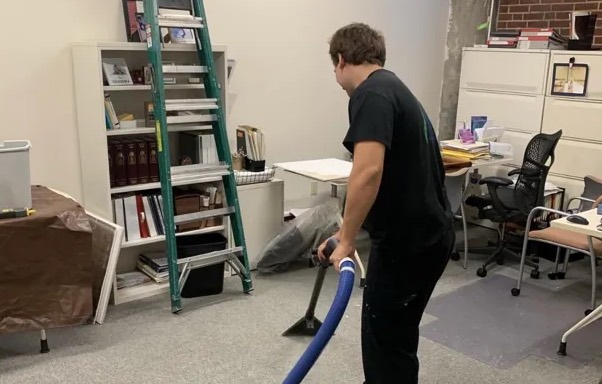
Professional Damage Restoration Services in Waynesboro, GA
The first day after water damage in Waynesboro matters most. Drywall wicks water upward, carpet pad breaks down and wood swells, and after a day or two the risk of microbial growth rises.
Homes and businesses in Waynesboro and nearby Vidette, Keysville and Hephzibah face water damage from plumbing, storms and sewer backups. Help with damage restoration services covers extraction, structural drying and cleanup after each.
Comprehensive Damage Restoration Services in Waynesboro
Structural Drying Services
The drying plan is adjusted each day, moving equipment from dry areas to areas that still read wet.
Smoke Damage Cleanup
After a kitchen or house fire, soot is cleaned from hard surfaces and fabrics, and lingering smoke odor is treated before repairs begin.
Firefighting Water Cleanup
The water side of a fire loss is handled first: extraction, removal of soaked materials and drying, with photos kept for insurance.
Emergency Water Extraction
Standing water from a leak, overflow or flood is pumped and extracted from floors, carpet and low spots as soon as the source is stopped.
Mold Remediation Services
The moisture source is found and stopped first, since mold returns if the area keeps getting wet.
Indicators Your Property Needs Damage Restoration Services
Warped Flooring or Baseboards
Flooring that cups or baseboards that swell have absorbed water from below or behind.
High Indoor Humidity Levels
A home that feels humid and clammy may have wet materials releasing moisture.
Discolored Walls or Ceilings
Stains or discoloration on walls and ceilings show water soaking in from a leak nearby or above.
Active Water Drips or Pools
Dripping water or pooling on floors means an active leak that needs attention now.
How Damage Restoration Services Work in Waynesboro
Step 1: Emergency Response and Containment
Help is available any hour, and wet or contaminated areas are closed off from the rest of the building.
Step 2: Source Removal and Extraction
The leak or backup is stopped, and water and soaked materials are removed.
Step 3: Cleaning and Deodorization
Surfaces touched by dirty water are cleaned and disinfected, and odors are addressed.
Step 4: Drying and Verification
Drying continues until readings match unaffected areas of the building, and then the equipment is removed.
Frequent Sources of Flood Damage Restoration Calls
Firefighting Water
Water from hoses and sprinklers used to put out a fire soaks rooms throughout the building.
Roof Leaks and Compromises
Damaged shingles, flashing and roof vents let rain into attics and ceilings.
Plumbing System Failures
Burst pipes, failed fittings and leaking supply lines release water inside walls and floors.
Foundation Cracks and Seepage
Foundation cracks let groundwater seep into lower levels and finished spaces after heavy rain.
Both Home and Business Damage Restoration Services in Waynesboro
Residential Damage Restoration Services
Homeowners often worry most about belongings. Furniture and keepsakes are moved out of the water first, then the structure is dried.
Commercial Damage Restoration Services
Property managers with several units or buildings get separate records for each, which keeps repairs and claims organized.
Damage Restoration Services vs. DIY: When to Call the Pros
Fans and open windows help surfaces dry, but hidden water inside walls and under floors needs dehumidifiers and moisture readings to confirm it is really gone.
Understanding Damage Restoration Services Cost in Waynesboro
The cost of damage restoration services in Waynesboro depends on how much water there is, what type of water it is and how many rooms and materials it reached.
Structural Drying Time
Drying usually takes several days, and each day of equipment adds cost.
Emergency Service Timing
Night, weekend and holiday calls can cost more than a scheduled weekday visit.
Required Equipment
The number of pumps, extractors, air movers and dehumidifiers needed affects the total.
Does Insurance Cover Damage Restoration Services?
Many homeowner policies cover sudden water damage, like a burst pipe or appliance leak, but exclude slow leaks, outside flooding and sometimes sewer backups. Check your policy early.
Advantages of Hiring Local Pros for Damage Restoration Services in Waynesboro
Odor Control
Odors are handled by drying and removing wet materials, with deodorizing where needed.
Contents Care
Furniture and belongings are moved, protected and listed so they can be dried or claimed.
Careful Material Removal
Only materials that cannot be dried are removed, which keeps repairs smaller.
Round-the-Clock Damage Restoration Services Response in Waynesboro
If a ceiling is sagging or water is near outlets, leave the room and shut off power if it is safe. Then call (706) 810-5477 for help in Waynesboro.
Call Now (706) 810-5477Damage Restoration Services Coverage for the Waynesboro Region
Need damage restoration services outside Waynesboro? Service also covers Vidette, Keysville and Hephzibah, including emergency help after storms.
- Damage Restoration Services in Vidette
- Damage Restoration Services in Keysville
- Damage Restoration Services in Hephzibah
- Damage Restoration Services in Sardis
- Damage Restoration Services in Girard
- Damage Restoration Services in Blythe
- Damage Restoration Services in Jackson
- Damage Restoration Services in Midville
- Emergency Damage Restoration in 30830
- Storm Damage Restoration in 30830
- Water Damage Restoration in 30830
- Water Extraction Service in 30830
- Water Leak Detection in 30830
- Water Removal Service in 30830
Common Damage Restoration Services Queries Answered
What items can be saved after water damage?
Hard items and solid wood often can. Items soaked by sewage or floodwater, especially soft ones, usually cannot.
How are odors handled after water damage?
By removing wet materials and drying the structure fully. Deodorizing is used if a smell remains.
What is controlled removal during water damage restoration?
Cutting out only the drywall, flooring or insulation that readings show cannot be dried in place.
What does following industry drying standards mean?
Using moisture readings to guide drying and confirming materials are dry before equipment is removed.
What is the goal of water damage recovery?
To remove the water, dry the structure fully and leave it ready for repairs without hidden moisture.