Harrison, GA · Washington County
Hydrostatic Pressure Water Removal in Harrison, GAGroundwater Intrusion Mitigation & Slab Seepage Water Removal
Hydrostatic Pressure Water Removal in Harrison covers groundwater intrusion mitigation, wet subfloor removal and crawl space water extraction.
Answered 24/7
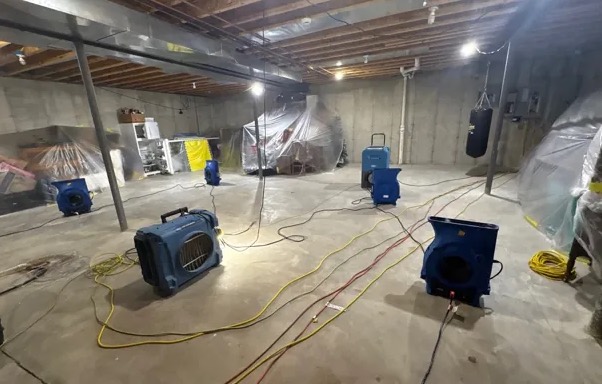
Hydrostatic Pressure Water Removal Solutions for Harrison Homes
Water that keeps coming up through a slab damages flooring and keeps the lower level damp. Removing it is the water side of the job, and a structural check is a separate step for a contractor.
In Harrison and nearby Riddleville, Tennille and Sandersville, soaked soil can push water into basements and crawl spaces. Local hydrostatic pressure experts extract the water and dry the structure.
Detailed Hydrostatic Pressure Water Removal Methods
Groundwater Intrusion Mitigation
Dealing with groundwater means removing what got in and drying the space. The pros also point out grading or drainage problems outside that a contractor can fix.
Slab Seepage Water Removal
Slab seepage water removal clears water that soil pressure forces through joints and cracks in the slab, then the flooring and baseboards are checked with moisture meters.
Structural Drying After Intrusion
After water is pushed inside, air movers and dehumidifiers dry the wood, concrete and drywall it reached so rot and mold do not start.
Wet Subfloor Removal
Subfloor that stayed soaked after a groundwater flood may have to be removed. The water is extracted, the damaged sections cut out and the area dried for new material.
Sump Pump Failure Cleanup
The cleanup process removes all water, cleans the pit, and ensures the area is dry before a new pump is installed or the existing one is repaired.
Signs of Hydrostatic Pressure Water Damage in Harrison
Rusted Metal in Foundation Area
Unexpected rust on support posts, pipes or appliances in the basement means the space has stayed damp for a while.
Mold on Baseboards
Mold along baseboards or lower walls points to ongoing moisture coming through the foundation.
Damp or Musty Odors in Basement
A constant musty smell in the lower level often means groundwater is getting in somewhere.
Spongy or Soft Spots on Floors
Damp spots or lifting flooring on a slab can mean water is coming up from below.
How Hydrostatic Pressure Water Removal Works in Harrison
Step 1: Initial Pressure Evaluation
The pros look at where the water came in and how wet the soil-side walls and floor are.
Step 2: Sub-Slab Water Removal
Using specialized extraction tools, pros remove water trapped beneath concrete slabs and flooring.
Step 3: Targeted Structural Drying
Drying equipment is aimed at framing, joists and sill plates so the structure dries all the way through.
Step 4: Documentation for Insurance
Moisture readings, photos and notes on the work are put together for your insurance claim.
Common Causes of Water Damage in Harrison
Heavy or Prolonged Rainfall
Long periods of rain soak the soil, and the water presses against the foundation until it finds a way in.
Plumbing Leaks Under the Slab
A broken water line under the slab keeps feeding water up through the floor.
Poor Exterior Drainage Systems
Clogged gutters, downspouts and poor grading send water toward the foundation, where it builds pressure in the soil.
Failed or Missing Waterproofing
Worn exterior coatings or membranes let groundwater reach the foundation wall directly.
Hydrostatic Pressure Water Removal for Foundation Protection
Residential Hydrostatic Pressure Water Removal
In homes, groundwater pushed through a wall or slab can soak flooring and drywall. Fast extraction and drying keep the damage from spreading to walls and stored items.
Commercial Hydrostatic Pressure Water Removal
Restaurants, medical offices, and other sensitive environments require meticulous groundwater extraction and sanitization after water intrusion. Specialized water removal pros ensure these spaces meet strict hygiene standards.
Hydrostatic Pressure Water Removal vs. DIY: When to Call the Pros
Clearing gutters and extending downspouts away from the foundation are good steps to reduce water at the walls. If water is already coming in, call (706) 810-5477 for extraction and drying.
Budgeting for Hydrostatic Pressure Water Removal in Harrison
In Washington County, the cost of foundation water removal depends on the source, such as seepage through a slab or a large crack letting water in.
Mitigation Measures
Drainage or waterproofing work to stop water from returning is a separate cost from the water removal.
Water Source Type
A slow slab seep and a sudden flood through a wall crack need different approaches and equipment.
Affected Area Size
Larger flooded areas or large wet subfloors need more equipment and more days of drying.
Does Insurance Cover Hydrostatic Pressure Water Removal?
Coverage for crawl space water often depends on the cause, such as groundwater versus a plumbing leak. The experts in Washington County document the water and damage for you to send to your insurer.
Advantages of Hiring Local Pros for Hydrostatic Pressure Water Removal in Harrison
Controlled Demolition Protocols
Only subfloor and materials that cannot be dried are removed, which keeps the repair smaller.
Focused Mitigation Planning
You get notes on where water came in, so you can plan drainage work with a contractor.
IICRC-Standard Drying Methods
Drying the structure fully after water intrusion protects the foundation and framing from lasting damage.
Round-the-Clock Hydrostatic Pressure Water Removal in Harrison, GA
If water is coming into your basement now, call (706) 810-5477 day or night. The experts in Harrison can start extraction to limit the damage.
Call Now (706) 810-5477Hydrostatic Pressure Water Removal Near Harrison: Areas Served
From slab seepage to water through foundation cracks, the experts work in Harrison and nearby Riddleville, Tennille and Sandersville.
- Hydrostatic Pressure Water Removal in Riddleville
- Hydrostatic Pressure Water Removal in Tennille
- Hydrostatic Pressure Water Removal in Sandersville
- Hydrostatic Pressure Water Removal in Davisboro
- Hydrostatic Pressure Water Removal in Oconee
- Hydrostatic Pressure Water Removal in Bartow
- Hydrostatic Pressure Water Removal in Wadley
- Hydrostatic Pressure Water Removal in Louisville
- Emergency Damage Restoration in 31035
- Storm Damage Restoration in 31035
- Water Damage Restoration in 31035
- Water Extraction Service in 31035
- Water Leak Detection in 31035
- Water Removal Service in 31035
Hydrostatic Pressure Water Removal FAQs
What steps are in flooded foundation cleanup?
Extraction, removal of mud and debris, cleaning of surfaces and full drying of the basement structure.
How is hydrostatic pressure measured during flooding?
It is not measured directly. The depth of water and how fast it comes in show how much pressure the soil is putting on the foundation.
What is included in structural water damage restoration?
Water extraction, drying, cleaning and replacing materials that groundwater or flood water damaged beyond drying.
Why is subfloor drying services important after flooding?
Drying the subfloor keeps it from rotting and growing mold, which protects the floor system above it.
When is wet subfloor removal necessary?
When wood subflooring is so soaked that it cannot be dried, it is removed to prevent rot and a weak floor.