Augusta, GA · Richmond County
Mold Removal in Augusta, GAMold Inspection Services & Post-Flood Mold Remediation
Mold Removal in Augusta covers mold inspection services, bathroom mold cleanup and air duct mold cleaning.
Answered 24/7
Mold Removal and Mold Inspection in Augusta
In Augusta, mold problems often follow a roof leak, plumbing leak or flood that was not fully dried. Finding that old water damage is the first step.
Mold problems in Augusta homes range from a moldy bathroom ceiling to mold behind walls after a flood. Local mold removal experts handle both, along with properties in North Augusta, Belvedere and Martinez.
What Mold Removal Covers in Augusta, GA
Mold Inspection Services
If you smell mold but cannot see it, an inspection checks common hiding spots such as under sinks, behind toilets, in attics and around windows.
Post-Flood Mold Remediation
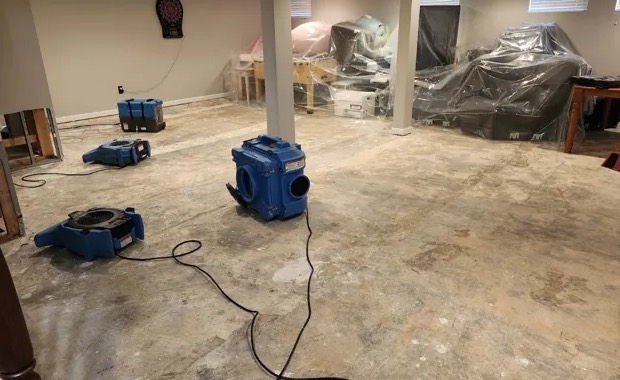
Mold can start within a day or two after flooding if materials stay wet. The pros remove soaked drywall and flooring, clean the framing and dry the structure.
Bathroom Mold Cleanup
Mold that keeps returning on a bathroom ceiling often means poor ventilation. The pros clean the area and check whether moisture is getting into the drywall.
Mold Odor Elimination
Odor treatment works only after the moldy material is gone. The pros remove the source, dry the area and use air filtration to clean the air.
Attic Mold Removal
Attic mold often shows as dark staining on the underside of the roof deck. Affected wood is cleaned, wet insulation is removed and airflow problems are noted for repair.
Signs of Mold Damage in Augusta Homes
Warped Floors or Swollen Trim
Wood floors that cup and trim that swells have absorbed moisture. Mold can grow underneath before anything is visible.
Allergy Symptoms Indoors
Sneezing, coughing or itchy eyes that ease when you leave the house can be a sign of mold. A doctor can tell you more.
Peeling Paint or Bubbling Drywall
Paint that bubbles or peels and drywall that feels soft point to moisture inside the wall, which mold needs to grow.
Past Water Damage That Was Not Dried
A leak or flood that was mopped up but not dried with equipment can leave moisture in walls and floors, where mold grows later.
How Mold Removal Works in Augusta
Step 1: Attic and Crawl Space Inspection
The pros check sheathing, joists and insulation for mold and look for roof leaks, vents or plumbing problems.
Step 2: Removing Moldy Insulation
Wet or moldy insulation and vapor barrier are bagged and removed so the framing can be reached.
Step 3: Cleaning the Framing
Mold on rafters, joists and sheathing is cleaned off with brushes and HEPA vacuums.
Step 4: Fixing Moisture Conditions
The pros explain what caused the moisture, such as a roof leak or poor airflow, and what needs repair.
What Leads to Mold Damage in Augusta
Slow Plumbing Leaks
Drips under sinks, behind toilets and inside walls can go unnoticed for months, keeping wood and drywall wet enough for mold to grow.
Appliance Leaks
Leaking dishwashers, washing machines and refrigerator water lines soak floors and cabinets, often out of sight.
Roof Leaks
Rain getting through damaged shingles or flashing wets attic insulation and sheathing, and mold often follows on the roof deck and framing.
Basement Seepage
Water seeping through foundation cracks keeps basement walls and floors damp, which leads to mold on drywall, framing and stored boxes.
Mold Removal for Every Property Type
Residential Mold Removal
Homeowners get an inspection, containment of the moldy area, removal of damaged drywall or flooring and cleaning of the framing behind it.
Commercial Mold Removal
Commercial buildings get the same process at a larger scale, with containment sized to the space and air filtration to protect nearby areas.
DIY Mold Removal Risks in Augusta
Small areas of surface mold, about the size of a doormat or less, on tile or a window frame can be cleaned with soap and water. Call local mold removal experts for larger areas, mold inside walls or mold after a flood.
What Affects Mold Removal Cost in Augusta
Small, easy-to-reach mold costs far less to remove than mold spread through walls, an attic or a crawl space. An inspection sets the scope first.
Hidden Moisture
If the leak is still active or materials are still wet, drying adds days of equipment time before the job is finished.
Size of the Moldy Area
A small patch in one room takes far less time, containment and disposal than mold spread across several rooms or a whole attic.
Containment Needed
Larger jobs need plastic sheeting, negative air machines and air scrubbers, which add setup time and equipment cost.
Does Insurance Cover Mold Removal?
Coverage depends on your policy and the cause of the moisture. The pros can provide records of the work, but only your insurer can confirm what is covered.
Benefits of Local Mold Removal in Augusta
Honest Advice on Small Jobs
If the mold is small and on a hard surface, the pros can tell you when it is safe to clean it yourself.
Moisture Meters and Thermal Cameras
These tools show wet areas inside walls and under floors, which is where hidden mold usually grows.
Records for Your Insurer
Photos, readings and a written scope document the mold, the moisture source and the work done.
Round-the-Clock Mold Removal for Augusta
Visible mold after a flood in Augusta? Keep children and pets away from the area and call (706) 810-5477 for help, 24 hours a day.
Call Now (706) 810-5477Mold Removal Coverage in Augusta, North Augusta, Belvedere and Martinez
Homes and businesses in North Augusta, Belvedere and Martinez can get the same inspection, containment and removal as properties in Augusta.
Mold Removal Questions and Answers
Why does my basement smell musty?
A musty basement usually has damp walls, high humidity or seepage, and mold may be growing on walls, framing or stored items.
What causes a musty smell in the house?
Usually mold or damp materials somewhere out of sight, such as inside walls, under carpet, in the crawl space or in ducts.
Does homeowners insurance cover mold removal?
Sometimes, when mold comes from a sudden covered water event. Mold from long-term leaks or humidity is often excluded. Check your policy.
How long does mold remediation take?
Small jobs can take a day or two. Larger areas, plus drying time, can take several days to a week or more.
How do I know if I have mold?
Visible spots, a musty smell, past water damage and stains on walls or ceilings are the most common signs. An inspection can confirm it.