Trusted by 180+ Homeowners
Septic Tank Backup Water Removal in Allendale, SC
- Over 184 5-Star Reviews
- Free Estimates and Quotes
- 100% Satisfaction Guaranteed
- Child, Family & Pet Safe Steps
- 24-Hour Emergency Service
- Fully Licensed & Insured

Don’t Let Septic Tank Backup Water Damage Your Home in Allendale, SC
Did you know that septic tank backup water damage is one of the most common and costly issues in the Allendale, SC area? In fact, according to industry estimates, over 50% of homeowners in the area will experience a septic tank backup at some point in their lives. Our team has seen firsthand the devastating effects of septic tank backup water damage, which is why we’re dedicated to helping you prevent and mitigate this type of damage.
Our team has helped over 165 homeowners in the Allendale, SC area with their septic tank backup water removal needs, and we’ve earned a reputation for our expertise, professionalism, and exceptional customer service. We understand that dealing with a septic tank backup can be stressful and overwhelming, which is why we’re here to guide you through the process every step of the way.
- We’ll help you document the damage and work with your insurance company to ensure you get the compensation you deserve.
- We’ll use the latest equipment and techniques to safely and efficiently remove the water and restore your home to its original condition.
- We’ll work with you to develop a customized plan to prevent future septic tank backups and keep your home safe and dry.
How We Handle Septic Tank Backup Water Removal
Our team follows a meticulous process to ensure that every septic tank backup water removal job is done right the first time. We start by assessing the damage and identifying the root cause of the backup. From there, we’ll develop a customized plan to remove the water, dry out your home, and restore it to its original condition.
Step 1: Assessment and Planning
Our team will assess the damage and identify the root cause of the septic tank backup. We’ll also take note of any safety hazards, such as standing water or electrical issues. Our goal is to develop a comprehensive plan to safely and efficiently remove the water and restore your home.
Step 2: Water Removal
We’ll use our state-of-the-art equipment to safely and efficiently remove the water from your home. Our team will work quickly to reduce the amount of time your home is affected, and we’ll keep you updated on our progress every step of the way.
Step 3: Drying and Dehumidification
Once the water has been removed, our team will use specialized equipment to dry out your home and prevent further damage. We’ll also use dehumidification techniques to remove any remaining moisture and prevent mold growth.
Step 4: Restoration and Repair
Our team will work with you to develop a customized plan to restore your home to its original condition. We’ll repair any damaged walls, floors, and ceilings, and we’ll also replace any damaged insulation and drywall.
Step 5: Final Inspection and Cleanup
Once the restoration and repair work is complete, our team will conduct a final inspection to ensure that your home is safe and dry. We’ll also clean up any remaining debris and dispose of it properly.
Don’t wait until it’s too late, call us today to schedule your septic tank backup water removal service and let us help you get your home back to normal.
Warning Signs You Need Septic Tank Backup Water Removal
Ignoring the warning signs of a septic tank backup can lead to costly and devastating damage to your home. Here are some common warning signs to look out for:
Musty Odors That Won’t Go Away
Strong, unpleasant odors in your home or yard can be a sign of a septic tank backup. If you notice a musty smell that won’t go away, it’s time to call us for help.
Slow Drains and Clogged Pipes
Slow drains and clogged pipes can be a sign of a septic tank backup. If you notice that your drains are slower than usual or that your pipes are clogged, it’s time to call us for help.
Backed-Up Toilets and Sinks
Backed-up toilets and sinks can be a sign of a septic tank backup. If you notice that your toilets or sinks are backing up, it’s time to call us for help.
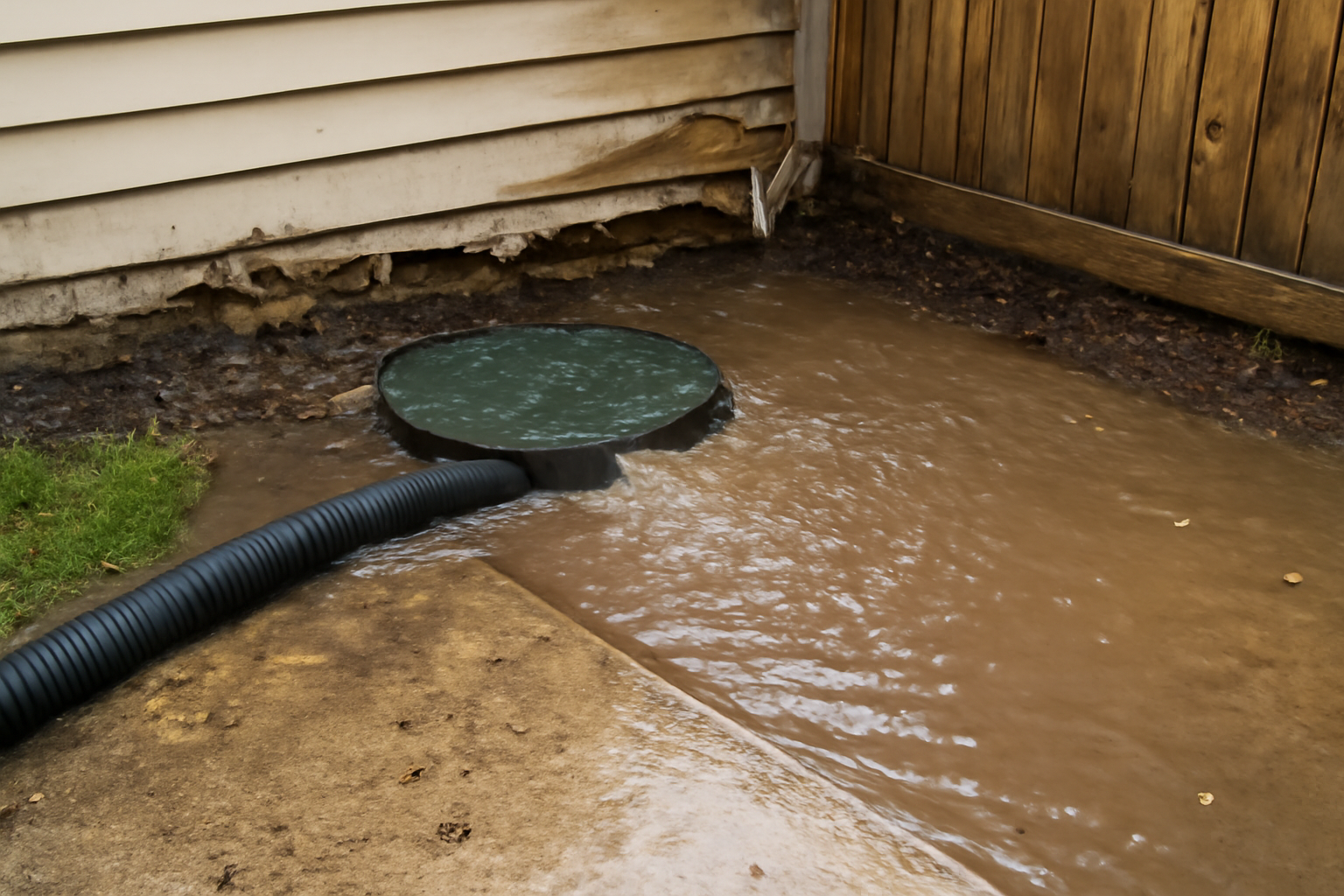
Standing Water in the Yard
Standing water in the yard can be a sign of a septic tank backup. If you notice standing water in your yard, it’s time to call us for help.
Mold and Mildew Growth
Mold and mildew growth can be a sign of a septic tank backup. If you notice mold or mildew growth in your home, it’s time to call us for help.
Unusual Sounds and Noises
Unusual sounds and noises, such as gurgling or bubbling, can be a sign of a septic tank backup. If you notice unusual sounds and noises, it’s time to call us for help.
Septic Tank Backup Water Removal vs. DIY: When To Call a Professional
| Situation | DIY? | Call a Pro? | Why |
|---|---|---|---|
| You’re dealing with a small septic tank backup in a contained area. | Yes | No | DIY methods can be effective for small, contained areas. |
| You’re experiencing a large septic tank backup that’s affecting multiple areas of your home. | No | Yes | A large septic tank backup needs specialized equipment and expertise to safely and efficiently remove the water. |
| You’re unsure of the cause of the septic tank backup or how to fix it. | No | Yes | A professional can help you identify the cause of the backup and develop a customized plan to fix it. |
| You’re dealing with a septic tank backup that’s affecting your health or safety. | No | Yes | A septic tank backup can pose serious health and safety risks, including the risk of electrical shock, mold growth, and waterborne illnesses. |
| You’re on a tight budget and want to save money by doing the job yourself. | Maybe | No | While DIY methods can be effective, they can also be time-consuming and may need specialized equipment and expertise. In the long run, hiring a professional may save you money and ensure the job is done right the first time. |
Don’t risk your health, safety, and finances by trying to handle a septic tank backup yourself. Call us today to schedule your service and let us help you get your home back to normal.
Septic Tank Backup Water Removal Cost in Allendale, SC
The cost of septic tank backup water removal in Allendale, SC can vary depending on the severity of the damage, the size of the affected area, and local conditions. On average, the cost can range from $500 to $2,500 or more. Factors that can affect the cost include:
| Service | Typical Price Range | What Affects Cost |
|---|---|---|
| Water Removal | $500 – $2,000 | Size of affected area, amount of water, and equipment needed. |
| Drying and Dehumidification | $200 – $1,000 | Size of affected area, type of equipment needed, and duration of drying process. |
| Restoration and Repair | $1,000 – $5,000 | Size of affected area, type of materials needed, and complexity of repair. |
| Final Inspection and Cleanup | $100 – $500 | Size of affected area, type of equipment needed, and duration of cleanup process. |
Keep in mind that these are estimated price ranges, and the actual cost of septic tank backup water removal in Allendale, SC may vary depending on your specific situation. We offer free estimates and consultations to help you understand the cost and scope of the project.
Service Areas Near Allendale, SC
We serve the following nearby communities:
Estill, SC, Fairfax, SC, Jenkinsville, SC, Leesville, SC, Little Mountain, SC, Monetta, SC, Norway, SC, Peak, SC, Saluda, SC, Ward, SC, Whitmire, SC, Winnsboro, SC, Batesburg-Leesville, SC, Chapin, SC, Gilbert, SC, Gray Court, SC, Kershaw, SC, Lugoff, SC, Pelion, SC, Swansea, SC, Woodruff, SC.
Common Questions About Septic Tank Backup Water Removal
Q: How long does septic tank backup water removal typically take?
A: The length of time it takes to remove septic tank backup water depends on the size of the affected area, the amount of water, and the complexity of the job. On average, it can take anywhere from a few hours to several days to complete the job.
Q: Will my insurance cover the cost of septic tank backup water removal?
A: It’s possible that your insurance may cover the cost of septic tank backup water removal, but it depends on the specifics of your policy and the circumstances surrounding the damage. We recommend checking with your insurance company to find out what’s covered and what’s not.
Q: Can I prevent septic tank backups by regularly maintaining my septic system?
A: Yes, regular maintenance can help prevent septic tank backups. We recommend having your septic system inspected and pumped regularly to ensure it’s functioning properly. We also recommend being mindful of what you flush down the toilet and drain, as certain items can cause backups.
Q: Will I need to replace my septic system after a backup?
A: It’s possible that you may need to replace your septic system after a backup, depending on the severity of the damage and the age of the system. We recommend having a professional inspect your system to find out the best course of action.
Check Our Other Relevant Services

Gerard Ricci is a seasoned recovery specialist with over 20 years of hands-on experience in the property restoration industry. As a licensed expert, he has dedicated his career to helping homeowners and businesses navigate the complexities of property loss with technical precision and genuine empathy.
𝗣𝗿𝗼𝗳𝗲𝘀𝘀𝗶𝗼𝗻𝗮𝗹 𝗘𝘅𝗽𝗲𝗿𝘁𝗶𝘀𝗲
Gerard’s deep industry knowledge is backed by rigorous training and a commitment to high standards. He holds multiple advanced IICRC certifications, including Water Damage Restoration, Applied Microbial Remediation (Mold), Applied Structural Drying, Odor Control, and Fire and Smoke Restoration.
𝗕𝗲𝘀𝘁 𝗣𝗮𝗿𝘁 𝗼𝗳 𝘁𝗵𝗲 𝗝𝗼𝗯
For Gerard, the true reward is seeing the relief on a client’s face when their property is finally restored. He prides himself on being a calming presence during stressful times, ensuring every project is handled with transparency and care.
𝗙𝗮𝘃𝗼𝗿𝗶𝘁𝗲 𝗣𝗮𝘀𝘁𝗶𝗺𝗲𝘀
When he isn’t on a job site, Gerard enjoys restoring vintage furniture, hiking local trails, and spending quality time with his family.


