Louisville, GA · Jefferson County
Sewage Water Extraction in Louisville, GABlack Water Extraction & Sewage Odor Removal
Sewage Water Extraction in Louisville covers flooded basement cleanup, black water extraction, sewage damage sanitization and sewage odor removal.
Answered 24/7
Help With a Sewage Backup in Louisville
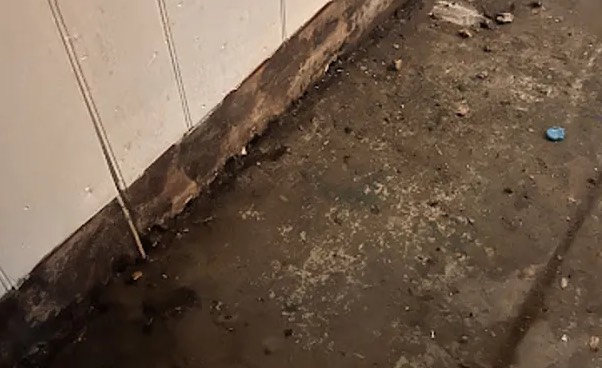
Sewage carries bacteria and viruses, so a backup is not a normal water cleanup. Wet carpet, pad and drywall that sewage touched usually cannot be saved.
Sewage water extraction is available in Louisville and nearby Bartow, Wadley and Vidette. The pros handle toilet overflows, floor drain backups and main line backups in homes and businesses.
Sewage Water Extraction Work in Louisville
Black Water Extraction
Sewage is category 3 water, also called black water. It is removed with extractors and pumps that discharge to a drain or holding tank, not onto the yard.
Sewage Odor Removal
The smell comes from waste left in porous materials. Removing those materials and cleaning the hard surfaces does most of the work.
Emergency Sewage Pump Out
Pump-out is the first step when sewage covers more than one room. Extraction and cleaning follow once the bulk water is gone.
Sewage Damage Sanitization
Sanitizing follows cleaning, not the other way around. Disinfectant does not work well on surfaces still coated with waste.
Contaminated Flooring Removal
Laminate, vinyl plank and wood floors that sewage seeped under are lifted so the subfloor can be cleaned, disinfected and dried.
When a Drain Problem Becomes a Sewage Cleanup
Wet Drywall Near Bathrooms
Damp, stained or soft drywall next to a bathroom or laundry can mean a leaking drain inside the wall.
Toilet Water Level Changes
A toilet bowl that rises, drops or bubbles by itself can mean pressure in the drain line from a partial blockage.
Slow Drains Throughout the House
When several drains slow down at once, the main line is often partly blocked and a backup may be close.
Water in the Yard Cleanout
Water standing in or overflowing from the sewer cleanout pipe outside means the sewer pipe is blocked past that point.
How Sewage Water Extraction Works in Louisville
Step 1: Contain the Area
The affected rooms are closed off and protective coverings are laid so sewage is not tracked into clean areas.
Step 2: Emergency Sewage Pump Out
Deep water is pumped out first with pumps that handle solids, then extractors remove what is left on the floor.
Step 3: Sewage Damage Sanitization
Every surface the sewage touched is cleaned with detergent and then treated with a registered disinfectant.
Step 4: Odor Control and Drying
Air scrubbers and dehumidifiers run until surfaces read dry and the sewage smell is gone.
What Causes Sewage Backups in Louisville Homes
Heavy Storm Runoff
Storm water that gets into sewer lines through cracks or illegal connections can overwhelm them and cause backups.
Grease Buildup
Cooking grease poured down drains hardens inside pipes, narrows them and leads to backups at the lowest fixture.
Tree Root Intrusion
Roots grow into joints and cracks in older sewer lines, catch waste and eventually block the line completely.
Collapsed or Sagging Pipe
Old pipes can crack, sag or collapse as soil shifts, leaving low spots where waste collects and blocks the flow.
Sewage Water Extraction for Every Property in Louisville, GA
Residential Sewage Water Extraction
Families with young children, older adults or anyone with health problems should stay away from the area until cleanup and disinfection are finished.
Commercial Sewage Water Extraction
Commercial kitchens and food businesses need floors, drains and nearby surfaces cleaned and disinfected before they can be used again.
DIY Limits After a Sewage Backup in Louisville
Household mops, wet-dry vacuums and bleach are not enough for sewage. Waste soaks into porous materials, and bleach does not clean surfaces still coated with it.
Factors in Sewage Cleanup Cost in Louisville
In Louisville, the main cost drivers after a sewage backup are pump-out, material removal and disposal, disinfection and drying time.
Materials Removed
Carpet, pad, drywall, insulation and cabinets touched by sewage are removed and disposed of, which adds to the cost.
Access and Layout
Tight crawl spaces, finished floors and spaces under cabinets take longer to clean than an open concrete floor.
Time Before Cleanup
Sewage that sat for a day or more soaks deeper and leaves stronger odor, so more material comes out and drying takes longer.
Does Insurance Cover Sewage Water Extraction?
If you have backup coverage, it may pay for extraction, cleanup and replacement of damaged materials up to a limit. Your insurer decides what is covered.
What Local Pros Bring to a Sewage Backup
Proper Disposal
Sewage and contaminated materials are removed and disposed of properly, not pumped onto the yard or left in the trash.
Odor Removed at the Source
Removing soaked materials and treating the surfaces underneath deals with the cause of the smell, not just the air.
Homes and Businesses
The same cleanup steps apply to houses, condos, restaurants and offices, scaled to the size of the backup.
Around-the-Clock Sewage Water Extraction in Louisville
If a toilet or floor drain is overflowing with sewage right now, shut off water use in the house and call (706) 810-5477. Help is available day and night.
Call Now (706) 810-5477Sewage Water Extraction Service Area Around Louisville
Local water removal experts cover Louisville and surrounding communities including Bartow, Wadley and Vidette for sewage backup cleanup, disinfection and drying.
- Sewage Water Extraction in Bartow
- Sewage Water Extraction in Wadley
- Sewage Water Extraction in Vidette
- Sewage Water Extraction in Davisboro
- Sewage Water Extraction in Wrens
- Sewage Water Extraction in Avera
- Sewage Water Extraction in Stapleton
- Sewage Water Extraction in Midville
- Emergency Damage Restoration in 30434
- Storm Damage Restoration in 30434
- Water Damage Restoration in 30434
- Water Extraction Service in 30434
- Water Leak Detection in 30434
- Water Removal Service in 30434
Common Questions After a Sewage Backup
Is bleach enough to clean up sewage?
No. Bleach does not work well on surfaces still covered in waste, and it cannot clean porous materials. Removal and proper cleaning come first.
Does homeowners insurance cover sewage backups?
Many policies cover them only with a sewer or water backup endorsement. Check your policy and talk to your insurer about the claim.
What does sewage cleanup cost?
It depends on how much sewage there is, how many rooms it reached and what must be removed. The pros give a price after seeing the damage.
Will the sewage smell go away?
Yes, once soaked materials are removed and surfaces are cleaned and disinfected. Air scrubbers remove what lingers in the air.
What is sewage water extraction?
It is the removal of sewage and dirty water from a building, followed by removing soaked materials, cleaning, disinfecting and drying.