Deepstep, GA · Washington County
AC Unit Water Removal in Deepstep, GAAir Conditioner Restoration Services & AC Leak Water Cleanup
AC Unit Water Removal in Deepstep runs from emergency AC water removal and AC leak water cleanup to air conditioner restoration services.
Answered 24/7
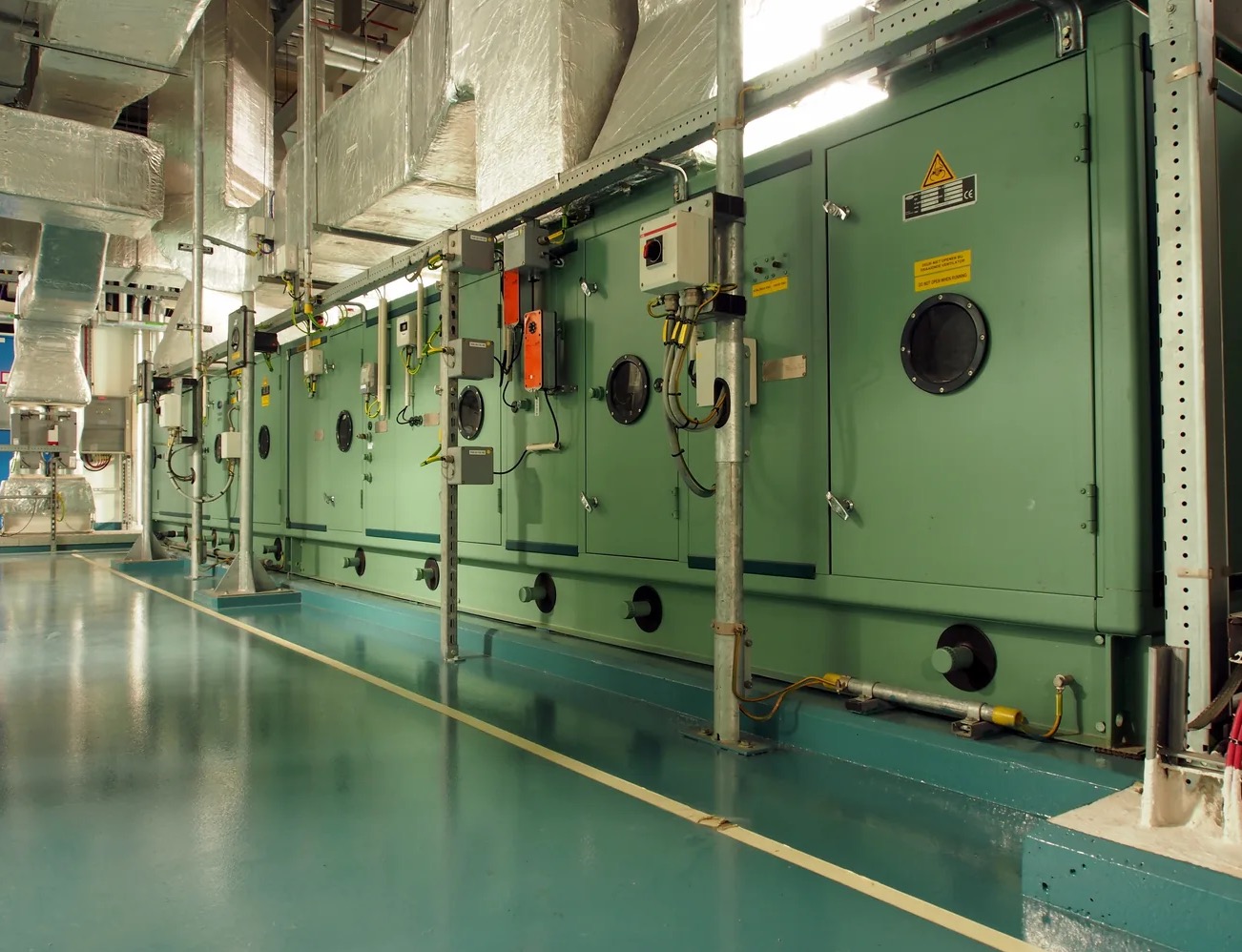
Trusted AC Unit Water Removal for Deepstep Residents
An air conditioner pulls gallons of water out of the air on a hot day. When the drain line clogs or the pan cracks, that water lands on ceilings, walls and floors in Deepstep homes instead of draining outside.
Property owners in Deepstep can call (706) 810-5477 day or night when an air handler starts leaking. Service also covers Sandersville, Tennille and Oconee, with the same extraction, drain clearing and drying process for attic, closet and garage units in houses, condos and apartments.
Detailed AC Unit Water Removal Offerings for Deepstep
Air Conditioner Restoration Services
Work finishes with cleanup and a check that the unit drains properly, so the leak does not return.
AC Leak Water Cleanup
Cleanup starts at the drain pan and works outward, removing pooled water and wet debris so drying can begin.
AC Condensate Drain Clearing
Clearing the line stops the overflow at its source. Without it, the pan refills and the leak returns within days.
Wet AC Unit Component Drying
Damp insulation inside the cabinet holds water for a long time. It is dried in place or replaced if it stays wet.
AC Leak Mold Prevention
Once materials are dry, an EPA-registered antimicrobial can be applied to wet wood and drywall near the unit to slow microbial growth.
Signs of AC Water Damage Requiring Removal
High Indoor Humidity Levels
Rooms that feel clammy while the AC runs may mean water is not draining and is evaporating back into the air.
Musty Odors From Vents
A musty smell when the AC starts often means standing water in the pan or wet insulation in the ducts.
AC System Shuts Off
Many units have a float switch that shuts the system off when the pan fills. If the AC stops cooling, check the pan.
AC Drain Pan Overflow
Water at the rim of the drain pan, or in the secondary pan, means the condensate line is blocked.
How AC Unit Water Removal Works in Deepstep
Step 1: Leak Assessment
The pros find the source of the leak, check how far the water spread and take moisture readings.
Step 2: Source Stop and Water Removal
The drain is cleared or the leaking part isolated, then standing water is extracted from every wet area.
Step 3: System Drying and Dehumidification
Drying equipment runs until walls, floors and insulation test dry, with readings taken at each visit.
Step 4: Verification and Restoration
Final readings confirm the materials are dry, then damaged drywall, trim or ceiling panels can be replaced.
Common Causes of AC Unit Water Damage in Deepstep
Excess Outdoor Humidity
Very humid air makes the coil produce more water than a partly clogged drain can carry.
Damaged AC Drain Pan
Metal pans rust through and plastic pans crack with age, letting water drip straight through.
Disconnected Drain Line
A drain line knocked loose in the attic or closet empties condensate onto the ceiling or floor.
Improper AC Unit Installation
A unit that is not level, or a drain line without enough slope, lets water pool instead of draining.
AC Unit Water Removal Services for All Properties in Deepstep
Residential AC Unit Water Removal
For homeowners, the main risk is water soaking into insulation and drywall where no one sees it. Moisture meters find that hidden water so it can be dried before it causes rot.
Commercial AC Unit Water Removal
For property managers, one leaking unit can affect several suites or the floor below. Each wet area is extracted, dried and documented for the owner and insurer.
AC Unit Water Removal vs. DIY: When to Call the Pros
DIY works for a small puddle on tile that you catch right away and wipe dry. Wet carpet and pad, or drywall that feels soft, usually need professional extraction and drying equipment to dry fully.
AC Unit Water Removal Cost in Deepstep, GA
An attic unit that leaked all night costs more to fix than a closet leak caught the same day. In Deepstep, calling early is the simplest way to keep the bill down.
Preventative Treatment Scope
Antimicrobial treatment is an optional step, priced by the size of the area treated.
Required Drying Time
Dense materials and enclosed spaces take longer to dry, which means more equipment days.
Leak Source and Severity
A slow drip near the closet costs less to fix than an attic overflow that soaked a ceiling and the room below.
Does Insurance Cover AC Unit Water Removal?
Photos, moisture readings and a written scope from local air conditioner restoration pros help support an insurance claim for AC water damage in Deepstep. Keep copies of everything you send your adjuster, along with your own photos.
Benefits of Local Pros for AC Unit Water Removal in Deepstep
Leak Source Identification
The pros trace the leak to its source, whether that is a clog, a cracked pan or a failed pump.
Clear Process Communication
Each step is explained before work starts, so you know what is being removed and why.
Drain Pan Extraction
Both the main pan and the safety pan are emptied and checked for damage.
24/7 Emergency AC Unit Water Removal in Deepstep
Water from an air handler spreads fast through drywall and carpet. Call (706) 810-5477 for emergency AC unit water removal in Deepstep at any time of the day or night.
Call Now (706) 810-5477AC Unit Water Removal Service Area Including Deepstep
Each place listed below has its own page with local details.
Your AC Unit Water Removal Questions Addressed
Why does the drain pan need to be emptied?
A full pan overflows into ceilings and floors. Emptying and inspecting it stops the spill and shows whether the pan is cracked.
What are signs I need water removed from around my air conditioner?
Puddles near the unit, ceiling stains, a musty smell, a full drain pan or an AC that shuts off on its own.
What happens during AC water extraction?
Pumps and extractors remove water from the pan, floor and carpet, then moisture meters check walls and subfloor for hidden water.
What clogs an AC condensate line?
Algae, sludge, dust and debris build up inside the line, especially over long cooling seasons, until water backs up into the pan.
Is air conditioner restoration separate from water removal?
Yes. Water removal and drying come first. Restoration covers repairs afterward, such as replacing drywall or ceiling panels.