Sandersville, GA · Washington County
AC Unit Water Removal in Sandersville, GAAC Drain Pan Water Extraction & AC Leak Mold Prevention
Get AC unit water removal in Sandersville: AC leak water extraction, wet AC unit component drying and air conditioner restoration services.
Answered 24/7
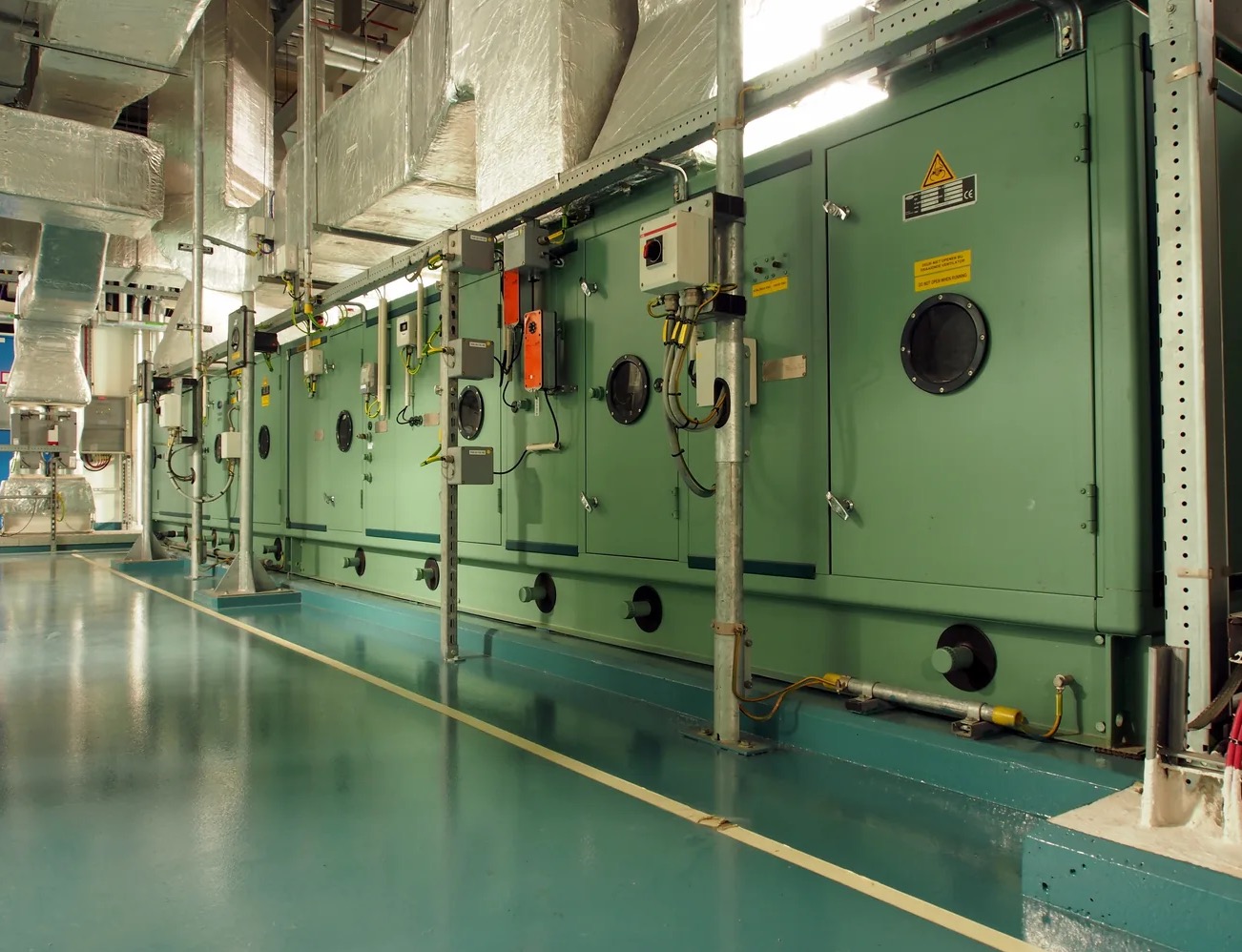
AC Unit Water Removal Near Sandersville: What to Expect
Attic air handlers in Sandersville leak straight into the ceiling below. A sagging or stained ceiling under the unit means water is already in the drywall and possibly the insulation above it.
A leaking AC in Sandersville rarely fixes itself, and the water keeps soaking the same drywall and subfloor until the drain is cleared. Local air conditioner restoration pros serve Sandersville and nearby Tennille, Deepstep and Riddleville, with help available around the clock for leaks of any size.
Complete AC Unit Water Removal and Repair in Sandersville
AC Drain Pan Water Extraction
A soaked pan in an attic unit is a ceiling leak waiting to happen. Extracting it quickly protects the drywall underneath.
AC Leak Mold Prevention
Once materials are dry, an EPA-registered antimicrobial can be applied to wet wood and drywall near the unit to slow microbial growth.
AC Leak Water Extraction
Extraction is followed by drying with air movers and dehumidifiers, with daily readings to track progress.
Air Conditioner Restoration Services
Work finishes with cleanup and a check that the unit drains properly, so the leak does not return.
Wet AC Unit Component Drying
Damp insulation inside the cabinet holds water for a long time. It is dried in place or replaced if it stays wet.
When to Call for AC Unit Water Removal in Sandersville
AC System Shuts Off
Many units have a float switch that shuts the system off when the pan fills. If the AC stops cooling, check the pan.
Musty Odors From Vents
A musty smell when the AC starts often means standing water in the pan or wet insulation in the ducts.
Water on the Floor
A puddle around the air handler or furnace closet is the most direct sign of a leak.
AC Drain Pan Overflow
Water at the rim of the drain pan, or in the secondary pan, means the condensate line is blocked.
How AC Unit Water Removal Works in Sandersville
Step 1: Leak Assessment
The pros find the source of the leak, check how far the water spread and take moisture readings.
Step 2: Source Stop and Water Removal
The drain is cleared or the leaking part isolated, then standing water is extracted from every wet area.
Step 3: System Drying and Dehumidification
Drying equipment runs until walls, floors and insulation test dry, with readings taken at each visit.
Step 4: Verification and Restoration
Final readings confirm the materials are dry, then damaged drywall, trim or ceiling panels can be replaced.
Common Causes of AC Unit Water Damage in Sandersville
Failed Condensate Pump
Units that pump condensate uphill depend on a small pump. When it fails, the reservoir overflows.
Clogged AC Condensation Line
Algae and sludge build up in the drain line over a cooling season until water backs up into the pan.
Frozen Evaporator Coils Thawing
A coil that freezes from low airflow sheds a large amount of water at once when it thaws.
Improper AC Unit Installation
A unit that is not level, or a drain line without enough slope, lets water pool instead of draining.
AC Unit Water Removal Services for All Properties in Sandersville
Residential AC Unit Water Removal
In a home, an AC leak usually hits a hallway ceiling, a closet floor or the carpet near the air handler. Water removal and drying start there, followed by drywall repair if needed.
Commercial AC Unit Water Removal
In offices and stores, a leaking rooftop or ceiling unit drips onto desks, stock and floors and creates slip hazards. Work can be scheduled around business hours where possible.
Why DIY AC Water Removal Often Fails in Sandersville
DIY works for a small puddle on tile that you catch right away and wipe dry. Wet carpet and pad, or drywall that feels soft, usually need professional extraction and drying equipment to dry fully.
What Affects AC Unit Water Removal Expense in Sandersville
Drying equipment is usually billed by the day, so how long materials stay wet matters. Starting quickly in Sandersville shortens drying time and lowers the total.
Secondary Damage Presence
Wet ceilings, swollen baseboards or damp framing add removal and repair work to the job.
Affected Component Count
The more of the system that got wet, such as the blower, panels and insulation, the more drying time is needed.
Leak Source and Severity
A slow drip near the closet costs less to fix than an attic overflow that soaked a ceiling and the room below.
Does Insurance Cover AC Unit Water Removal?
Insurers often ask whether the leak was sudden or ongoing. A record of when the water was found, what it reached and how it was dried helps answer that question.
Benefits of Local Pros for AC Unit Water Removal in Sandersville
Clear Process Communication
Each step is explained before work starts, so you know what is being removed and why.
Air Conditioner Restoration Focus
Drywall, trim and ceiling repairs can be handled after drying, so one job covers the whole leak.
Preventative Microbial Treatment
Optional antimicrobial treatment can be applied to wood and drywall that stayed wet for days.
Emergency AC Unit Water Removal Available 24/7 in Sandersville
Do not wait for a stained ceiling to start sagging under the weight of the water. Call (706) 810-5477 now for AC unit water removal in Sandersville and get the drying started.
Call Now (706) 810-5477Local AC Unit Water Removal Coverage for Sandersville, Tennille, Deepstep and Riddleville
Help with AC unit water removal reaches Tennille, Deepstep and Riddleville, plus other communities around Sandersville, for houses, apartments and commercial buildings with leaking AC units.
- AC Unit Water Removal in Tennille
- AC Unit Water Removal in Deepstep
- AC Unit Water Removal in Riddleville
- AC Unit Water Removal in Davisboro
- AC Unit Water Removal in Oconee
- AC Unit Water Removal in Harrison
- AC Unit Water Removal in Mitchell
- AC Unit Water Removal in Avera
- Emergency Damage Restoration in 31082
- Storm Damage Restoration in 31082
- Water Damage Restoration in 31082
- Water Extraction Service in 31082
- Water Leak Detection in 31082
- Water Removal Service in 31082
Common AC Unit Water Removal Questions Answered
How does antimicrobial treatment help after an AC leak?
Once surfaces are dry, an antimicrobial can be applied to wood and drywall that stayed wet to slow microbial growth.
Can an AC condensation leak damage the ceiling?
Yes. Attic units leak straight into the drywall below, causing stains, sagging and eventually collapse if left alone.
What clogs an AC condensate line?
Algae, sludge, dust and debris build up inside the line, especially over long cooling seasons, until water backs up into the pan.
How long does drying take after an AC leak?
Often several days, depending on the materials and how long they were wet. Daily readings track progress.
Can a wet AC unit be saved after a leak?
Often yes. Components are dried gently and checked, but an HVAC contractor should inspect electrical parts before the unit runs again.