Blythe, GA · Richmond County
Basement Water Removal in Blythe, GASump Pump Failure Water Cleanup & Basement Moisture Inspection
Homeowners in Blythe get Basement Water Removal for basement floor water damage, basement water pump out and basement moisture inspection.
Answered 24/7
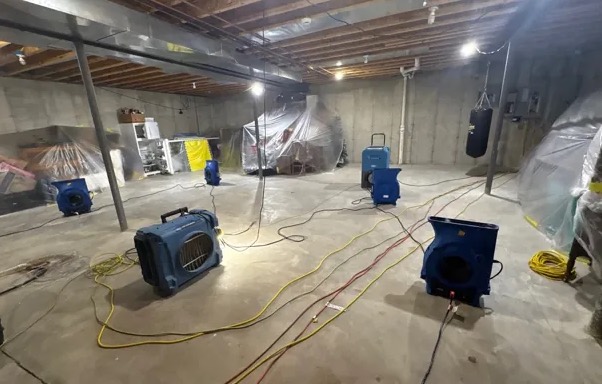
Basement Water Removal Solutions for Blythe Homeowners
In Blythe, a finished basement or lower level takes more work after a flood. Carpet, pad, laminate, drywall and insulation all trap water against the concrete and framing.
Homeowners in Blythe can call (706) 810-5477 day or night when the basement is taking on water. Service also covers Keysville, Hephzibah and Harlem, with the same pumping and drying steps.
Comprehensive Basement Water Removal Solutions
Sump Pump Failure Water Cleanup
Cleanup after a sump failure includes drying the area around the pit and noting whether the pump, switch or power was the cause.
Basement Moisture Inspection
Moisture meters and thermal cameras check walls, floors and the slab for water that is not visible, including behind finished walls.
Basement Wall Drying
Opening the bottom of finished walls lets air reach the studs and sill plate, which otherwise stay wet behind the drywall.
Basement Dehumidification
Large dehumidifiers pull moisture from basement air, which lets walls, framing and the slab release the water they absorbed.
Basement Water Pump Out
When water is more than an inch or two deep, pumps move it far faster than wet vacs, which limits how long walls sit in water.
Signs of Basement Water Damage in Blythe
Sump Pump Failure or Overflow
A sump pit that is full, overflowing or has a pump that will not start means water is about to spread.
Mold or Mildew
Dark spots on drywall, framing or stored items mean the area has stayed wet for days.
Gurgling Sounds From Drains
Gurgling floor drains or slow drains can be an early sign of a sewer line problem.
Warped or Buckling Flooring
Flooring that buckles, lifts or feels spongy has water trapped between it and the slab.
How Basement Water Removal Works in Blythe
Step 1: Source Control and Water Pump Out
The leak is shut off and standing water is pumped out, starting at the lowest point.
Step 2: Water Extraction
Extractors pull water from carpet, pad and concrete, and wet vacs clear corners and stairs.
Step 3: Dehumidification and Drying
Large dehumidifiers and air movers dry walls, framing and slab over several days.
Step 4: Inspection and Clearance for Repair
Final readings confirm the basement is dry and ready for drywall and flooring repairs.
Sources of Basement Water Problems
Clogged or Damaged Gutters
Clogged gutters and short downspouts dump roof water right next to the foundation.
Sewer Line Backups and Blockages
A blocked sewer line can push wastewater up through basement floor drains and toilets.
Window Well Leaks and Drainage
Window wells without drains or covers fill with rain and leak through the windows.
Sump Pump Malfunction or Power Loss
A sump pump that fails mechanically or loses power during a storm lets groundwater rise.
Both Residential & Commercial Basement Water Removal
Residential Basement Water Removal
Older homes with a basement may see seepage with every heavy storm. Water removal handles the current damage, and the entry point is noted for a waterproofing contractor.
Commercial Basement Water Removal
Multi-unit buildings with shared basements need each storage and laundry area pumped, dried and documented for the property manager.
The Risks of DIY Basement Water Removal
A small puddle on bare concrete can be handled with a wet vac, towels and a dehumidifier. Call local water damage pros if water reached carpet, drywall or framing, or covers much of the floor.
Understanding Basement Water Removal Pricing
A basement pumped out the same day in Blythe usually needs less drywall and flooring replaced than one left wet for days.
Access and Complexity
Narrow stairs, low ceilings and crowded storage areas make the work slower and longer.
Drying Time Required
Basements dry slowly, and each extra day of equipment adds to the total.
Additional Services
Antimicrobial treatment, contents cleaning and repairs after drying add to the cost.
Does Insurance Cover Basement Water Removal?
Coverage for basement water removal depends on the water source and your policy. The pros document the damage and drying, and your insurer decides what is covered.
Advantages of Local Basement Water Removal Experts
Advanced Drying Equipment
Pumps, extractors and large dehumidifiers remove water much faster than household tools.
Moisture Inspection
Meters and thermal cameras find water in walls, floors and slab that looks dry.
Detailed Damage Documentation
Photos, readings and drying logs are kept to support your insurance claim.
Round-the-Clock Basement Water Removal for Blythe
Storm night, weekend or holiday, the pros handle basement water in Blythe. Call (706) 810-5477 to get pumps running and drying started.
Call Now (706) 810-5477Local Basement Water Removal Coverage for Keysville, Hephzibah and Harlem
Nearby areas served for basement water removal include Keysville, Hephzibah and Harlem, with the same pumping and drying steps used in Blythe.
- Basement Water Removal in Keysville
- Basement Water Removal in Hephzibah
- Basement Water Removal in Harlem
- Basement Water Removal in Grovetown
- Basement Water Removal in Wrens
- Basement Water Removal in Dearing
- Basement Water Removal in Augusta
- Basement Water Removal in Stapleton
- Emergency Damage Restoration in 30805
- Storm Damage Restoration in 30805
- Water Damage Restoration in 30805
- Water Extraction Service in 30805
- Water Leak Detection in 30805
- Water Removal Service in 30805
Frequently Asked Basement Water Removal Questions
What happens during basement moisture control?
Dehumidifiers and air movers keep humidity low while materials dry, and readings confirm when the space is normal.
How is basement wall drying done?
Wet drywall is cut back, insulation removed and directed airflow and dehumidifiers dry the studs and masonry.
Why is fast water removal so important for basements?
Basements dry slowly, so every hour of standing water adds drying days and more materials to replace.
Does basement flood cleanup include mold prevention?
Fast drying is the main prevention. Wood and concrete that stayed wet can be treated with an antimicrobial once dry.
How is contaminated water handled in a basement?
With protective gear, containment, removal of porous materials and disinfection of hard surfaces before drying.