Harlem, GA · Columbia County
Basement Water Removal in Harlem, GABasement Dehumidification & Basement Drying Services
Basement Water Removal in Harlem handles basement wall drying, basement floor water damage and basement dehumidification before the space turns musty.
Answered 24/7
Professional Basement Water Removal in Harlem, GA
Basement Water Removal in Harlem protects more than the floor. Furnaces, water heaters, washers and stored belongings in the basement can all be damaged by standing water.
Homes in Harlem and nearby Dearing, Grovetown and Blythe with basements face storm seepage, sewer backups and plumbing leaks. Help with basement water removal covers pump-out, wall and floor drying and dehumidification.
The Basement Water Removal Process in Harlem
Basement Dehumidification
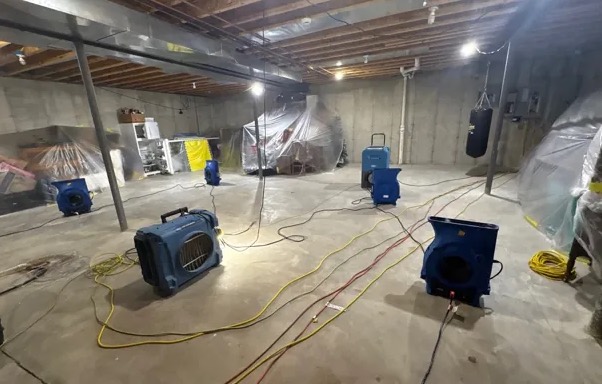
Large dehumidifiers pull moisture from basement air, which lets walls, framing and the slab release the water they absorbed.
Basement Drying Services
Drying plans for basements account for cool air and thick concrete, which hold moisture longer than upper floors.
Basement Water Pump Out
A pump-out removes standing water from the basement with submersible pumps, discharging it outside and away from the foundation.
Emergency Basement Flooding
Emergency response starts with making power safe, stopping the source if possible and pumping out the water.
Basement Wall Drying
Concrete and block walls dry with directed airflow and dehumidification, which pull water out of the masonry.
Common Symptoms Requiring Basement Water Removal
Rusted Appliances or Furniture
Rust on appliance bases, furniture legs or metal shelving points to standing water or long-term dampness.
Wet or Damp Basement Walls
Basement walls that look dark, feel damp or show tide lines are taking on or holding water.
Water Stains on Walls or Ceiling
Stains on lower walls or the ceiling below a bathroom or kitchen point to a leak.
High Humidity and Condensation
Water on pipes and windows, or a constantly clammy feel, means basement humidity is too high.
How Basement Water Removal Works in Harlem
Step 1: First Call and Initial Assessment
The source, the type of water and the depth are checked, and the water level is photographed.
Step 2: Bulk Water and Contaminant Removal
Pumps remove standing water, and carpet, pad or drywall touched by dirty water is removed.
Step 3: Drying With Monitoring
Dehumidifiers and air movers run around the clock, with readings logged every day on walls and slab.
Step 4: Post-Drying Evaluation and Documentation
Final readings and photos are compiled to show the basement is dry and what was removed.
What Causes Water Damage in Basements
Heavy Rainfall and Storm Flooding
Heavy rain saturates the soil and pushes water through walls, cracks and the floor joint.
Foundation Cracks and Seepage
Cracks in foundation walls and the slab let groundwater seep in during wet weather.
Sump Pump Malfunction or Power Loss
A sump pump that fails mechanically or loses power during a storm lets groundwater rise.
Window Well Leaks and Drainage
Window wells without drains or covers fill with rain and leak through the windows.
Professional Basement Water Removal for All Properties
Residential Basement Water Removal
In homes, a wet basement often means damaged carpet, drywall and stored belongings, plus a furnace or water heater sitting in water. Water is pumped out and the space dried.
Commercial Basement Water Removal
In commercial buildings, basements often house mechanical rooms and storage. Water is removed quickly so systems can be checked and restarted safely.
Basement Water Removal vs. DIY: When to Call the Pros
Fans by themselves can spread damp basement air through the rest of the house. Basement drying needs dehumidifiers that pull moisture out of both the air and the concrete.
Factors Affecting Basement Water Removal Cost
Waterproofing and drainage work are separate costs. In Harlem, they may be needed to stop the next flood.
Additional Services
Antimicrobial treatment, contents cleaning and repairs after drying add to the cost.
Drying Time Required
Basements dry slowly, and each extra day of equipment adds to the total.
Water Depth and Volume
Deeper water takes more pumping time and usually means more materials got wet.
Does Insurance Cover Basement Water Removal?
Photograph the water level, damaged belongings and appliances before cleanup, and keep receipts for emergency pumping and drying equipment for your adjuster.
Why Harlem Homeowners Trust Local Pros for Basement Water Removal
Moisture Inspection
Meters and thermal cameras find water in walls, floors and slab that looks dry.
Post-Service Moisture Verification
Final readings are recorded before equipment leaves, so you know the basement is dry.
Advanced Drying Equipment
Pumps, extractors and large dehumidifiers remove water much faster than household tools.
24/7 Emergency Basement Water Removal in Harlem
Standing water in a basement soaks walls and floors by the hour. Call (706) 810-5477 for basement water removal in Harlem at any time, day or night.
Call Now (706) 810-5477Basement Water Removal Serving Harlem and Surroundings
Nearby areas served for basement water removal include Dearing, Grovetown and Blythe, with the same pumping and drying steps used in Harlem.
- Basement Water Removal in Dearing
- Basement Water Removal in Grovetown
- Basement Water Removal in Blythe
- Basement Water Removal in Appling
- Basement Water Removal in Keysville
- Basement Water Removal in Evans
- Basement Water Removal in Hephzibah
- Basement Water Removal in Augusta
- Emergency Damage Restoration in 30814
- Storm Damage Restoration in 30814
- Water Damage Restoration in 30814
- Water Extraction Service in 30814
- Water Leak Detection in 30814
- Water Removal Service in 30814
Basement Water Removal in Harlem: Your Questions
How long does basement drying take?
Often several days or longer, because concrete and cool basement air hold moisture. Daily readings show when it is done.
Why is basement dehumidification important after pumping?
Walls and concrete keep releasing moisture for days. Dehumidifiers remove it so the basement does not stay damp.
What equipment is used for basement water extraction?
Submersible pumps, extractors, wet vacs, air movers, large dehumidifiers and moisture meters to confirm drying.
How does a basement moisture inspection work?
Moisture meters and thermal cameras check walls, floors and the slab, including behind finished walls and under flooring.
What causes basement floor water damage?
Storm seepage, burst pipes, appliance leaks, foundation cracks and sewer backups through floor drains are the usual sources.