Washington, GA · Wilkes County
Desiccant Dehumidification in Washington, GAEmergency Dehumidification & Firefighting Water Drying
Get desiccant dehumidification in Washington for emergency dehumidification, flood drying services and firefighting water drying.
Answered 24/7
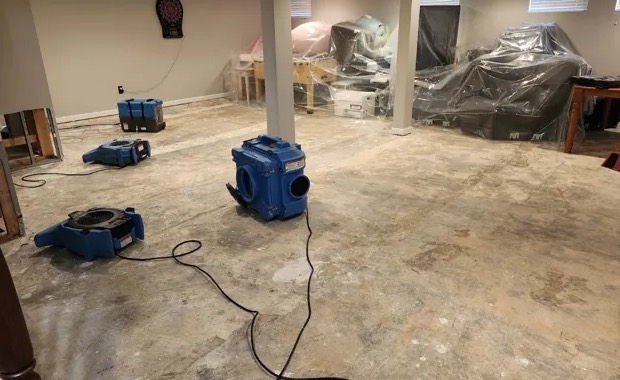
Desiccant Dehumidification: Moisture Control in Washington
Large commercial buildings in Washington can hold a lot of moisture after a flood or sprinkler leak. High-capacity desiccant units can dry large volumes of air.
Homes, job sites and commercial buildings in Washington and nearby Tignall, Sharon and Lincolnton sometimes need more drying power than standard equipment provides. Help with desiccant dehumidification covers those cases.
Desiccant Dehumidification Services in Washington
Emergency Dehumidification
Emergency dehumidification starts as soon as standing water is removed, which limits swelling, warping and odor.
Firefighting Water Drying
Drying after a fire is done once wet debris is removed, so the structure dries cleanly before rebuilding.
Construction Drying Services
Readings on slabs and framing show when materials are dry enough for the next stage of work.
Crawl Space Drying
Crawl spaces are cool and damp, which suits desiccant units. Dry air is pushed in to pull moisture from the joists and subfloor.
Flood Drying Services
After floodwater is pumped out, desiccant dehumidifiers can bring the air to very low humidity, which pulls moisture out of walls, floors and framing faster.
Indicators for Desiccant Dehumidification in Your Washington Home
Warped Wood Floors or Trim
Wood floors or trim that cup or warp after a leak are still taking on moisture.
Wet Insulation in Attics or Walls
Insulation that is wet in attics or walls holds water against framing and slows drying.
Peeling Paint or Wallpaper
Paint or wallpaper that peels after a leak has moisture behind it that has not dried.
Musty Smell in Stored Items
Boxes and fabrics that smell musty show the space has stayed damp too long.
How Desiccant Dehumidification Works in Washington
Step 1: First Call and Setup
Help is available any hour, and drying equipment is set up as soon as standing water is removed.
Step 2: Dry Air Environment
The space is closed off so dehumidifiers can bring humidity down quickly.
Step 3: Continuous Moisture Removal
Equipment runs around the clock, pulling moisture from walls, floors and framing.
Step 4: Restoration Verification
Readings are compared to unaffected dry areas before any equipment is removed from the site.
Sources of Moisture Requiring Desiccant Dehumidification in Washington
Foundation Cracks and Seepage
Foundation cracks let groundwater seep into lower levels, keeping walls and floors damp.
Groundwater Rise After Heavy Rains
Groundwater rising after long rains keeps crawl spaces and lower levels damp.
Poor Ventilation in Enclosed Areas
Closed, poorly ventilated spaces trap moisture and dry very slowly after water damage.
Appliance Malfunctions and Overflows
Washers, dishwashers and water heaters that leak leave wet floors, cabinets and walls.
Both Residential and Commercial Desiccant Dehumidification in Washington
Residential Desiccant Dehumidification
Homes with wet attics after roof leaks may need attic drying equipment placed carefully on boards for safe footing.
Commercial Desiccant Dehumidification
Schools, offices and medical buildings may schedule equipment setup and removal after hours to limit disruption to staff and visitors.
The Limits of DIY Desiccant Dehumidification in Washington
Do not run drying equipment on materials soaked by sewage or floodwater before they are cleaned or removed, since that spreads contamination through the house.
Investing in Desiccant Dehumidification for Washington Properties
Flood cleanup, crawl space access, material removal and after-hours setup all add to the total for desiccant dehumidification in Washington.
Affected Area Size
Larger affected areas need more drying units and more air movers running at once.
Moisture Saturation Level
Materials that are fully soaked take longer to dry than lightly damp ones.
Access and Complexity
Crawl spaces, tight areas and large buildings take more effort to set up and monitor.
Does Insurance Cover Desiccant Dehumidification?
Construction drying on a new build is usually a project cost rather than an insurance claim. Ask your builder how it is handled.
Advantages of Hiring Local Pros in Washington for Desiccant Dehumidification
Desiccant Equipment
Desiccant units are used where they fit, such as cool spaces, crawl spaces and large buildings.
Targeted Drying
Equipment is placed for the specific materials and spaces that are wet.
Prevention of Mold
Fast, complete drying is one of the main ways to keep mold from starting after water damage.
Emergency Desiccant Dehumidification Response for Washington
Wet materials keep soaking up moisture from damp air until drying starts. Call (706) 810-5477 for desiccant dehumidification in Washington at any hour.
Call Now (706) 810-5477Desiccant Dehumidification Service Area Including Washington
Each place listed below has its own page with local details.
- Desiccant Dehumidification in Tignall
- Desiccant Dehumidification in Sharon
- Desiccant Dehumidification in Lincolnton
- Desiccant Dehumidification in Crawfordville
- Desiccant Dehumidification in Warrenton
- Desiccant Dehumidification in Appling
- Desiccant Dehumidification in Dearing
- Desiccant Dehumidification in McCormick
- Emergency Damage Restoration in 30673
- Storm Damage Restoration in 30673
- Water Damage Restoration in 30673
- Water Extraction Service in 30673
- Water Leak Detection in 30673
- Water Removal Service in 30673
Desiccant Dehumidification Information: Your Questions
What equipment is used for commercial building drying?
High-capacity desiccant or refrigerant dehumidifiers, air movers, moisture meters and sometimes ducting to direct dry air.
How do rapid drying methods protect my property?
They dry materials before they swell, warp or grow microbes, which keeps repairs smaller.
How is emergency dehumidification different from standard service?
It starts right after a leak or flood, any time of day, so materials do not keep soaking up moisture.
How does a desiccant dehumidifier work differently?
It passes air over a material that absorbs moisture instead of cooling the air, so it keeps working in cool conditions.
Why use desiccant drying after a fire?
Firefighting water soaks large areas, and high-capacity drying helps remove that moisture once debris is cleared.