Washington, GA · Wilkes County
Emergency Water Extraction in Washington, GAStanding Water Removal & Emergency Flood Water Extraction
Emergency Water Extraction in Washington runs from standing water removal and emergency flood water extraction to wet drywall water removal.
Answered 24/7
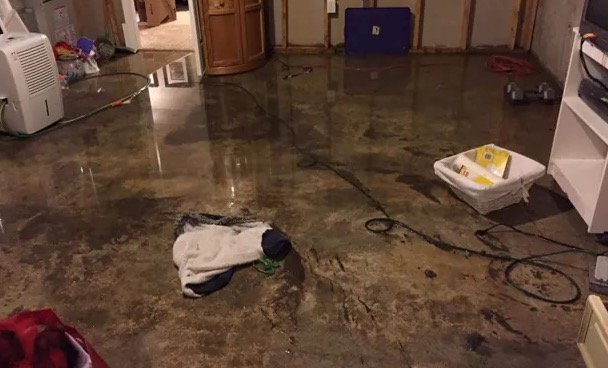
Local Emergency Water Extraction for Washington Water Damage
Most emergency water calls in Washington come from burst pipes, failed water heaters, overflowing toilets, storms and sewer backups. Each one puts water where it should not be, fast.
Property owners in Washington can call (706) 810-5477 day or night when water starts spreading. Service also covers Tignall, Sharon and Lincolnton, with the same extraction and drying steps.
Key Emergency Water Extraction Procedures in Washington
Standing Water Removal
Removing standing water quickly is what keeps a single wet room from turning into several.
Emergency Flood Water Extraction
Pumping starts at the lowest point of the flooded area and continues until no standing water remains anywhere inside.
Wet Drywall Water Removal
Drywall that wicked up water is checked with a meter. Lightly damp drywall can be dried in place, while soaked drywall is cut out.
Emergency Water Damage Cleanup
Help is available any hour, because cleanup that waits until morning usually means more materials to remove.
Sewage Backup Cleanup
Sewage cleanup is never just drying. Contaminated materials must come out first so the area is safe again.
Warning Signs You Need Emergency Water Extraction
Water Stains on Walls
Fresh stains on walls or ceilings show water is spreading from a leak nearby or above.
Soggy or Wet Carpeting
Carpet that squishes or feels cold and wet underfoot is holding water in the pad below.
Sump Pump Failure or Overflow
A sump pit that is full or overflowing means groundwater is about to spread across the lower level.
Mold or Mildew
Dark spots on walls, baseboards or carpet backing mean an area has stayed wet for days.
How Emergency Water Extraction Works in Washington
Step 1: Emergency Response Assessment
Power is made safe, sagging ceilings are checked and people are kept away from hazards.
Step 2: Water Extraction Process
Water is extracted from carpet, hard floors and low spots across every affected room.
Step 3: Targeted Drying and Dehumidification
Air movers and dehumidifiers dry the walls and subfloors where the water soaked in.
Step 4: Final Damage Documentation
Final readings confirm the structure is dry, and records are compiled for your insurer.
Common Causes of Water Damage in Washington
Sewage System Backup
A blocked sewer line pushes wastewater up through floor drains, tubs and toilets.
Fire Suppression System Activation
Damaged or triggered fire sprinkler heads can soak a room or a whole floor quickly.
Appliance Malfunctions and Overflows
Washers, dishwashers, water heaters and refrigerator lines fail and flood the floor around them.
Severe Weather and Flooding
Heavy storms and flooding push water into homes and businesses through doors, walls and roofs.
Whole-Property Emergency Water Extraction in Washington, GA
Residential Emergency Water Extraction
Families often want to save carpet and flooring. Fast extraction of clean water makes that possible in many cases.
Commercial Emergency Water Extraction
Property managers with several units get separate extraction and drying records, with photos, for each affected unit or suite.
Emergency Water Extraction vs. DIY: When to Call the Pros
Do not walk into standing water if outlets, cords or appliances are submerged. Shut off power at the panel only if you can reach it from a dry spot, then call (706) 810-5477.
What Affects Emergency Water Extraction Pricing in Washington
Sewage, floodwater and deep standing water in Washington cost more to extract than a clean water leak on one floor.
Contents and Materials
Furniture, belongings and stock that must be moved or protected add labor to the job.
Necessary Demolition Work
Carpet pad, drywall and flooring that must be removed add labor and disposal costs.
Affected Square Footage
More square feet of wet flooring and walls means more extraction and more drying equipment.
Does Insurance Cover Emergency Water Extraction?
Many homeowner policies cover sudden water damage, like a burst pipe, but exclude outside flooding and sometimes sewer backups. Check your policy and call your insurer early.
Advantages of Hiring Local Pros for Emergency Water Extraction in Washington
Carpet Extraction
Weighted tools press water out of carpet and pad, giving the carpet a good chance of being saved.
Industry Drying Standards
Extraction and drying follow industry water damage standards, with readings at every visit.
Extraction Equipment
Pumps and truck-mounted or portable extractors remove water much faster than shop vacs.
24/7 Emergency Water Extraction Availability in Washington
Water spreading in Washington? Shut off the main, turn off power to wet rooms if safe and call (706) 810-5477. Emergency extraction is available 24/7.
Call Now (706) 810-5477Emergency Water Extraction in Washington and Other Areas Served
Each place listed below has its own page with local details.
- Emergency Water Extraction in Tignall
- Emergency Water Extraction in Sharon
- Emergency Water Extraction in Lincolnton
- Emergency Water Extraction in Crawfordville
- Emergency Water Extraction in Warrenton
- Emergency Water Extraction in Appling
- Emergency Water Extraction in Dearing
- Emergency Water Extraction in McCormick
- Emergency Damage Restoration in 30673
- Storm Damage Restoration in 30673
- Water Damage Restoration in 30673
- Water Extraction Service in 30673
- Water Leak Detection in 30673
- Water Removal Service in 30673
Frequently Asked Questions About Emergency Water Extraction
Is emergency water extraction available 24/7?
Yes. Help is available day or night, including weekends and holidays, because water damage keeps spreading.
What happens after the water is extracted?
Moisture readings show what is still wet, materials that cannot be saved are removed and drying equipment runs for several days.
What is involved in flooded basement cleanup?
Pumping out water, removing wet carpet and drywall where needed, cleaning if the water was dirty and drying the space.
How long does drying take after extraction?
Often several days, depending on the materials, the type of water and how long it sat.
What is moisture inspection and why is it needed?
Checking walls, floors and ceilings with meters and thermal cameras to find water that is not visible after extraction.