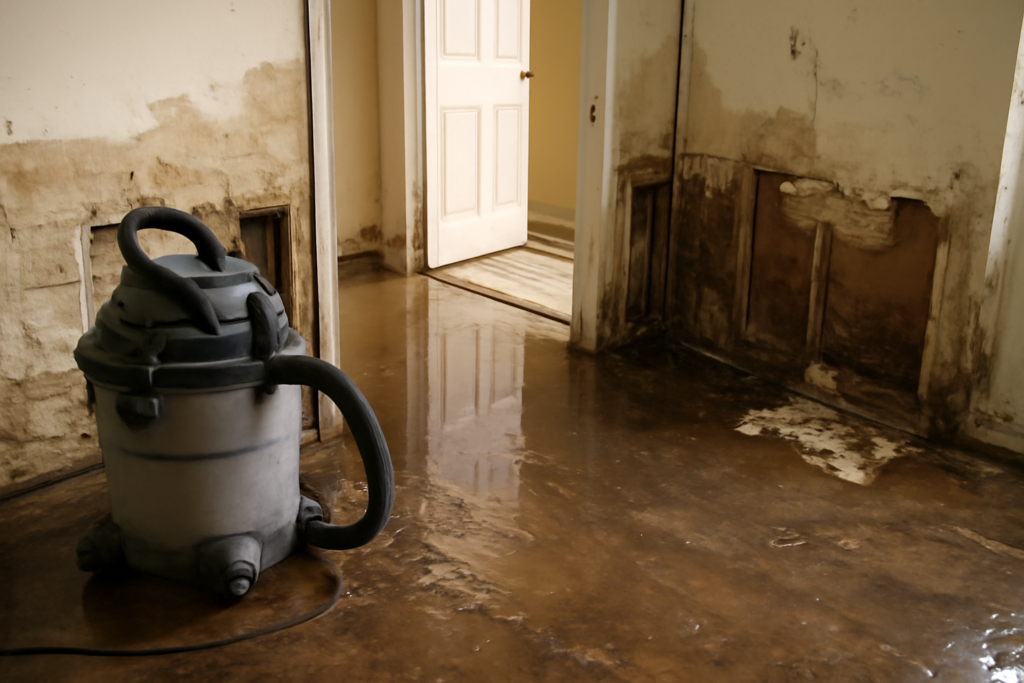
Flood Water Extraction in Louisville, GA
Trusted by 180+ Homeowners
Flood Water Extraction in Louisville, GA: What You Need to Know
Did you know that the average homeowner in the United States files a flood insurance claim every 1 in 50 years? In Louisville, GA, it’s essential to be prepared for flood-related water damage, which can occur within 60 minutes of heavy rainfall. Flood Water Extraction is a critical step in restoring your property to its pre-flood condition. Our team of experienced technicians is IICRC-certified and dedicated to providing top-notch service in the area.
With over 165+ five-star reviews, our team has earned the trust of local homeowners who rely on us for Flood Water Extraction. You’re not alone in this process; we’ll guide you through every step, ensuring your property is restored to its original state. Don’t wait for the damage to worsen; contact us today to schedule an assessment.
- We extract standing water within 60 minutes, reducing the risk of mold growth and structural damage.
- We use advanced equipment, such as truck-mounted pumps and wet/dry vacuums, to efficiently remove water from your property.
- We work closely with your insurance company to ensure a smooth claims process and reduce out-of-pocket expenses.
How Flood Water Extraction Actually Works
Our team’s process for Flood Water Extraction is designed to reduce downtime and increase efficiency. We’ll assess the extent of the damage, identify the source of the water, and develop a customized plan to extract the water and dry your property. A proper process matters; cutting corners can lead to further damage and increased costs. Our technicians use specialized equipment, such as moisture meters and infrared cameras, to detect hidden water and ensure thorough drying.
Step 1: Assessment and Planning
Our team will inspect your property to find out the extent of the damage and identify the source of the water. We’ll develop a customized plan to extract the water and dry your property, taking into account the unique conditions of your property. Our assessment is free and no-obligation.
Step 2: Water Extraction
We’ll use advanced equipment, such as truck-mounted pumps and wet/dry vacuums, to extract standing water from your property. Our technicians will work efficiently to reduce downtime and prevent further damage. We’ll extract water within 60 minutes of arrival.
Step 3: Drying and Dehumidification
We’ll use specialized equipment, such as desiccants and dehumidifiers, to dry your property and remove excess moisture. Our technicians will monitor the drying process to ensure your property is thoroughly dry. We’ll dry your property to a safe moisture level.
Step 4: Sanitizing and Disinfecting
We’ll use antimicrobial treatments to sanitize and disinfect your property, removing any remaining bacteria or mold. Our technicians will ensure your property is safe and healthy for occupancy. We’ll leave your property clean and safe.
Step 5: Final Inspection and Report
We’ll conduct a final inspection to ensure your property is thoroughly dry and free of any remaining water damage. We’ll provide a detailed report outlining the work completed and any recommendations for future maintenance. We’ll provide a comprehensive report and warranty.
Don’t wait for the damage to worsen; contact us today to schedule an assessment and get started on the Flood Water Extraction process. Our team is here to help.

Warning Signs You Need Flood Water Extraction
Catching these signs early can save you money and prevent bigger problems. Our team is here to help you identify and address these issues before they become major headaches. Don’t ignore these warning signs.
Musty Odors That Won’t Go Away
If you notice a persistent musty smell in your property, it may show the presence of mold or mildew. Don’t wait; address the issue immediately.
Water Stains on Ceilings or Walls
Water stains on your ceilings or walls can show a more significant issue, such as a leaky roof or faulty plumbing. Don’t ignore these stains; they can lead to further damage.
Warped or Buckled Flooring
Warped or buckled flooring can show water damage or uneven drying. Don’t wait; address the issue to prevent further damage.
Peeling Paint or Wallpaper
Peeling paint or wallpaper can show water damage or high humidity. Don’t ignore these signs; they can lead to further damage.
Musty Smells in Your Attic or Basement
Musty smells in your attic or basement can show the presence of mold or mildew. Don’t wait; address the issue immediately.
Water Leaks Under Appliances or Fixtures
Water leaks under appliances or fixtures can show a more significant issue, such as a faulty water heater or leaky pipes. Don’t ignore these signs; they can lead to further damage.
Flood Water Extraction vs. DIY: When To Call a Professional
| Situation | DIY? | Call a Pro? | Why |
|---|---|---|---|
| Small water spill (less than 1 gallon) | Yes | No | You can likely clean it up yourself with a wet/dry vacuum and some towels. |
| Large water spill (over 1 gallon) | No | Yes | Excess water can lead to mold growth and structural damage, needing professional extraction and drying. |
| Water damage to drywall or ceilings | No | Yes | These areas need specialized equipment and techniques to prevent further damage and ensure thorough drying. |
| Water damage to electrical systems or appliances | No | Yes | These areas need specialized equipment and techniques to prevent electrical shock or further damage. |
| Water damage to crawlspaces or attics | No | Yes | These areas need specialized equipment and techniques to prevent further damage and ensure thorough drying. |
| Water damage to multiple rooms or floors | No | Yes | Excess water can lead to mold growth and structural damage, needing professional extraction and drying. |
With Flood Water Extraction, it’s essential to know when to call a professional. Our team is here to help you navigate the process and ensure your property is restored to its original state. Don’t wait; call us today.
Flood Water Extraction Cost in Louisville, GA
The cost of Flood Water Extraction in Louisville, GA, varies based on the severity of the damage, the size of the affected area, and local conditions. These estimates are based on industry standards and may vary depending on your specific situation. Prices are estimates, not guarantees.
| Service | Typical Price Range | What Affects Cost |
|---|---|---|
| Water Extraction | $500 – $2,500 | The size of the affected area and the severity of the damage. |
| Drying and Dehumidification | $1,000 – $5,000 | The size of the affected area and the type of equipment required. |
| Sanitizing and Disinfecting | $500 – $2,000 | The size of the affected area and the type of antimicrobial treatments required. |
| Final Inspection and Report | $200 – $1,000 | The complexity of the job and the time required to complete the inspection. |
| Free Estimate and Assessment | $0 – $100 | The complexity of the job and the time required to complete the assessment. |
Exact pricing depends on an on-site assessment. Our team offers free estimates and assessments to ensure you understand the costs involved. Contact us today to schedule an assessment.
Service Areas Near Louisville, GA
We serve the following nearby communities: Augusta, GA, Martinez, GA, Evans, GA, Grovetown, GA, Hephzibah, GA, Blythe, GA, Harlem, GA, Waynesboro, GA, Thomson, GA, Appling, GA, Waynesboro, GA, Millen, GA, Sylvania, GA, and Louisville, GA.
Common Questions About Flood Water Extraction
Q: How long does Flood Water Extraction take?
A: The time required for Flood Water Extraction varies depending on the severity of the damage and the size of the affected area. Our team will provide a detailed estimate and timeline for the job. We’ll work efficiently to reduce downtime.
Q: Is Flood Water Extraction covered by insurance?
A: Yes, Flood Water Extraction is typically covered by insurance, but the process can be complex. Our team will work closely with your insurance company to ensure a smooth claims process and reduce out-of-pocket expenses. We’ll handle the paperwork and communication.
Q: Can I do Flood Water Extraction myself?
A: While it’s possible to try Flood Water Extraction yourself, it’s not recommended. Excess water can lead to mold growth and structural damage, needing professional extraction and drying. Our team has the equipment and expertise to ensure thorough drying and prevent further damage. Don’t risk it; call us today.
Q: What equipment do you use for Flood Water Extraction?
A: Our team uses advanced equipment, such as truck-mounted pumps and wet/dry vacuums, to efficiently remove water from your property. We also use specialized equipment, such as desiccants and dehumidifiers, to dry your property and remove excess moisture. We’ll use the right equipment for the job.
Q: How do I prevent Flood Water Extraction in the future?
A: To prevent Flood Water Extraction, ensure your property is properly maintained, and address any water damage or leaks quickly. Regular inspections and maintenance can help identify potential issues before they become major problems. Prevention is key.
Check Our Other Relevant Services
- Concrete Slab Water Extraction in Louisville, GA
- Concrete Water Damage Restoration in Louisville, GA
Serving Louisville, GA And Nearby Areas