Waynesboro, GA · Burke County
Floor Water Damage Restoration in Waynesboro, GAEmergency Floor Water Removal & Vinyl Floor Water Damage Cleanup
Floor Water Damage Restoration in Waynesboro covers subfloor water damage repair, emergency floor water removal and vinyl floor water damage cleanup.
Answered 24/7
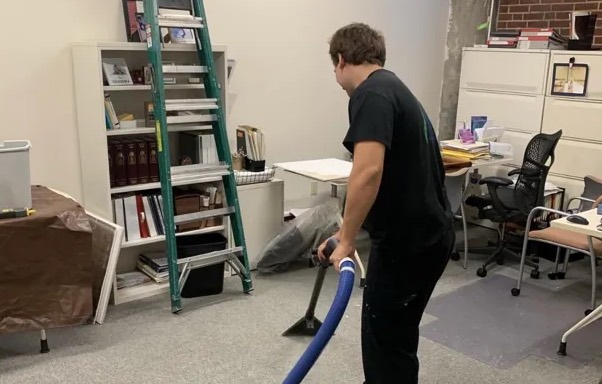
Professional Floor Water Damage Restoration in Waynesboro, GA
When water invades a floor assembly, it can warp planks, loosen tiles, and rot subflooring. For homes in Waynesboro, this damage compromises daily life and can lower property value.
Wet floor restoration services in Waynesboro and nearby areas like Vidette, Keysville and Hephzibah focus on thorough moisture extraction from all flooring layers. This helps preserve the integrity of homes in Waynesboro.
Comprehensive Floor Water Damage Restoration in Waynesboro, GA
Emergency Floor Water Removal
Local pros offer 24/7 emergency water removal in Waynesboro, using pumps and extractors to stop water from spreading under more flooring.
Vinyl Floor Water Damage Cleanup
Bubbling and lifting mean water is under the vinyl. Pros stop the source, extract the moisture and dry the area for new flooring.
Tile Floor Water Damage Restoration
Water under tile puts the subfloor at risk. Local floor water damage repair specialists extract standing water and run dehumidifiers to draw moisture from underneath.
Hardwood Floor Water Damage Repair
Buckling and discoloration signal water damage in hardwood. The specialists in Waynesboro focus on rapid water extraction and controlled drying to restore integrity.
Carpet Water Extraction Services
The specialists remove bulk water from carpet, then often lift it to dry the pad and subfloor separately.
Signs Your Floors Need Water Damage Restoration
Buckling or Warping Boards
Hardwood or laminate planks that lift or curl at the edges usually mean water has reached the underside of the boards.
Spongy or Soft Spots
A spot that feels soft or gives a little underfoot often means the subfloor below is wet or swelling.
Discoloration or Staining
Dark spots, yellowing, or rings on your flooring indicate water has penetrated the surface. Water is likely trapped under the surface.
Laminate Floor Swelling
Swollen edges or a pillowed look on laminate planks means the fiberboard core has soaked up water and will not flatten again.
How Floor Water Damage Restoration Works in Waynesboro
Step 1: Water Containment
The first response is to contain the spread of water using barriers and extraction.
Step 2: Deep Moisture Extraction
Subsurface extraction tools pull water from deep within carpets and from under flooring materials.
Step 3: Comprehensive Drying Strategy
A customized drying plan is implemented using an array of drying equipment.
Step 4: Material Evaluation and Repair
Once the subfloor is dry, damaged boards, pad or plywood are listed for repair or replacement, and salvaged flooring can be reinstalled.
Frequent Sources of Floor Water Damage
Overflowing Sinks or Tubs
A bathroom or kitchen overflow can send water across the floor and down through seams into the subfloor.
Sprinkler System Accidents
A lawn sprinkler aimed at the house or an interior fire sprinkler discharge can put a lot of water on a floor fast.
Foundation Cracks and Seepage
Groundwater pushed up through cracks in a slab keeps the floor covering damp from below, even when nothing is leaking inside.
Roof Leaks and Storm Damage
Roof leaks travel along joists and walls before they show up, often soaking upper floors and the subfloor first.
Floor Water Damage Restoration for Homes & Businesses in Waynesboro
Residential Floor Water Damage Restoration
Residential floor water damage work covers common household incidents, from appliance overflows to plumbing leaks under sinks and toilets.
Commercial Floor Water Damage Restoration
The pros prioritize water removal from expansive areas, employing industrial air movers and dehumidifiers to meet strict drying timelines and comply with building codes.
Professional Floor Water Damage Restoration or DIY in Waynesboro?
Running a dehumidifier and moving wet items out of closets help lower humidity in the room. Stay clear of outlets and cords near standing water. Hardwood and laminate usually need professional drying equipment to dry all the way through.
Understanding Floor Water Damage Restoration Cost in Waynesboro
Factors determining floor water damage restoration cost in Waynesboro include the water source category and how long the flooring was saturated.
Subfloor Damage Presence
A wet subfloor that has swelled or softened may need plywood replaced, which adds to the scope and the cost.
Extent of Saturation
The wet area and how deep the water went decide how many air movers and dehumidifiers are needed and for how many days.
Water Contamination Category
Clean water from a supply line costs less to handle than gray water or sewage, which need protective gear and disinfection.
Does Insurance Cover Floor Water Damage Restoration?
For water damaged floor repair, many policies cover sudden discharges but exclude long-term seepage. Confirm details with an insurance agent before authorizing work. Professionals keep records, like subfloor moisture maps, for the claim file.
Advantages of Hiring Local Pros for Floor Water Damage Restoration in Waynesboro
Material-Specific Expertise
Hardwood, laminate, tile and vinyl react to water differently, so each gets its own drying approach.
Floor-Specific Equipment
Weighted carpet extractors, floor drying mats and dehumidifiers are matched to carpet, hardwood, tile or concrete.
Detailed Damage Documentation
Photo logs and moisture readings create a clear record for your files and any insurance claim.
24/7 Emergency Floor Water Damage Restoration in Waynesboro
A floor leak spreads under coverings quickly. To halt water spread and begin controlled drying, call (706) 810-5477 for 24/7 emergency service and an on-site assessment from floor water damage cleanup specialists in Waynesboro.
Call Now (706) 810-5477Local Floor Water Damage Restoration Coverage for Waynesboro
For comprehensive wet floor restoration following a leak or flood, property owners in Waynesboro and nearby areas like Vidette, Keysville and Hephzibah rely on proven drying methods.
- Floor Water Damage Restoration in Vidette
- Floor Water Damage Restoration in Keysville
- Floor Water Damage Restoration in Hephzibah
- Floor Water Damage Restoration in Sardis
- Floor Water Damage Restoration in Girard
- Floor Water Damage Restoration in Blythe
- Floor Water Damage Restoration in Jackson
- Floor Water Damage Restoration in Midville
- Emergency Damage Restoration in 30830
- Storm Damage Restoration in 30830
- Water Damage Restoration in 30830
- Water Extraction Service in 30830
- Water Leak Detection in 30830
- Water Removal Service in 30830
Floor Water Damage Restoration FAQs
Does floor water extraction remove all the moisture?
Extraction removes bulk standing water, but significant moisture remains trapped within flooring materials and the subfloor.
Can floor water damage lead to mold growth?
Yes. Wet wood subflooring and carpet backing can start growing within 24 to 48 hours, so drying matters.
Are floor water damage services necessary for small leaks?
Even small, slow leaks can cause significant hidden damage over time, rotting subfloors and fostering mold.
What is the purpose of concrete floor drying services?
Even dense concrete slabs absorb moisture, which can wick into walls and flooring above.
How does the water source affect floor water damage cleanup?
Clean water needs standard drying. Gray or contaminated water also needs antimicrobial treatment and may mean discarding porous flooring.