Washington, GA · Wilkes County
Roof Leak Water Removal in Washington, GAWet Contents Protection & Emergency Roof Tarping
Roof Leak Water Removal in Washington includes emergency roof tarping, ceiling water damage cleanup, wall cavity drying and wet contents protection.
Answered 24/7
Help With Roof Leak Water Damage in Washington
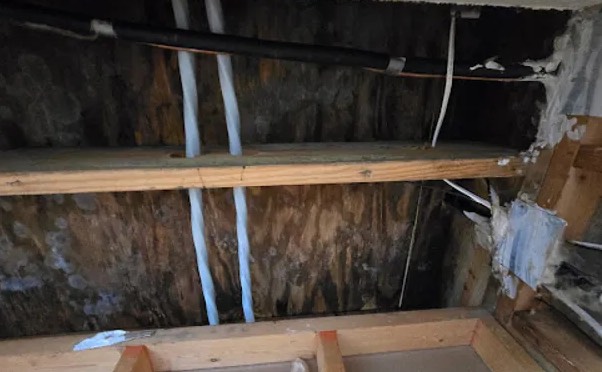
Wet ceilings, damp insulation and water running down an inside wall are all signs that a roof leak has gone past the attic floor.
Roof leak water removal is available in Washington and nearby Tignall, Sharon and Lincolnton. The pros tarp the opening if needed, extract the water and dry the attic framing and ceiling drywall.
Roof Leak Cleanup Services in Washington, GA
Wet Contents Protection
Wet contents are sorted into items that can be dried and items that cannot. A photo list of each is kept for the insurance claim.
Emergency Roof Tarping
When shingles are torn or a branch has punched a hole, the pros cover the opening with a weighted or battened tarp before they start drying the attic.
Ceiling Water Damage Cleanup
Ceiling cleanup covers the drywall, texture and any wet insulation resting on it. Readings decide whether a panel can be dried in place or must be replaced.
Leak Source Identification
The pros follow the water trail from the stain up through the attic to the decking, flashing or vent where rain is getting in, and note it for the roofer.
Structural Drying Services
Drying a roof leak means drying wood, not just air. The pros track moisture in the sheathing and framing and adjust the setup until the numbers drop.
When a Roof Leak Needs Water Removal
Peeling Paint on Upper Walls
Bubbling or peeling paint near the ceiling line on exterior walls points to water running down inside the wall.
Water Stains on the Ceiling
Brown or yellow rings on the ceiling, often growing after each rain, mean water is reaching the drywall from above.
Gutters Spilling Over the Roof Edge
Gutters that overflow toward the house during storms can push water under the shingles and into the wall top plates.
Musty Smell After Rain
A damp, musty smell that gets stronger after storms often means insulation in the attic is staying wet.
How Roof Leak Water Removal Works in Washington
Step 1: Assess the Leak
The pros look at the roof, attic and ceilings to see how long the leak has been running and what it has soaked.
Step 2: Remove Water and Debris
Water, wet insulation and fallen drywall are cleared out so the attic and room below can dry evenly.
Step 3: Clean Wet Surfaces
Wood and drywall that stayed wet for a day or more are cleaned and treated before drying to limit odor and mold.
Step 4: Monitor Until Dry
Readings are taken on each visit and the equipment is moved as areas dry, until every wet spot reaches its target.
What Causes Roof Leaks in Washington Homes
Cracked Vent Boots
The rubber collars around plumbing vents dry out and split with age, letting rain drip down the pipe into the attic.
Aging Roofing Materials
As shingles age they curl, lose granules and crack, and slow leaks start where the roof covering has worn thin.
Worn Flashing
Flashing around chimneys, skylights and wall joints can crack, rust or pull loose, and water runs in along the gap.
Clogged Gutters
Leaves and debris in gutters make water back up at the roof edge, where it seeps under shingles and into the soffit and walls.
Roof Leak Water Removal for Homes and Businesses in Washington
Residential Roof Leak Water Removal
For homeowners, drying the attic and ceiling before stains spread can save the drywall. Moisture readings show what can stay and what has to come out.
Commercial Roof Leak Water Removal
Property managers get moisture readings and photos for each affected unit or suite, which helps when several tenants and an owner's insurer are involved.
DIY Steps and Their Limits After a Roof Leak in Washington
Stay out of an attic that has standing water or soft spots. Ceiling drywall between the joists will not hold your weight and can give way.
Pricing Roof Leak Water Removal in Washington
Leaks found early cost less to clean up. Water that sat for a long time can mean more drywall and insulation to replace and longer drying.
Emergency Tarping
If the roof needs a tarp before drying can start, the materials and labor for that step add to the bill.
Size of the Wet Area
The square footage of wet attic, ceiling and wall sets how much equipment is needed and how long it runs.
Attic Access
Low, tight attics with little floor to stand on take longer to work in than open attics with a walkway.
Does Insurance Cover Roof Leak Water Removal?
Many homeowner policies cover sudden roof leaks caused by a storm or falling tree, but not leaks from wear and age. Your insurer decides what is covered.
Why Professional Roof Leak Water Removal Pays Off
Finding Hidden Water
Thermal cameras and moisture meters find wet insulation and wall cavities that are not visible from the room below.
Notes for the Roofer
The entry point and the path the water took are documented so the roofer knows exactly where to look.
Drying to Measured Targets
Drying stops only when meters show the wood and drywall are dry, not when the surface looks dry.
Emergency Attic Water Removal in Washington
For an active roof leak in Washington, call (706) 810-5477. Local restoration pros handle the tarp, the water in the attic and the drying of the rooms below.
Call Now (706) 810-5477Local Roof Leak Water Removal Coverage for Washington
The places below are also served, and each one has its own page.
- Roof Leak Water Removal in Tignall
- Roof Leak Water Removal in Sharon
- Roof Leak Water Removal in Lincolnton
- Roof Leak Water Removal in Crawfordville
- Roof Leak Water Removal in Warrenton
- Roof Leak Water Removal in Appling
- Roof Leak Water Removal in Dearing
- Roof Leak Water Removal in McCormick
- Emergency Damage Restoration in 30673
- Storm Damage Restoration in 30673
- Water Damage Restoration in 30673
- Water Extraction Service in 30673
- Water Leak Detection in 30673
- Water Removal Service in 30673
Common Questions After a Roof Leak
What happens after the water is removed?
Drying equipment runs and the pros take readings until the attic and ceiling are dry. Then the roofer and drywall repairs can go ahead.
Is it safe to stay in a room with a wet ceiling?
Keep people out from under a ceiling that sags or drips. Turn off power to wet light fixtures until the ceiling has been checked.
How long does it take to dry an attic after a roof leak?
Drying usually takes three to five days, depending on how wet the wood is and how much insulation came out. Readings decide when it is done.
What does emergency roof tarping involve?
A heavy tarp is laid over the damaged area and fastened down so rain stops coming in. It stays until a roofer makes the permanent repair.
Why does wet insulation have to come out?
Wet insulation stays damp for a long time, holds water against the ceiling and framing, and stops insulating. Removing it lets the attic dry.